Archives for October 2026

Top Ten Tuesday: LGBTQ+ Horror Novels on My TBR

Hosted by That Artsy Reader Girl

Happy (almost) Halloween to those who celebrate!

Here are ten LGBTQ+ horror novels still on my TBR list. Have you read and enjoyed any of them? What other scary stories do you recommend for Halloween season?
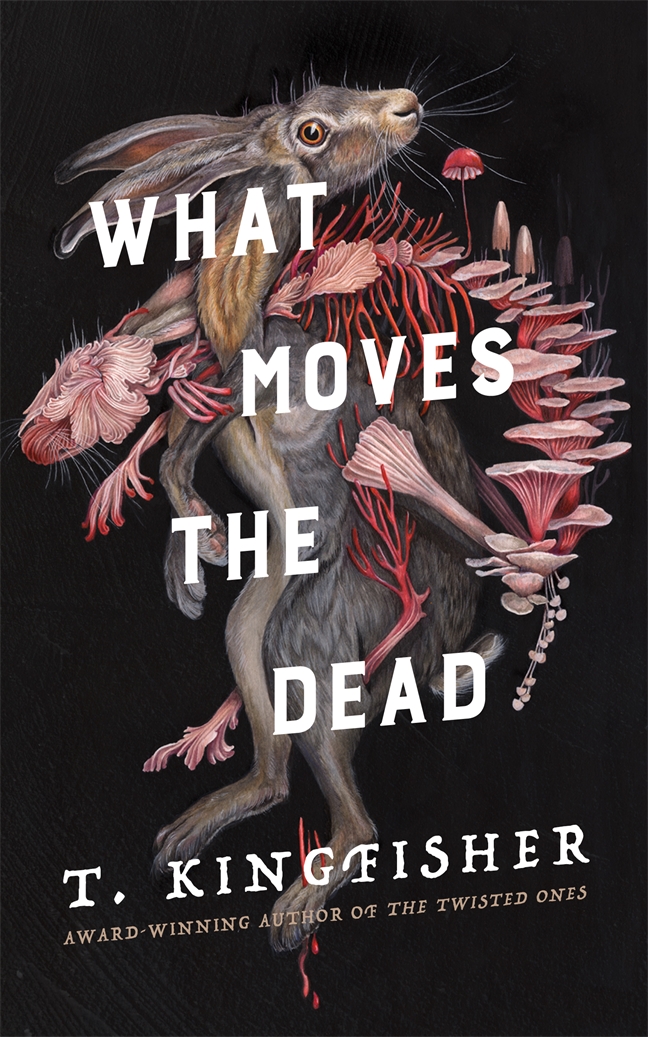
 

1. What Moves the Dead (Sworn Soldier, #1) by T. Kingfisher
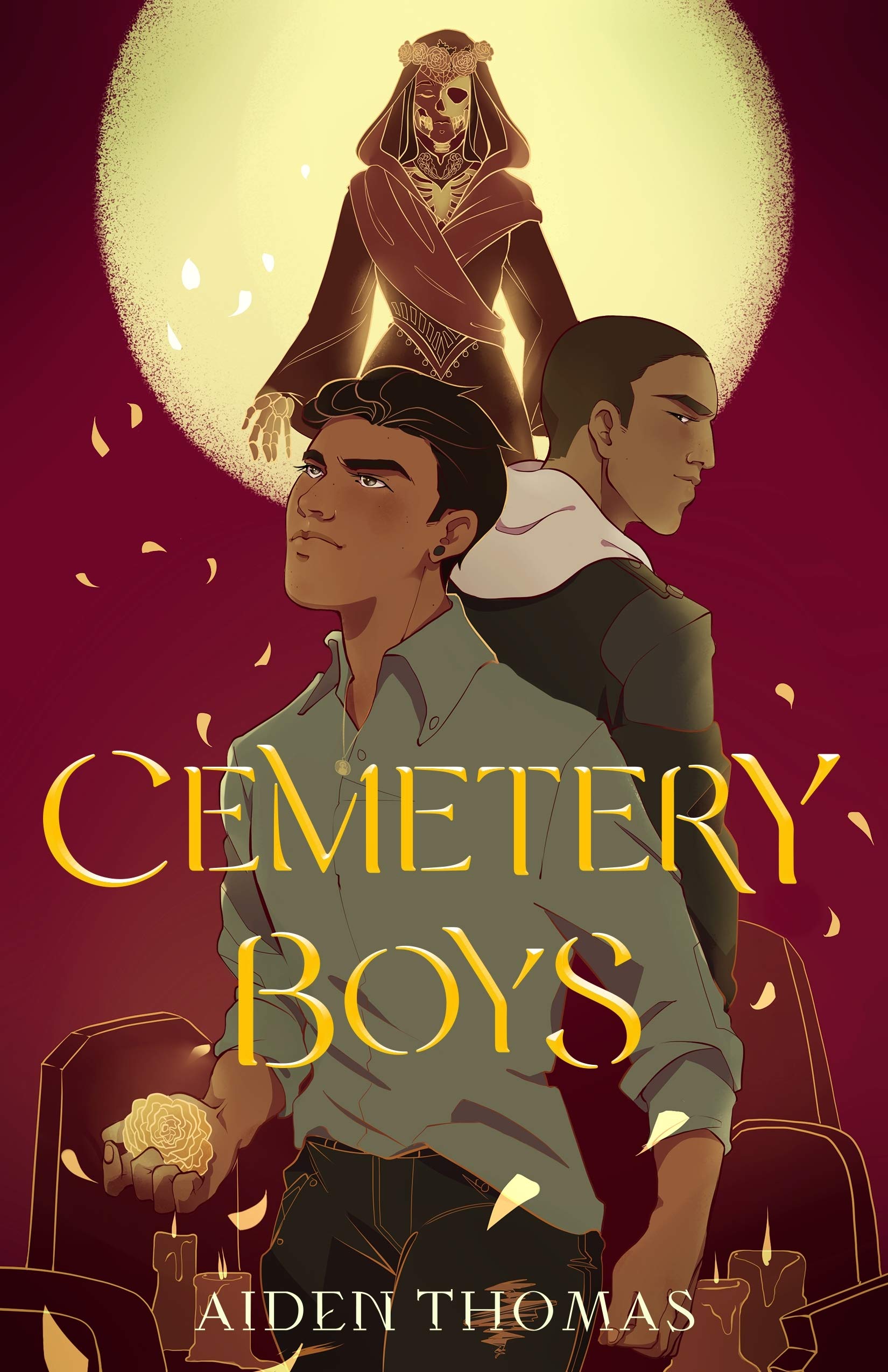


2. Cemetery Boys (Cemetery Boys, #1) by Aiden Thomas

 

3. The Deep by Rivers Solomon
 

4. Pet (Pet, #1) by Akwaeke Emezi
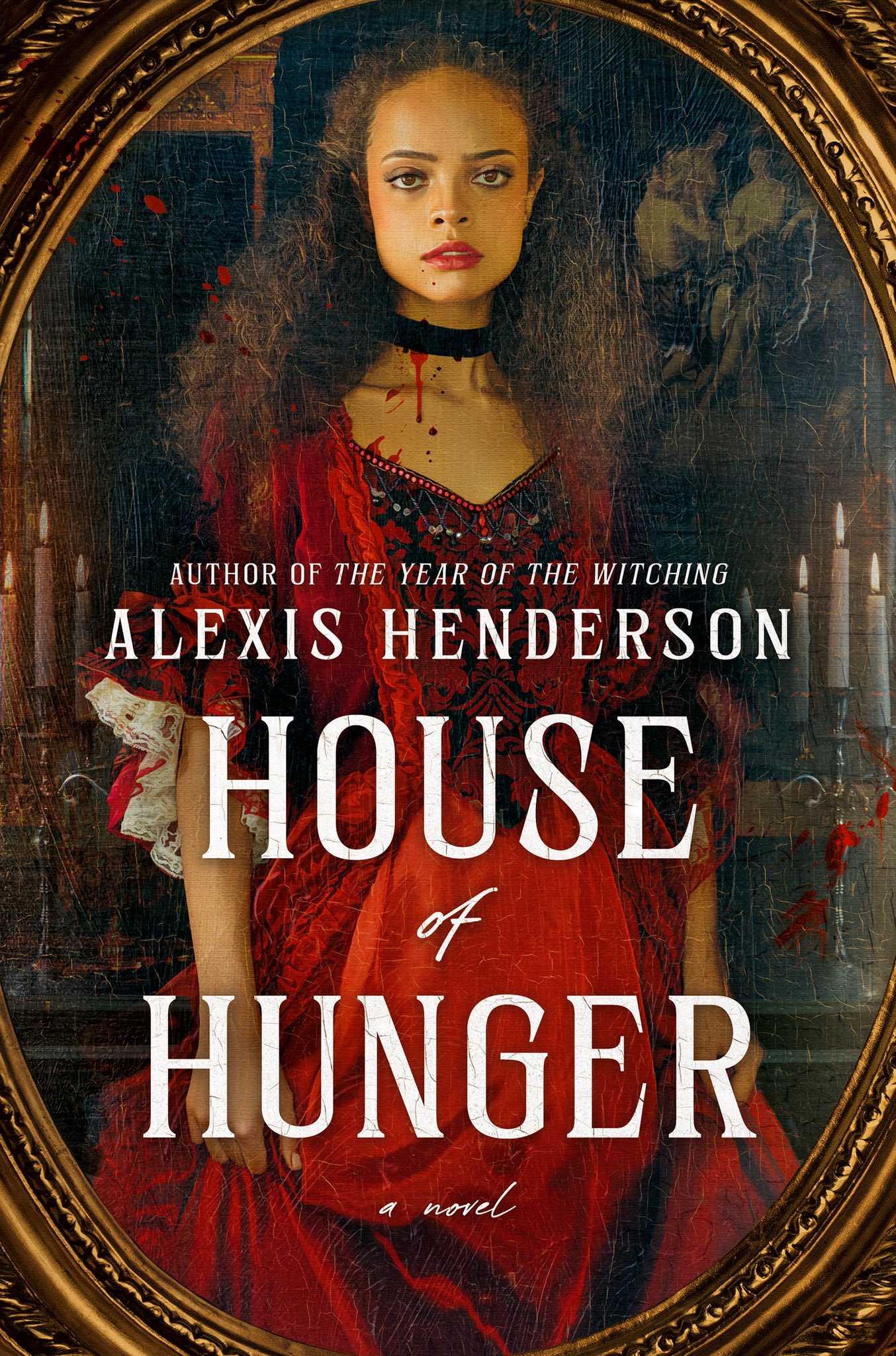
 

5. House of Hunger by Alexis Henderson
 

6. Chlorine by Jade Song
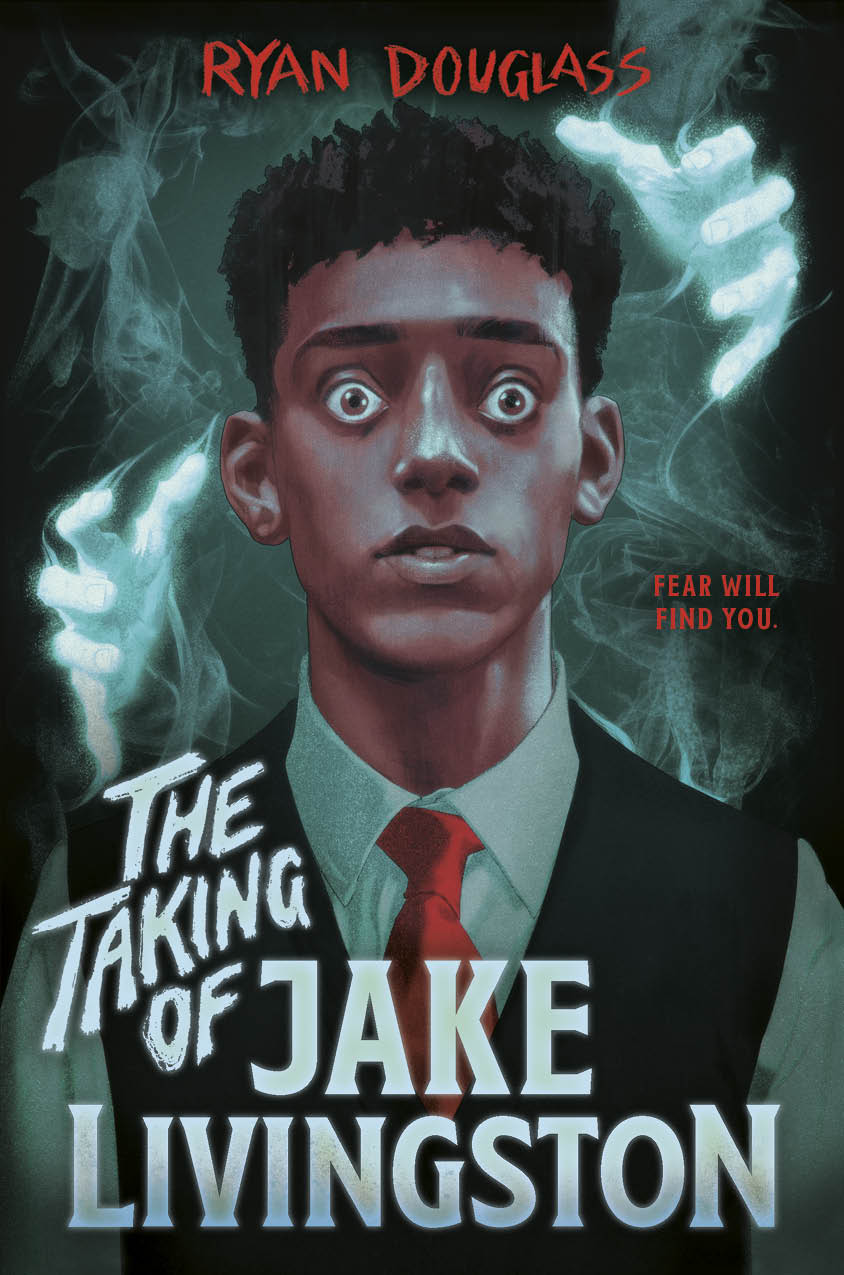
 

7. The Taking of Jake Livingston by Ryan Douglass
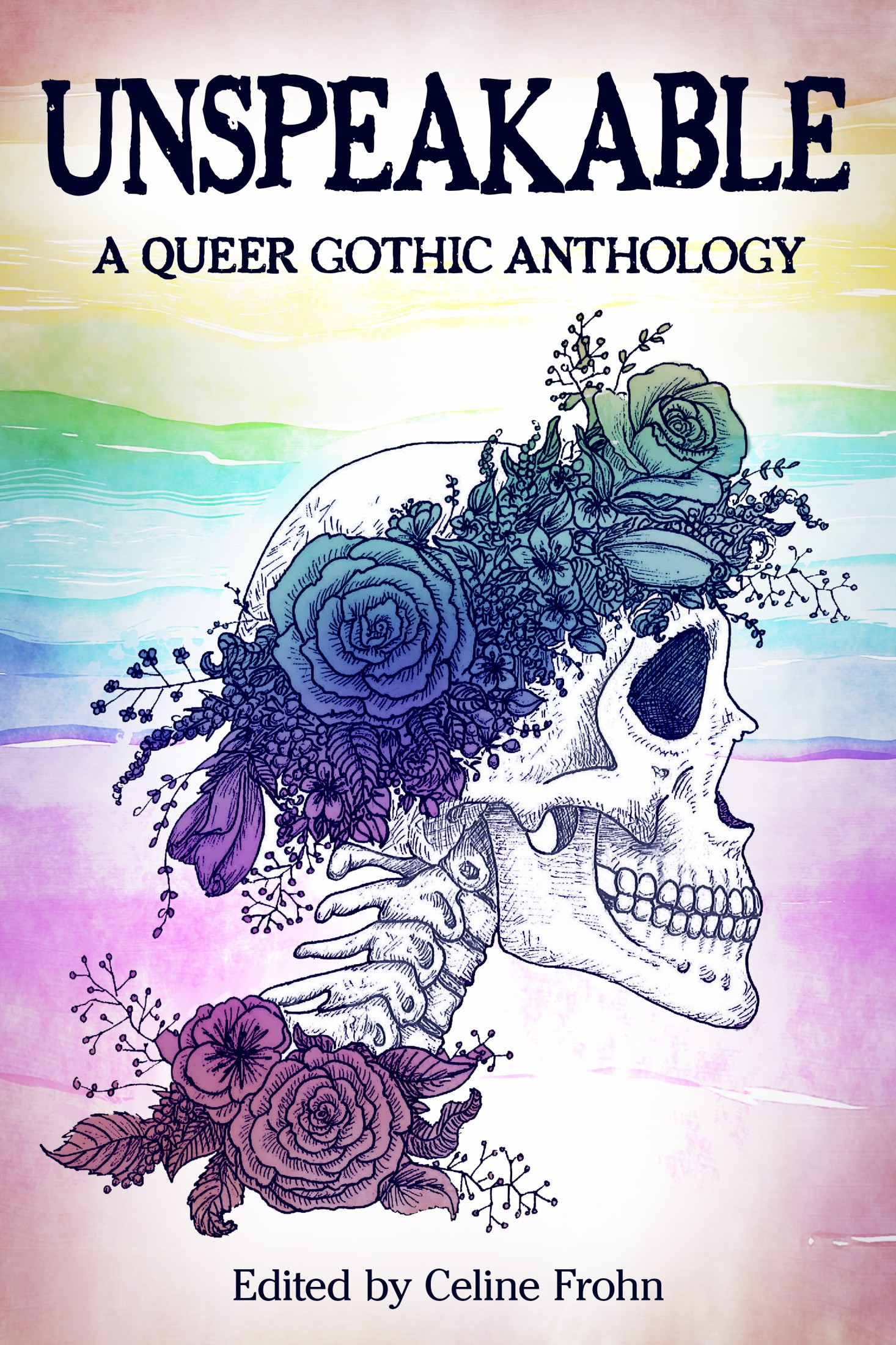
 

8. Unspeakable: A Queer Gothic Anthology by Celine Frohn
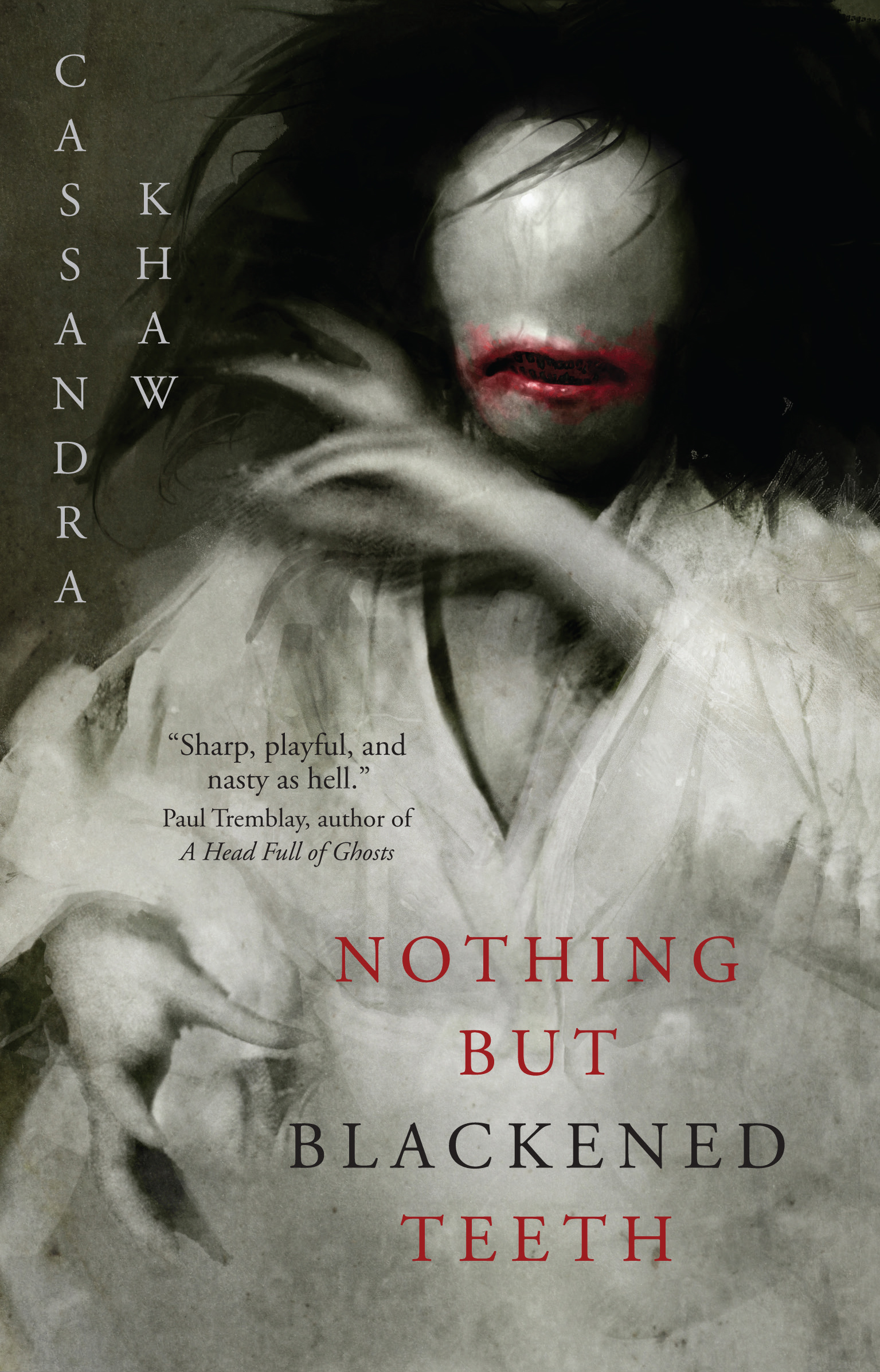
 

9. Nothing But Blackened Teeth by Cassandra Khaw
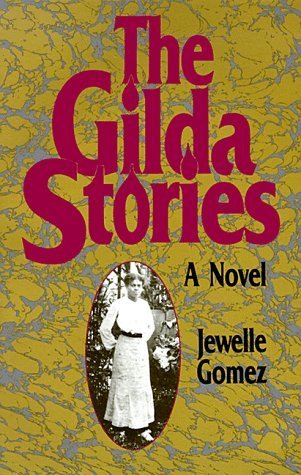
 

10. The Gilda Stories by Jewelle Gomez
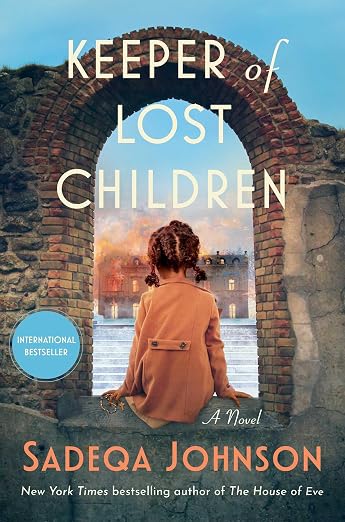
Keeper of Lost Children by Sadeqa Johnson


Keeper of Lost Children by Sadeqa Johnson
Publisher: 37 Ink
Genre: Historical, Mystery/Suspense/Thriller
Rating: Best Book
Reviewed by Ginger

Ethel Gathers, the proud wife of an American Officer, is living in Occupied Germany in the 1950s. After discovering a local orphanage filled with the abandoned mixed-race children of German women and Black American GI’s, Ethel feels compelled to help find these children homes.

Philadelphia born Ozzie Phillips volunteers for the recently desegregated army in 1948, eager to make his mark in the world. While serving in Manheim, Germany, he meets a local woman, Jelka, and the two embark on a relationship that will impact their lives forever.

In 1965 Maryland, Sophia Clark is given an opportunity to attend a prestigious all white boarding school and escape her heartless parents. While at the school, she discovers a secret that upends her world and sends her on a quest to unravel her own identity.

Toggling between the lives of these three individuals, Keeper of Lost Children explores how one woman’s vision will change the course of countless lives, and demonstrates that love in its myriad of forms—familial, parental, and forbidden, even love of self—can be transcendent.

If I had to summarize Keeper of Lost Children, I would describe it as a stunning and phenomenal novel that uncovers a hidden chapter of history.

Keeper of Lost Children is a deeply moving and beautifully written historical fiction novel that gives voice to a neglected part of post-WWII history: the abandoned, mixed-race “brown babies” born in Occupied Germany to local women and Black American GIs. This story not only educates but also lingers in your mind long after you turn the final page.

Sadeqa Johnson expertly weaves together the lives of three distinct individuals across different decades:

Ethel Gathers (1950s, Germany): As the proud wife of a Black American officer, Ethel is compelled to help find homes for the mixed-race orphans she discovers, a mission known as the “Brown Baby Project.” I found this historical detail fascinating.

Osbourne (Ozzie) Phillips (1948, Germany): A volunteer in the newly desegregated army, Ozzie’s forbidden relationship with a local German woman, Jelka, creates a ripple effect across generations. I particularly admire Johnson’s choice to include a male character’s perspective, which added depth to the story. Ozzie’s voice was essential, and it enriched the narrative significantly.

Sophia Clark (1965, Maryland): Sophia is a young woman navigating the challenges of integrating into an all-white boarding school, her journey of self-discovery is triggered by an explosive secret. My two favorite characters were Sophia and Ozzie, as I deeply empathized with them and wanted the best for their futures.

The novel is a hard-to-put-down read, unfolding in a way that grips you. It features smooth writing and strong, relatable character development. Johnson masterfully employs these three perspectives, ensuring that by the end, the reader cares about each character. The book’s greatest strength lies in how the three timelines converge with emotional impact and purpose. The connections between Ethel, Ozzie, and Sophia feel both surprising and incredibly inevitable, demonstrating the historical forces of racism and discrimination, as well as the way others’ decisions can shape or shatter entire families. The ending, which nearly brought me to tears, perfectly ties together the realities of love, loss, and belonging. While the book acknowledges sadness and lost time, its overall tone remains uplifting and hopeful. Keeper of Lost Children is a transcendent story about love in its many forms, familial, parental, and self-love.

This eloquently written novel brings much-needed historical context to light. My only complaint is that I wanted more details about the lives of Walter and Max! Could there be a sequel that covers their story? Keeper of Lost Children is a stunningly phenomenal work of historical fiction that I highly recommend.

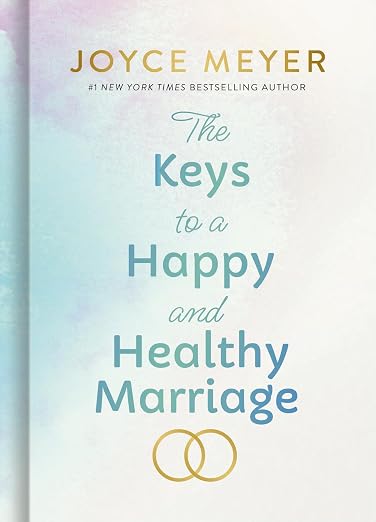
The Keys to a Happy and Healthy Marriage by Joyce Meyer


The Keys to a Happy and Healthy Marriage by Joyce Meyer
Publisher: FaithWords
Genre: Contemporary, Non-Fiction
Rating: 4 Stars
Reviewed by Ginger

Whether you’ve been married for thirty days or thirty years, you want a marriage that outlasts difficult times, grows in love and intimacy, and matches God’s perfect plan for relationships. But our marriages don’t always look the way we thought they would—you may be suffering through a marriage crisis, financial difficulties, or spiritual attacks. Or perhaps you aren’t struggling in your marriage, but you want to make your relationship as strong as it possibly can be. In The Keys to a Happy and Healthy Marriage, you’ll hear from beloved Bible teacher Joyce Meyer about how to unlock powerful truths from God’s Word for you and your marriage, overcome roadblocks to healthy relationships, live in peace with an insecure person, and take the focus off yourself and your spouse and instead look to the Lord.

Along with her lifetime of biblical wisdom, you’ll benefit from Joyce’s practical and personal experience that will help you grow in your marriage. Regardless of what stage of marriage you are in, you can experience hope and courage in God’s promises of healing, restoration, and a life full of His goodness!

Joyce Meyer’s book, The Keys to a Happy and Healthy Marriage, is a motivational and uplifting guide that offers a refreshing, faith-filled perspective on building a strong relationship. While much of the advice may feel familiar, the book serves as a valuable reminder of basic principles that can be easily forgotten in the day-to-day married life.

What makes this book so effective is Meyer’s transparent and down-to-earth writing style. It feels less like a formal lecture and more like a one-on-one counseling session. By openly sharing the ups and downs of her marriage, she makes it clear that no marriage is perfect and that every individual is a work in progress. This relatability enabled me to recognize that the challenges I face are common and that meaningful growth begins from within. The writing is also structured in an easy-to-follow way, with an outline that breaks down topics into digestible sections.

The book’s strength lies in its ability to connect marital advice with spiritual practice. A particularly impactful moment for me was the line: “Christ came as a servant to us, yet we find it hard to serve one another.” This simple yet profound statement highlights a common obstacle and encourages a change in perspective. The book consistently emphasizes that genuine love can only be given when it is first nurtured within oneself.

While not every piece of advice will fit every relationship, the core message of the book is universal. Its foundation is that by seeking guidance from God and striving to embody Christ-like virtues, we can develop patience and understanding for our spouse. This is a great read for both married couples and those preparing for marriage, as it offers a solid foundation for handling challenges and growing together as one.

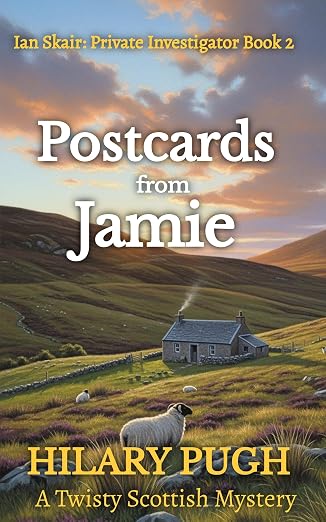
Postcards From Jamie by Hilary Pugh


Postcards From Jamie by Hilary Pugh
Publisher: Housemouse Press
Genre: Contemporary, Mystery/Suspense/Thriller
Rating: 4 stars
Reviewed by Fern

Can Ian and Lottie solve the puzzle of the postcards?

World famous concert pianist Felix Lansman has a collection of postcards sent to him anonymously. He is sure they are from the love of his life, Jamie McLeash. But Jamie disappeared six years ago – the night Felix’s father was murdered. Police failed to make any arrests and the case was closed. Was Jamie a suspect and if so, why is he sending the postcards? Felix wants Ian to find out.

The trail takes Ian all over Scotland and the more he discovers about Jamie the more he is convinced of his innocence. If he finds him, he could help him clear his name. But it soon becomes evident that Ian is not the only one looking for Jamie. He should report his findings to the police, but this could lead to the arrest of an innocent man.

Can he find the real murderer before the murderer finds Jamie?

Ian Skair has just returned home from a week away and is answering a few work related emails about new investigations that he’s been offered. Remembering a phone call from a friend in London prior to his holiday, he returns the call and is drawn into helping to look for a missing person. Can Ian solve this old crime and stop another injustice from happening?

I found this to be an enjoyable Scottish based PI novel, the second in a series and one I really enjoyed. I thought this author’s tone and style was chatty and enjoyable, very easy to pick up. While this is the second book in the series I absolutely feel like readers could easily start here and read it by itself having no previous understanding. The story and indeed even most of the characters stood well by themselves and there isn’t really much history to delve into.

While I do admit the mystery was a little slow to unfold, I enjoyed watching Ian slowly piece everything together. As a regular citizen and private investigator he doesn’t have a bunch of police resources – nor the huge numbers of other officers – on hand and he has to put the puzzle together in a far more normal and rudimentary way. I found this very interesting and quite eagerly turned the pages.

Finding this an easily readable story and a good and solid plot, this was a lovely book and one I really enjoyed. I’ll definitely be purchasing more books by this author. Recommended.

Q&A with Chris Yiangou

Long and Short Reviews welcomes Chris Yiangou, author of WHEN THE NOISE FADES. Chris writes emotionally driven fiction about relationships, memory, loss and the choices that shape ordinary lives.

What advice would you give a new writer just starting out?

Begin with something specific enough to be seen or heard. A person standing outside a familiar door can be more compelling than a page explaining that life is complicated. Let the reader discover the complication through what that person does next. I would also suggest giving a first draft permission to be imperfect. A scene does not have to explain an entire life. Sometimes its job is simply to make one hesitation, one misunderstanding or one small choice feel true.

What, in your opinion, are the most important elements of good writing?

Emotional honesty, attention and restraint. By emotional honesty, I do not mean that characters must understand themselves perfectly. Claire often does not. I mean that their reactions should make sense even when they are contradictory. Attention makes a scene particular: a chipped serving dish is different from a general statement about nostalgia. Restraint leaves readers room to recognise things for themselves. The sentence after a revealing gesture can sometimes explain away the very feeling the gesture has already created.

How do you develop your plot and characters?

A useful way to think about a character is to ask what they believe their job in other people’s lives to be, and what happens when that job changes. Claire is accustomed to anticipating needs. Her daughter leaving home unsettles not just her routine but her understanding of herself. In this book, the practical task of clearing the house gives that emotional question a shape. Objects require decisions, decisions bring relationships into the room, and those relationships make the next apparently simple decision less simple.

What comes first, the plot or characters?

For a story like When the Noise Fades, character is the centre of gravity. Clearing a house is the visible action, but it becomes a story because of what the house means to Claire and the different meanings it has for everyone else. Another person could perform the same task and produce an entirely different book. That does not make plot unimportant. The deadline and the rooms that must be emptied keep the story moving; Claire’s responses make that movement matter.

Tell us something about your newest release that is NOT in the blurb.

There is a serving dish with a blue rim that carries far more emotional weight than its eventual price in a charity shop suggests. To Claire it holds years of family Christmases; to someone else it is a useful dish in good condition. The scene has humour, but it also asks an uncomfortable question about the stories we attach to objects. The same thing can be precious, replaceable and slightly ridiculous, depending on who is holding it. That tension runs through the novella.

How do you come up with the titles to your books?

A title should open a question rather than close the book into an explanation. In When the Noise Fades, the noise can be read as the constant traffic of duties, messages and other people’s needs. When some of it quietens, Claire does not immediately find serenity. She finds questions she has had less room to hear. I like the space in that title: it can suggest relief, loneliness, uncertainty or possibility. Those meanings do not have to cancel one another out.

What is the hardest part about writing for you?

For this kind of fiction, the difficult balance is making a small change meaningful without announcing its importance too loudly. A pause before replying to a message can matter, but the reader needs to understand the habits behind that pause. Too little context and nothing seems to happen; too much explanation and the scene becomes an argument about its own significance. The standard I would aim for is that readers feel the difference before the narration asks them to name it.

What is the most surprising thing you discovered while writing your book?

The surprise worth talking about in this story is how little the value of an object can tell us about the difficulty of parting with it. A cheap mug or damaged key ring can resist every sensible decision. That opens another surprise: people in the same family are not necessarily trying to preserve the same past. Margaret can be ready to leave something that Claire still wants to hold. Neither response has to be dishonest or unloving. Their disagreement makes the memory more human.

How do you do research for your books?

For a contemporary story like this, the useful research questions are often practical and behavioural. How does a house feel when the familiar objects have gone? What can a brief message communicate, and what might an anxious parent imagine around it? What happens to a possession once it enters a charity shop? The standard is not to turn those observations into a report. It is to make the circumstances convincing enough that the reader can concentrate on the people. Technical accuracy and emotional plausibility serve different but complementary purposes.

When writing descriptions of your hero/ine, what feature do you start with?

Behaviour can introduce a person more vividly than an inventory of features. Claire first appears trying to open a familiar door whose small trick her hand remembers. That tells us something about her relationship with the house before we need to know much about her appearance. Physical details still matter, but they can arrive through attention, discomfort or another person’s reaction. The question is not simply what someone looks like. It is what this person, in this moment, would notice about themselves or someone else.

Are you a plotter or a pantser?

I would rather think of structure and freedom as partners than competing identities. A story needs enough direction for its choices to have consequences, but a character also needs room to respond in a way that is not merely convenient for an outline. In this novella, the house-clearing task provides a clear external structure. Within it, conversations and objects can shift the emotional direction. The useful test is whether a scene belongs to the people in it as well as to the plan for the book.

Ebook or print? And why?

They make different kinds of reading possible, and I would not want to prescribe a single right way to encounter a story. An ebook can make it easy to carry a book and adjust the text to a comfortable size. Print offers the physical experience of a particular object that stays with you. That is an especially interesting distinction for a novella concerned with possessions and memory. What matters most to me in this context is not the format but whether the reader finds a way into Claire’s world.

How do you keep your writing different from all the others that write in this particular genre?

I would not claim that the book occupies a territory no one else has explored. Family, identity and change belong to many writers. The distinction has to come through the particular people and the attention given to their contradictions. Claire can be capable and lost, loving and intrusive, amused by herself and genuinely upset. Her life is not resolved by a conventional new-romance ending. The quieter question is whether she can make room for herself without treating the people she loves as obstacles to her freedom.

Tell us about a favorite character from a book.

From this novella, Margaret is a character worth spending time with. Her practicality is funny, but it also unsettles Claire’s expectations about what leaving a family home should look like. Claire anticipates a large emotional moment; Margaret may instead worry about the boiler or the placement of cutlery. That does not mean she has no feelings. It means her daughter cannot always read them through the script she has prepared. Margaret helps keep the story from belonging to only one generation’s version of events.

Do you use a pen name? If so, how did you come up with it?

I publish as Chris Yiangou, and that is the public author identity I use for my books and conversations with readers. I prefer to keep the personal background of the name private rather than make it part of the story around the books. The distinction gives the work room to stand on its own. Readers do not need access to a writer’s private family or professional life to form a meaningful relationship with the characters. I would rather invite attention towards the fiction itself.

If you were to write a series of novels, what would it be about?

Hypothetically, I would be interested in connected novels in which a place or relationship passes between different people’s perspectives. A person who appears difficult in one book might become the centre of another, and the reader would have to reconsider what they thought they knew. The connection would be emotional rather than a promise of larger and larger incidents. A shared history can support very different stories. That is a possible direction to imagine, not an announcement of a series already planned or underway.

What are you passionate about these days?

The territory this book opens is the value of ordinary lives as material for fiction. A daughter leaving home, a friendship revisited or an old house being emptied may not look extraordinary from the outside. From within a life, each can alter the way a person understands what comes next. I am interested in giving those experiences attention without insisting that every difficult moment become a lesson. Affection, humour and uncertainty can occupy the same scene. The story does not have to choose only one of them.

What is something you’d like to accomplish in your writing career next year?

A meaningful aim would be to build more genuine connections between the work and its readers. That could mean a thoughtful review, a reading-group discussion or a conversation about a character whose choices were not easy to agree with. I would rather frame that as a direction than make a public promise about an unannounced release or a particular number of sales. Reaching more people matters, but so does allowing them to respond independently, including in ways the author did not anticipate.

Could you ever co-author a book with someone? If so, who would you choose, and what would you write?

In principle, collaboration could be interesting where the difference between two perspectives becomes a strength of the book. A story told through people who remember the same event differently would be one possible starting point. I would not name a collaborator or imply that a project exists when this is only a hypothetical question. The important fit would be a shared commitment to the characters and enough openness to let a scene improve through disagreement. Two names on a cover should reflect a genuinely shared work.

At forty-seven, Claire Bennett knows how to be useful. Knowing who she is without that constant usefulness is harder. Her daughter has left for university, her marriage has ended, and her mother has moved out of the seaside house where Claire grew up. Now Claire must sort through what remains.
There are boxes to fill, cupboards to empty and possessions that refuse to stay ordinary. A familiar mug, a childhood key ring and the return of an old friend reopen questions she has kept beneath the practical business of living.

When the Noise Fades is a quiet, character-driven novella about family, memory, friendship and the uneasy freedom of change. What do we keep when the roles that once defined us begin to fall away?

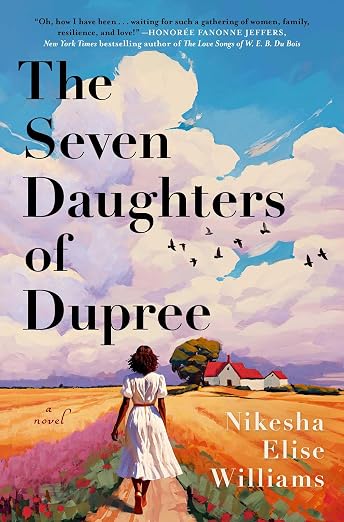
The Seven Daughters of Dupree by Nikesha Elise Williams


The Seven Daughters of Dupree by Nikesha Elise Williams
Publisher: Gallery/Scout Press
Genre: Contemporary, Historical, Mystery/Suspense/Thriller
Rating: 3 stars
Reviewed by Ginger

It’s 1995, and fourteen-year-old Tati is determined to uncover the identity of her father. But her mother, Nadia, refuses to tell her, and her grandmother Gladys is just as determined to keep the past buried—including the truth about why she fled Land’s End, Alabama, in 1953.

Unbeknownst to Tati, the family has been cursed with a mysterious malediction: the Dupree women will only ever give birth to daughters. With each daughter’s arrival, the course of her mother’s life is irrevocably changed. In 1917, Jubi’s attempt to pass for white ends abruptly when she gives birth to Ruby. In 1934, Ruby’s fierce desire to be loved changes the course of the family once again. And in 1980, a single night alters Nadia’s future forever.

The Seven Daughters of Dupree reveals how trauma, love, and hard-won resilience reverberate from one generation to the next. As Tati pieces together the truth about her family—and herself—she discovers that the Dupree women’s ultimate inheritance may not be the curse that has followed them for generations, but the strength that has carried them through.

The Seven Daughters of Dupree is an ambitious, beautifully written novel that traces a century of history, pain, and resilience across seven generations of Black women. Author Nikesha Elise Williams masterfully handles the structure, creating a fluid narrative that moves seamlessly from 1917 to the mid-1990s.

The novel starts with a strong hook: fourteen-year-old Tati’s quest to uncover her father’s identity. This initial suspense effectively drives the plot. Williams excels at defining a large cast and interweaving their stories, making the complex timeline easy to follow. Each Dupree woman’s history marked by difficult choices and survival, is genuinely interesting, illustrating how generational trauma and familial bonds tie their lives together. The Dupree women, bound by a mysterious legacy that ensures only daughters are born. The characters’ raw, heartbreaking lives are depicted with unflinching clarity.

The novel starts strong and has a good structure, but it does not reach its full potential. My main frustration, which affects the rating, is the secret at the heart of the story. The book builds a lot of suspense, but the ending feels disappointing. The uncovering of a long-hidden family truth does not have the impact that the first 300 pages promised. It is sad that the Dupree women lived such hard lives. Each woman has flaws, and there were times when I did not agree with their choices. I felt sorry for Tati because I understand wanting to protect your child. However, I think there was a better way for Nadia to tell Tati about her father. Nadia clearly has not dealt with her own pain and still feels hurt. I also did not understand why Evangeline treated Ruby poorly and refused to tell her about her mother.

While the book does a great job showing the relationships between the women, it doesn’t explore important themes like secrets and intergenerational trauma deeply. These themes are often stated but not fully examined, which left me wanting a stronger conclusion.

The Seven Daughters of Dupree has strong structure and well-developed characters, making it a good read for its focus on women’s strength across generations. However, the less than satisfying central mystery stops it from reaching the potential that its strong premise and beautiful writing promised.

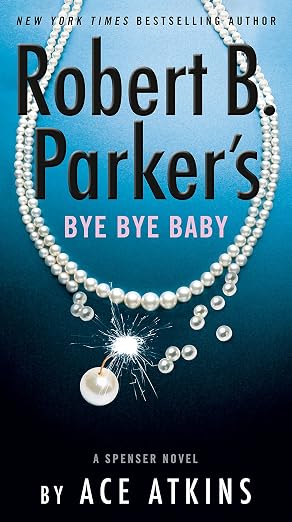
Bye Bye Baby by Ace Atkins


Bye Bye Baby by Ace Atkins
Publisher: G. P. Putman’s Sons
Genre: Contemporary, Mystery/Suspense/Thriller
Rating: 4 stars
Reviewed by Fern

Carolina Garcia-Ramirez is a rising star in national politics, taking on the establishment with her progressive agenda. Tough, outspoken, and driven, the young congresswoman has ignited a new conversation in Boston about race, poverty, health care, and the environment. Now facing her second campaign, she finds herself not only fighting a tight primary with an old guard challenger but also contending with numerous death threats coming from hundreds of suspects.

When her chief of staff reaches out to Spenser for security and help finding the culprits of what he believes to be the most credible threats, Garcia-Ramirez is less than thrilled. Since her first grassroots run, she’s used to the antipathy and intimidation women of color often face when seeking power. To her, it’s all noise. But it turns out an FBI agent disagrees, warning Spenser that Garcia-Ramirez might be in real danger this time.

It doesn’t take long for Spenser to cross paths with an extremist group called The Minutemen, led by a wealthy Harvard grad named Bishop Graves. Although Graves is a social media sensation, pushing an agenda of white supremacy and toxic masculinity, he denies he’s behind the attacks. As the primary nears and threats become a deadly plot, it’s up to Spenser, Hawk, and a surprise trusted ally to ensure the congresswoman is safe. This is Spenser doing what he does best, living by a personal code and moral compass that can’t ever be broken.

Spenser is hired by political candidate Carolina Garcia-Ramirez’s team to keep her safe when some of her more colorful threatening letters appear to be getting out of hand. Bur Carolina isn’t keen for Spenser’s protection, and he quickly realizes that there are more than a few people who don’t want to see Carolina and her progressive views have any sort of success. Can Spenser keep up with everything being thrown at him?

Spenser is a long running series and while I feel some of the older style of this hard boiled detective series has stayed true to Robert Parker’s original script, I do feel that Ace Atkins has been able to realistically and sensitively added some far more modern elements into the story. The fact that this book blends those older and newer worlds so well together is a big part of the reason I enjoyed this so much.

On the one hand the plotline of “hard boiled detective protects mouthy politician” is a tried and true older style of storyline. And both Spenser and the author rise wonderfully to this occasion. But that would be over-simplifying the plot and story I feel. The current political climate is possibly more polarized than ever before and this story really highlights just how volatile this situation is. The extremes many people feel and are experiencing makes compelling reading to my mind – and the opinions that used to seem like hyperbole and caricatures really do ring as rather honest and current to my mind.

All this is rolled up very neatly into this book along with a healthy dose of snappy come backs and sarcasm which is par for the course with Spenser. But I do feel the author has managed to walk a very fine line between keeping much of the old Spenser novels and feeling alive while thoroughly modernizing it and keeping it current with today’s climate and experiences.

Readers who like a slightly more hard-boiled detective/PI story along with plenty of witty replies and banter between the characters should find this to be as good a read as I did. An enjoyable and well plotted book I shall happily read again in the future.

What Scares Me the Most as an Author by Dale Dallman – Guest Blog and Giveaway

This post is part of a virtual book tour organized by Goddess Fish Promotions. Dale Dallman will be awarding a $15 Amazon/BN gift card to a randomly drawn winner. Click on the tour banner to see the other stops on the tour.

As an author, what scares me the most is…

What scares me most about writing is putting the truth on paper and knowing that once it is published, I cannot stand beside every reader and explain what I meant.

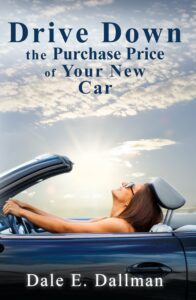
That was especially true when I wrote Drive Down the Purchase Price of Your New Car. I spent years selling cars and managing dealerships. The business supported my livelihood, and I worked with many good people. But I also saw how easily a customer could get confused, pressured, or distracted from what a vehicle would actually cost.

Writing about those things meant opening a door some people in the business would probably prefer to keep closed.
There is a certain comfort in telling stories across a kitchen table. You can see someone’s expression, answer a question, or straighten out a misunderstanding. A book travels without you. People can question your motives, disagree with your experiences, or decide they do not like what you have to say.

That is uncomfortable.

I also worry about whether I have explained something clearly enough to help. A reader may be preparing to make one of the largest purchases of their life. If I am asking that person to trust my experience, I owe them plain language and useful information.

Still, the fear of criticism cannot be the deciding factor. I wrote this book because buyers deserve to understand the deal before they sign it.

If someone walks into a dealership better prepared, asks the right questions, and leaves feeling confident about their purchase, then putting my name on those pages was worth the worry.

Buying a car. Just those three words can conjure up a whole swirl of emotions.

For some, it’s the thrill of a sleek new model—the scent of fresh upholstery and the promise of open roads. For others, it’s a daunting odyssey filled with jargon, pressure, and the fear of an expensive mistake.

Wherever you fall, you’re reading this because buying a car is a significant life event.

We’ve all stood on the lot, squinting at price tags, decoding financing offers, and feeling the push to “act now.” It’s easy to feel outmatched—to wish for an expert at your side. Consider this book that expert: your trusted co-pilot on a journey that’s both exciting and rewarding.

This isn’t just a checklist—it’s a philosophy. You’ll learn to approach car buying with clarity and confidence, understand financing, master the test drive, and negotiate with purpose, ensuring that you walk away feeling like a winner.

Whether you’re a first-time buyer, upgrading, or simply overwhelmed by options, this book is for you.

So, buckle up. Get ready to embark on a journey that will not only lead you to the perfect vehicle but will also leave you feeling empowered, informed, and ready to hit the road with a smile.

Happy driving!

Enjoy an Excerpt

Now, as you choose a vehicle, you will be brought into the dealership, ushered into a cubicle, and do the cooldown. (A way to use the emotions from the showroom to sell.)

The full retail price allows the dealer a big markup. You can challenge it! The length of the contract (how many months), you can challenge it. The rate of interest, you can challenge it.

If you look closely at the sticker in the window, you will find that, in most instances, it lists several dealer-added “EXTRAS.” They vary in terms of name. Some call it “added items” that are automatically included with the vehicle, like mud flaps, color protector, seat protector, and other extras. Remember, all these items are hugely marked up. They try to get you to believe these can’t be taken off!

I love this one!! (ADP)!

It ranges from a couple of thousand dollars to several thousand dollars! ADP equals “Additional Dealer Profit.” Yep! They have the audacity to want the normal markup, the extras for the add-ons and a pie-in-the-sky “ADDITIONAL DEALER PROFIT!!”

Now, look closely: I visited a local dealer before I added this new forward. It wasn’t called (ADP), they have a soft name for it!! Just remember to look at ALL the items the dealer adds to the factory-issued Original Retail window sticker. ALL those things are ADDITIONAL DEALER PROFIT!!! Like I point out in the book. Challenging or flat-out refusing to deal with these items knocks the dealer off their game plan. It causes confusion, which, if you stick to your guns, SAVES YOU MONEY!

About the Author: Dale Dallman worked in the CAR business for decades. He started at Frontier Chevrolet in Billings, Montana. He worked the hardest part of the dealership, the USED CAR LOT! Frontier Chevrolet had 37 salespeople after it was bought out and renamed Denny Menholt Chevrolet. Dallman was #1 in sales from the beginning. Dallman invented the tool that made him famous, “THE BIRD DOG BUCK.” It was a copy of a $100 bill, with his picture on it. It had a section for the previous buyer to print their name, and for the potential new buyer to print their name. The idea was to send ten copies to every person who bought a car from him. It asked the buyer to give one to every person they thought might be interested in buying a car. The instructions printed on the fake bill were “Give this to a potential buyer. If they present it to the dealership and ask for Dallman, you will receive a $25 “Bird Dog” check! The potential buyer will get a $500 discount on their purchase.” It got to the point that he didn’t even need to stand at the door and wait for new walk-ins. He had a secretary who handled his appointments!
Dallman then went out to the West Coast. Here, he worked on new and used cars for a Chevrolet dealer in the car village in Olympia, Washington. He and his best friend (both from Billings) worked there. The idea for a book started there, but Dallman needed a broader cross-section of the car business, so he moved to Gilchrist Buick in Tacoma, Washington, to reach a different class of buyers. He did so well that Buick Motor Division had him do training videos that they used internally in National training.

Dallman decided to go to Germany on a contract with TOYOTA WORLD. The job was working the locations on the military bases where the military could buy cars and use them in-country, order one to be picked up at a dealer back in the states when they rotated home.

Dallman now does consultant work for buyers. He has instructed sales classes and trained both BUYERS and the salesmen, trying to get your money! Dallman has advised many dealers and salespeople. But he loves helping buyers outsmart the Dealers more!

Website | Facebook | Instagram | Goodreads | BookBub | Amazon Author Page

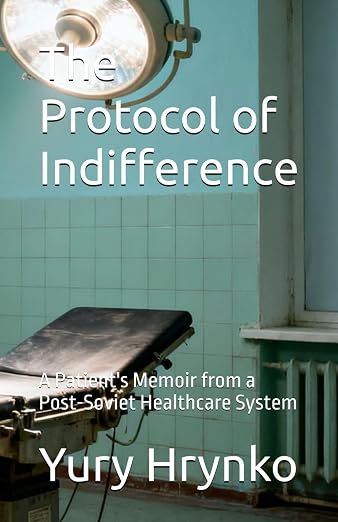
The Protocol of Indifference – A Patient’s Memoir from a Post-Soviet Healthcare System by Yury Hrynko


The Protocol of Indifference – A Patient’s Memoir from a Post-Soviet Healthcare System by Yury Hrynko
Publisher: Self-published
Genre: Non-Fiction, Contemporary
Rating: 5 Stars
Reviewed by Astilbe

A bilateral tonsillectomy was supposed to be a step toward better health. Instead, Yury Hrynko woke up in intensive care unable to see, unable to speak, and fighting for every breath.

After regaining consciousness, he found himself facing a terrifying reality: unbearable pain, the sudden loss of his vision, the inability to communicate, and a desperate struggle to survive.

The Protocol of Indifference is a medical memoir about survival, resilience, and the human cost of traumatic complications after a medical procedure. Told through the voices of Yury and those closest to him—including his wife and parents—this book follows one family’s journey through a year of uncertainty, fear, determination, and hope.

Following complications that occurred during and after the procedure, Yury faced a cascade of life-changing consequences: a loss of vision that gradually returned over time, nerve damage, loss of his voice, severe neurological complications, and a dangerous infection that threatened his recovery. For months, he had to relearn basic abilities, including speaking, while adapting to a body and life that had suddenly changed.

Yet the greatest challenge was not only physical recovery—it was being heard when his condition was repeatedly underestimated.

From the frightening moments immediately after the procedure, to the days when his symptoms were dismissed, and finally to the doctor who recognized the seriousness of his condition and called for emergency help, this memoir presents a firsthand account of a patient’s struggle to survive, recover, and reclaim his life.

Set within a post-Soviet healthcare system, The Protocol of Indifference is not a story about blaming individuals. It is a story about human vulnerability, family support, resilience, and the importance of compassion in medicine.

Medical mistreatment is never acceptable.

I was flabbergasted by Mr. Hrynko’s experiences with the medical community both as a child when he had his adenoids and part of his tonsils removed without the use of any anesthesia as well as how he was treated as an adult after he had multiple infections of his remaining tonsils and was advised to have a tonsillectomy for health reasons. Untreated pain can be quite traumatic, especially when it’s this severe, and he shared his memories of these surgeries openly and in great detail.

Some of the most memorable portions of this book for me were the ones that explored how people who have disabilities, chronic illnesses, or other medical conditions can struggle to convince the doctors and nurses who are treating them to take their feedback seriously. This is unfortunately far more common than the general public may think it is, and it can cause long delays in treatment and diagnoses that aren’t always accurate. What made this particular case even worse is that the author’s physical difficulties with talking, eating, drinking fluids, and swallowing among a long list of other problems were caused by the same surgery that was supposed to cure him!

What ultimately encouraged me to give this a full five-star rating were the sections written by the author’s wife and parents. Family support is so important for people who are going through health issues, but not everyone necessarily thinks to ask the patient’s support system how they’re feeling during those moments. I loved learning how everyone worked together to make the best of a terrible situation, especially when it came to the soups they made and the daily visits they arranged. Little things like these can be so meaningful and life-saving, especially in a country where a hospital has such limited resources.

The Protocol of Indifference kept me perched on the edge of my seat from the first sentence to the last one. I can’t recommend it highly enough.

Wednesday Weekly Blogging Challenge for October 21, 2026

Each Wednesday, Long and Short Reviews hosts a weekly “blog hop”. For more details on how to participate, please click here.

Reread books? Rewatch movies? Why or why not?