Life is Lifey by Sarah Shahi


Life is Lifey by Sarah Shahi
Publisher: Regalo Press
Genre: Non-Fiction, Memoir, Contemporary, Self-Help
Rating: 4 stars
Reviewed by Lavender

Equal parts pep talk, reality check, and cocktail party confessional, Life is Lifey is a humorous and inspirational guide to unapologetically and authentically figuring out life’s messy middle.

Join Sarah Shahi as she cannonballs into the magical chaos of life—marriage, divorce, kids, career pivots, and everything in between. Like your brutally honest big sister (with a glass of wine in hand, wearing yesterday’s eye liner), Life is Lifey is an encyclopedia on “how to adult,” filled with personal stories that will have you lol-ing and advice that’s like a warm hug followed by a swift kick in the pants.

This isn’t about living your “best life” (so 2015). This is about shutting out the noise—self-doubt, partners, or that one mom from the PTA—and tapping into the voice within that’s 100 percent, unapologetically you.

Whether you’re limping out of a messy breakup or just trying to survive Mondays, Life is Lifey is the permission slip you didn’t know you needed to start making choices that scream your truth.

Many know Sarah as the lead in the global sensation Sex/Life, where she became the poster child for unhappy women everywhere. As her personal life started imitating art, her inbox lit up with questions from women around the world: How did you have the strength to get a divorce? What do you do when you’re questioning everything? How do you pick up the pieces of a broken heart and start over with kids clinging to your legs and peanut butter in your hair?

This book is her answer. Part memoir, part guide, it’s the story of endings and beginnings, of finding yourself when the script you’ve been following no longer fits. Life is Lifey invites you to tap into your authentic self and start living a life that’s bigger, bolder, and unapologetically yours. A cocktail of hard truths, big laughs, and unfiltered honesty, Life is Lifey will help you live a life that’s unapologetically you.

Equal parts pep talk, reality check, and cocktail party confessional, Life is Lifey is a humorous and inspirational guide to unapologetically and authentically figuring out life’s messy middle.

Join Sarah Shahi as she shoots into the chaos of life—marriage, divorce, kids, career pivots, and everything in between. Like your brutally honest big sister (with a glass of wine in hand, wearing yesterday’s eye liner), Life is Lifey is an encyclopedia on “how to adult,” filled with personal stories that will have you laughing (or cringing) and advice that’s like a warm hug followed by a swift kick in the pants.

This isn’t about living your “best life” (so 2015). This is about shutting out the noise—self-doubt, partners, or that one mom from the PTA—and tapping into the voice within that’s 100 percent, unapologetically you.

Whether you’re coming out of a messy breakup or just trying to survive Mondays, Life is Lifey is the permission you didn’t know you needed to start making choices that scream your truth.

Many know Sarah as the lead in the global sensation Sex/Life, where she became the poster child for unhappy women everywhere. As her personal life started imitating art, her inbox lit up with questions from women around the world: How did you have the strength to get a divorce? What do you do when you’re questioning everything? How do you pick up the pieces of a broken heart and start over with kids clinging to your legs and peanut butter in your hair?

This book is her answer. Part memoir, part guide, it’s the story of endings and beginnings, of finding yourself when the script you’ve been following no longer fits. Life is Lifey invites you to tap into your authentic self and start living a life that’s bigger, bolder, and unapologetically yours. A cocktail of hard truths, big laughs, and unfiltered honesty, Life is Lifey will help you live a life that’s unapologetically you. It is filled with truth and profanity. There is a lot to consider here.

Becoming A Mom – An IVF Story by Liz Jauvtis


Becoming A Mom – An IVF Story by Liz Jauvtis
Publisher: The Book Publishing Pros
Genre: Non-Fiction, Contemporary
Rating: 3 Stars
Reviewed by Astilbe

This raw and intimate memoir follows Liz Jauvtis through her seven-year fertility journey, multiple IVF cycles, three pregnancies, and the unwanted realities of motherhood at 35 during the global pandemic. Liz brings an intimate and personal perspective to universal experiences. Her story dismantles the idealized version of motherhood perpetuated by social media, instead offering authentic insights into the physical, emotional, and birth trauma, sleep deprivation, social pressure, and the identity shift from career woman to stay-at-home mother. A compelling narrative for anyone touched by fertility struggles or modern parenting challenges.

Fertility isn’t guaranteed for anyone.

It was nice to see so many acronyms and other terms related to fertility and reproduction described in the footnotes, especially in the first several chapters. Not every reader is necessarily going to be aware of what all of these things mean, but understanding them was critical in order to visualize everything this couple needed to go through in order to have kids together. The explanation of how PCOS (polycystic ovarian syndrome) can affect not only the ovaries but many other parts of the human body as well was especially interesting.

I found myself wishing for more detailed descriptions of every step of Ms. Jauvtis’ journey to having biological children. This could have been separated into a trilogy, one for her infertility treatments like IVF and the toll they took on her mental and physical health, a second title about experiencing anxious pregnancies after treatments have been successful, and a final instalment about parenting during the Covid-19 pandemic. While I understood why all three topics were combined into the same book given how rapidly everything happened in the author’s life, it also meant that this was something I’d be a little hesitant to recommend to a friend who was currently experiencing infertility or pregnancy loss because of how many pages were dedicated to pregnancy and parenting. Not everyone who pursues treatment is successful, after all, and that’s something that could make it trickier to determine who the right audience is for this piece.

Some of the most memorable sections for me were the ones that acknowledged the many controversial topics surrounding fertility treatments, pregnancy and birth care, and parenting choices in the first few years of a child’s life. Ms. Jauvtis’ open-minded approach to these subjects was refreshing, and she came across to me as someone who was willing to listen to other points of view regardless of the decisions she and her husband made for their own family. I was especially interested in how she responded to the people in her life who had moral qualms about IVF and the possibility of using donor gametes given that she and her spouse needed medical help in order to have a baby. It takes maturity to remain so level-headed about a subject matter that is this important to someone, and I admired how she handled those difficult conversations.

Becoming A Mom – An IVF Story was thought provoking.

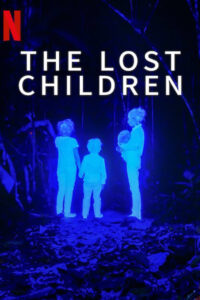
Movie Review: Lead Children


Lead Children
Writers: Michal Jedryka and Jakub Korolczuk
Director: Maciej Pieprzyca
Starring: Joanna Kulig, Agata Kulesza, Kinga Preis, and Michal Zurawski
Publisher: Netflix
Genre: Non-Fiction, Historical
Rating: 4 Stars (8 Stars on IMDB)
Reviewed by Astilbe

A young doctor uncovers lead poisoning in children near a steelworks. Despite state opposition, she strives to treat the sick kids.

Success is never guaranteed.

I appreciated how much time was spent exploring the effects of lead poisoning and why so many people in the 1970s were unaware of how it can disable and even kill children. This wasn’t something I knew much about before watching this series, but knowing the stakes the inhabitants of Silesia were facing was critical in order to understand why Dr. Wadowska-Król’s campaign was of utmost importance. Some of the best scenes in my opinion were the ones showing children playing in the dirt, going swimming, eating vegetables from their mother’s gardens, or doing other innocent things that took on a much darker meaning once the audience understood how polluted this community was and the many ways lead can enter the human body.

There were times when I found this mini-series to be a little uneven in its pacing and repetitive, especially when it came to Dr. Wadowska-Król’s conflicts with various Communist party members about how much information the general public should have about how lead poisoning was affecting the children of Silesia. These scenes were powerful the first few times but began to lose their effectiveness a little for this viewer by the time I reached the last two episodes and had seen them play out multiple times.

Understanding the culture of this time and place was necessary in order for the later episodes to make the most sense. Silesia was a complex town that relied on everyone following orders and not asking questions about what they were instructed to do. Normally, of course, this can be a good thing, but there are cases when obedience can have tragic unintended consequences when those in power may not have the best interests of the common person at heart. The scenes that dug into the discrepancies between what the leaders said and what they actually did behind closed doors were among the most powerful ones for me, and they were a big part of what kept me going despite my gentle critique of certain scenes.

Lead Children was an illuminating look at a chapter of history I’d never heard of before.

All The Beauty in the World by Patrick Bringley


All The Beauty in the World by Patrick Bringley
Publisher: Simon & Schuster
Genre: Non-Fiction, Memoir
Rating: 5 stars
Reviewed by Snowdrop

Millions of people climb the grand marble staircase to visit the Metropolitan Museum of Art every year. But only a select few have unrestricted access to every nook and cranny. They’re the guards who roam unobtrusively in dark blue suits, keeping a watchful eye on the two million square foot treasure house. Caught up in his glamourous fledgling career at The New Yorker, Patrick Bringley never thought that he’d be one of them. Then his older brother was diagnosed with fatal cancer and he found himself needing to escape the mundane clamor of daily life. So he quit The New Yorker and sought solace in the most beautiful place he knew.

To his surprise and your delight, this temporary refuge becomes Bringley’s home away from home for a decade. We follow him as he guards delicate treasures from Egypt to Rome, strolls the labyrinths beneath the galleries, wears out nine pairs of company shoes, and marvels at the beautiful works in his care. Bringley enters the museum as a ghost, silent and almost invisible, but soon finds his voice and his tribe: the artworks and their creators and the lively subculture of museum guards—a gorgeous mosaic of artists, musicians, blue-collar stalwarts, immigrants, cutups, and dreamers. As his bonds with his colleagues and the art grow, he comes to understand how fortunate he is to be walled off in this little world, and how much it resembles the best aspects of the larger world to which he gradually, gratefully returns.

I thought I might have chosen a book to read that was a somewhat yawning read about the NY Metropolitan Museum of Art. It turned out to be anything but that. Hiding from grief caused Patrick Bringley to leave a growing position in The New Yorker for a place he thinks he can hide, as a guard in the Metropolitan Museum of Art.

This is so readable. It’s a visible trip through the Met. It is literally an international history trip. But it’s also the story of a man who initially wanted the exact opposite of what most of us do. Patrick Bringley wanted a place to be left alone. He wanted a work atmosphere where you had a post to yourself, and whether one was assigned to the African Congo or the Italian Renaissance, the only interaction with people was to answer a question or keep them from touching a work of art. It allowed him his solitude, and he lived it with art. As his time at the Met grew, we know more about his passions for art pieces at the Met, but we also begin to see him blossom.

This combination of tremendous art history description in a down-to-earth way combined with the life of a man growing himself or at least developing himself, makes for an excellent easy, entertaining, and hugely educational read. An unbelievable success as a first debut.

Go See America – 118 of the USA’s Greatest Hits (According to a Guy Who Visited Them All) by Matt Tory


Go See America – 118 of the USA’s Greatest Hits (According to a Guy Who Visited Them All) by Matt Tory
Publisher: good.clean.fun.
Genre: Non-Fiction, Contemporary, Historical
Rating: 4 Stars
Reviewed by Astilbe

Want to explore America’s most wonderful, wild, and delightfully weird places — without nodding off halfway through a guidebook?
This is not your average travel book.

In Go See America, Matt Tory takes you on a humorous, heartfelt tour of 118 unforgettable places across the USA — according to a guy who went to them all. It’s part guidebook, part road trip diary, and entirely a celebration of what makes America… well, America.

Whether you love adventure, history, scenic views, or just a good laugh, Go See America isn’t just another bucket list: it’s an invitation to rediscover and fall in love with the country you thought you already knew – one memorable stop at a time.

Inside, you’ll find:
National parks, quirky attractions, scenic drives, and small-town surprises
A mix of must-see wonders and overlooked gems across the country
A not-too-serious guide that feels more like exploring alongside a good friend
Photos of every location
Insider tips and personal stories that both celebrate and lovingly roast America’s greatest hits
It’s the perfect blend of inspiration and levity – whether you’re planning your next trip or just dreaming from the couch. Go See America isn’t about checking off boxes; it’s about embracing the wonder, charm, and occasional absurdity of this big, bizarre, beautiful country.

Get inspired. Get going. Go See America.

Everyone deserves a memorable vacation.

Mr. Tory had a tongue-in-cheek sense of humor that I thought paired well with his experiences visiting so many different portions of the United States. It was especially interesting to hear his thoughts on the destinations he included that tend to be more well-known among tourists and, in a few cases, might even be described as tourist traps. As someone whose travel tastes seem to overlap his quite a bit, it was amusing to read between the lines there about both the benefits and drawbacks of visiting those places.

I must admit to wishing that this had included more museums and notable historical places. There were some examples of this, especially later on as the author moved closer to the east coast, but I thought there was room here to talk about even more fantastic places that fit these descriptions as I know there many of them in the United States. Maybe we’ll be lucky enough to get a sequel to this guide someday that dives even deeper into the history of and various cultures that make up this country.

Other than that, I appreciated the fact that these 118 recommendations spanned such a wide range of options. Everything from restaurants to glaciers to hiking trails were included which meant that this book can be used by people from all age groups and levels of fitness. Obviously, more research would be needed in some cases to figure out accessibility for readers who, for example, use a wheelchair, have a guide dog, or have other special needs, but this seemed like it was a great starting space to compiling a list of exciting spots to visit that would fit all sorts of different types of folks.

Go See America – 118 of the USA’s Greatest Hits (According to a Guy Who Visited Them All) was delightful and made me want to plan a road trip.

Acceptance – A Self-Guided Approach to Trauma Recovery by Tiberius Ryuu


Acceptance – A Self-Guided Approach to Trauma Recovery by Tiberius Ryuu
Publisher: Self-Published
Genre: Non-Fiction, Contemporary
Rating: 3 Stars
Reviewed by Astilbe

What if healing didn’t mean forgetting what happened, but learning how to live freely with it?

In Acceptance, former addictions counselor and trauma recovery guide Tiberius Ryuu invites readers on a deeply personal and practical journey toward reclaiming their lives after trauma. This book isn’t about quick fixes or spiritual bypassing—it’s about learning to meet yourself honestly, with courage, compassion, and integrity.

Through grounded self-reflection and gentle structure, Acceptance helps readers navigate the inner terrain of trauma with clarity and self-trust. Each chapter blends education, storytelling, and guided exercises designed to nurture awareness, rebuild safety, and cultivate the capacity to live with greater peace and authenticity.

This self-guided approach offers:

Foundational understanding of trauma’s psychological and physiological impact.
Tools for self-evaluation that foster awareness without judgment or blame.
Reflective exercises and prompts to help process emotions and patterns.
Encouragement for personal responsibility and rebuilding self-reliance.
Pathways toward forgiveness, meaning, and growth.
Written in a warm, conversational tone, Acceptance speaks to survivors who are ready to stop identifying solely with their pain and begin living from a place of strength and choice. It also serves as a compassionate companion for counselors, healers, and loved ones supporting others on their path to wholeness.

At its core, Acceptance is not a manual for “fixing” yourself—it’s an invitation to come home to yourself. To face the truth of what’s been, to grieve what was lost, and to recognize that healing is not the end of the story, but the beginning of belonging to your life again.

Whether you’re taking your first steps toward recovery or continuing a lifelong journey of self-discovery, this book offers a steady hand and a sacred reminder: you are not broken—you are becoming.

Healing is a journey.

Many self-help books seem to assume that their readers already have some basic knowledge of the topic they’re about to explore, so I was intrigued to find out how Mr. Ryuu was going to explain trauma recovery without doing this. I thought he did a nice job of starting at the beginning and making sure that everyone had the same basic understanding of what the plan was. It was a unique spin on this genre that made me curious to read more from him in the future.

I would have liked to see more time spent explaining the various techniques that people can use to heal from trauma, however. Yes, this was intended to be a brief overview of a wide variety of options as I mentioned earlier, but readers who aren’t already familiar with some of them might not be aware of what terms to search for or what to expect while doing a deeper dive into those topics. Just because I was familiar with all of them already doesn’t mean that everyone who picks up this book will have that same advantage, and I think it would have been stronger if it had given readers some of those context clues for further study.

One of the things I did like about all of the coping mechanisms mentioned was how varied they were. Everything from dietary changes to exercise to thought experiments were included. This meant that there were multiple opportunities for readers to notice something that appealed to them immediately which can be really helpful when one is experiencing this sort of mental health challenge and might not have the time or energy to leap into a treatment they’re unsure about at the moment. Making that first step as easy as possible is so important in order to encourage people who have experienced trauma to eventually consider branching out to other options as they continue to improve.

Acceptance – A Self-Guided Approach to Trauma Recovery was a thought-provoking introduction to some tools that can help one heal.

The Pits: Life Literally Bit Me in the Ass (a memoir) by Cheryl Edwards


The Pits: Life Literally Bit Me in the Ass (a memoir) by Cheryl Edwards
Publisher: Huber House Press LLC
Genre: Non-Fiction, Contemporary
Rating: 5 Stars
Reviewed by Astilbe

Cheryl Edwards’s life takes a terrifying turn when she is viciously attacked by three pit bulls, and nothing goes according to plan when it comes to escaping, finding help, and recovering.

Once a happy dog-loving gym rat who swam with sharks and skydived, she’s now afraid of skiing, snakes, and senior schnauzers. With her life in the pits, she copes like any other Gen Xer and the only way she knows how: with pigheaded determination, sarcasm, and humor. Needless to say, the results vary.

Cheryl wants nothing more than to be normal again, but after therapist number three informs her that she hadn’t been normal to begin with, she’s forced to confront her past in order to make the most of her future.

This gripping memoir isn’t just a cautionary tale for dog owners and pet sitters; it’s a thank-you letter to her husband, a guide to treating victims, and a testament to friendship.

Courage comes in many forms.

Ms. Edward’s conversational writing style was the perfect fit for this memoir. Even though I’ve never actually met her, in some ways it still felt like I was sitting down with an old friend to get a detailed update on her life as I read. Her warm and easy-going narrative was occasionally punctuated by funny moments that I never would have expected to read in a book about a vicious, unprovoked attack by three dogs.

My favourite passages were the ones that described the parts of recovery that might not be the first thing to cross someone’s mind when they think about the practicalities of healing from so many bites. For example, the author had a terrible time convincing her insurance company to cover many of the bills that resulted not only from her attack but also from the physical therapy and other medical costs in the weeks, months, and years to follow. Her mental health was negatively affected in completely understandable ways as well as she dealt with the horrific trauma of that day. These sections were an excellent reminder of just how long healing can take as well as how much of it involves things that outsiders might not understand. Compassion is key whether someone is the victim of such an attack or a friend or loved one who is trying to help. I’ll leave it up to other readers to absorb the rest of the lessons she learned as a result of these experiences, but there was plenty of material here to work with for people from every walk of life.

The author’s reactions to the dogs who attacked her was what ultimately encouraged me to give this a glowing five-star read. That is to say, I was impressed with how she responded to the thought of discussing their future once the danger was finished and she’d received appropriate medical care for her many injuries. That isn’t a topic I can go into great detail about without sharing spoilers, but it was what solidified this into a must-read for me.

The Pits: Life Literally Bit Me in the Ass overflowed with hope, forgiveness, and kindness. I can’t recommend it highly enough.
Parlor Poetry-A Victorian Versification Abecedary by Lori Alden Holuta


Parlor Poetry-A Victorian Versification Abecedary by Lori Alden Holuta
Publisher: Self-Published
Genre: Non-Fiction, Historical
Rating: 4 Stars
Reviewed by Astilbe

An illustrated A-to-Z (plus an ampersand) poetry collection celebrating Victorian life.
From Ada Lovelace to the Zoetrope (plus a bonus ampersand), this alphabet of verse captures the innovations and oddities of the Victorian era in poetic form. A witty, whimsical celebration of one of the most imaginative eras of all time. Includes color illustrations by Olivia Wylie.

Sometimes the past is a wondrous place.

There was a nice assortment of topics included here, from people like Lewis Carroll who are still well-known and well-read today to reticules which were an early form of what we’d now call a purse that I wasn’t actually aware of until I read this book. Even when I did already have knowledge on a specific subject, I still sometimes found myself surprised by new or additional details about it. This kept me on my toes as I read and made me glad I gave this title a try.

It would have been nice to have more attention paid to the diets of Victorians given how much medical knowledge and advice evolved during this century. Tea was mentioned, but there was a lot else going on in the 1800s when it came to early scientific research about how food impacts health and the various scandals involving tainted milk, rotten meat, or additives in food that weren’t actually safe for human consumption. Had this been given more space, I would have happily gone with a higher rating!

I enjoyed the fact that none of the entries took up more than a few pages. They were meant to provide a jumping-off point for readers to do further research on the various highlights, or, in a few cases, low points, of this era depending on which specific inventions, people, or social conventions one might find most entertaining. There is definitely something to be said for offering this sort of sampling platter, especially for the sections that covered events that aren’t typically taught in school.

Parlor Poetry: A Victorian Versification Abecedary was a versatile and amusing introduction to this time period.

The Chaos That Is Me – My Journey Through A Lifetime of Trauma, Abuse, and Depression by Shawna K. Whaley


The Chaos That Is Me – My Journey Through A Lifetime of Trauma, Abuse, and Depression by Shawna K. Whaley
Publisher: Self-Published
Genre: Non-Fiction, Contemporary, Historical
Rating: 3 Stars
Reviewed by Astilbe

The Chaos That Is Me: My Journey Through A Lifetime of Trauma, Abuse, and Depression is a memoir by Shawna K. Whaley, born in 1979, in Southeast Ohio. Her life story is a powerful testament to survival and resilience amidst relentless adversity. Shawna’s childhood was marred by abuse, neglect, and homelessness, compounded by addiction and violence. Despite severe back issues and depression, she remained determined to create a better life for herself and her daughters; although she knows she hasn’t succeeded, she hasn’t given up yet.

The memoir details Shawna’s life in an abusive childhood to an abusive marriage, to finally living on her own, and her strength in rebuilding her life. With raw honesty, she shares the defining moments of her journey, offering a narrative that resonates deeply with anyone who has faced life’s darkest challenges.

Freedom can be found in telling the truth.

One of the things I liked about this book was how deeply it dove into the multitude of ways that abuse still affects people years or even decades later. If someone is taught that certain behaviors are normal, it can be difficult to unlearn those ideas later on in life or to notice some of the early red flags of an abusive person in future relationships. This is not to say that victims should ever be blamed for their abuse, of course, only that they can be at higher risk of being harmed again and should be given special consideration so they can learn what healthier relationships look, sound, and feel like.

I had trouble keeping track of all of the people in Ms. Whaley’s life. There were quite a few friends, relatives, coworkers, and acquaintances to remember, and not everyone was described in enough detail for me to immediately recall how she knew them. It would have been helpful to either have a reference list of who everyone was or for more time to be spent on talking about what they were like and how they were connected to the author.

The ending was realistic and made me wish for a sequel. Unlike how things often unfold in fiction, healing in real life doesn’t have a clearcut beginning or ending. The author’s recovery from her abusive childhood and marriage is ongoing, but I saw some promising changes in her life as a single adult. I wanted to give her a hug or a kind word as I read about the challenges she is still going through. It felt like I’d gotten to know her well as I read her memoir, and I’d love to read a sequel someday that shows how she managed in life and maybe even found a way to thrive from 2025 onwards.

The Chaos That Is Me – My Journey Through A Lifetime of Trauma, Abuse, and Depression was memorable.

The Resilient Soul: Meditations on Inner Strength, Growth, and Balance by Tay Robinson


The Resilient Soul: Meditations on Inner Strength, Growth, and Balance by Tay Robinson
Publisher: Self-Published
Genre: Non-Fiction, Inspirational (Buddhism/Stoicism), Contemporary, Historical
Rating: 3 Stars
Reviewed by Astilbe

In a world filled with distractions, uncertainty, and relentless pressure, “The Resilient Soul” offers a sanctuary for those seeking clarity, wisdom, and personal growth. Blending the timeless philosophy of Stoicism, the disciplined path of martial arts, and modern reflections on life’s challenges, this collection of essays serves as both a meditation on inner strength and a guide to finding balance in the midst of chaos.

Through deeply introspective reflections, the author explores themes of resilience, mindfulness, and the pursuit of personal mastery, all while acknowledging the inevitability of suffering and the beauty of life’s transience. Each essay invites readers to confront the struggles they face—not with fear or avoidance, but with acceptance, grace, and a deeper understanding of what it means to truly live.

From stories that touch on the dangers of rushing through life in search of peace, to reflections on the ultimate confrontation with death, this book challenges you to rethink your relationship with pain, success, and time. Through the author’s unique lens as a martial artist and philosopher, you’ll find a blueprint for cultivating the inner fortitude needed to navigate life’s inevitable highs and lows.

Perfection isn’t possible, but progress is.

Some of the most memorable sections were the ones that explored the meaning of suffering and why it is such an important part of the human experience. This can be a difficult subject to think about, but the author’s sensitive and methodical approach to his ideas made a great deal of sense to me. I also liked the fact that he included so many stories in this book to help illustrate his points, including one about what happens when a character wishes they would never suffer again. That’s a thoughtful way to get one’s point across and to help the audience understand why pain isn’t necessarily something to run away from.

It would have been helpful to expand on many of the points that were made in this book as some of the sections were as short as a single paragraph. There were moments when I wished for more details and examples of the points that were being made as some of them could be vague at times. If these sections had been longer, I would have happily chosen a higher rating as the advice itself was wise.

I appreciated Mr. Robinson’s concerns about the ways in which social media and celebrity culture can distort our understanding of how the world actually works. If most people are trying to show their lives in the best possible light, this leaves too much space for the difficult stuff to be downplayed or ignored entirely and for everyone to begin to wonder if they’re the only one who is privately struggling with something. There were other layers to his argument that are too lengthy to include in my review, but I nodded along as I read his thoughts about how these diversions aren’t always as harmless as some people might assume they are. This wasn’t a polemic, simply conversational sections that talked about why beautiful photos or well-produced videos shouldn’t always be taken at face value when thinking about how to live.

The Resilient Soul was thought provoking.