Alteration by Claire Ibarra


Alteration by Claire Ibarra
Publisher: Atmosphere Press
Genre: Mystery/Suspense/Thriller, Contemporary
Rating: 4 Stars
Reviewed by Astilbe

Margaret is an acclaimed fashion designer, devoted mother, keeper of order and elegance in a city that never slows. But one morning, she simply doesn’t get out of bed. She has the startling discovery that here, within her quilted sanctuary, life feels gentler, truer, and more alive.

What begins as a quiet rebellion becomes a daring experiment in stillness. From her antique four-poster bed, Margaret receives a parade of visitors – among them are her free-spirited best friend, fretful daughter, young neighbor, and even the echo of her late husband. As secrets and old wounds surface, she begins to confront painful truths.

With wit, wonder, and a sharp eye for the absurd, Alteration invites us to ask what happens when we stop merely performing and begin fully living — one unexpected revelation at a time.

Nothing can remain hidden forever.

Margaret was a multi-faceted character who evoked all kinds of conflicting emotions in me as I read about her. Sometimes her stubbornness irritated me while in other scenes I was gently surprised by how thoughtfully she approached the world around her. This was even more true when her definition of the world shrank to not only her apartment but eventually to her bedroom and nothing more.

I would have liked to see a stronger explanation for why the protagonist decided to spend all of her time in bed when this tale began. Honestly, I was expecting her to grapple with more conflict during her time there, so the list of what she was attempting to figure out never quite felt large enough to justify this choice for me. While they were no doubt important to her, I did find myself wishing that either more time had been spent exploring them or that she could have revealed a few additional things she was wrestling with that would help to explain her sudden withdrawal from the world. This was amplified by the fact that that this was set in late 2019 and early 2020, just before the Covid-19 pandemic spread widely enough that many cities began to shut down non-essential businesses and services temporarily.

The mystery was barely even a whisper in the beginning which made the gradual revelation of what it was and why it haunted Margaret so much even more appealing to me. I especially appreciated the later passages that showed what happened when she tried to discuss this topic with the authorities. It was definitely not a typical conversation, especially for this genre, and it illuminated not only the character flaws in the people participating in it but also some of the flaws of American culture when it comes to how justice is pursued and how people react to information that conflicts with their assumptions about how the world works. This is really all I can say on that topic without sharing spoilers, but it was thought provoking and one of the best scenes in this book in my opinion.

Alteration has piqued my curiosity about this author’s work, and I hope to read more of it soon.

The Extraordinary Dreams of Cynthia Peabody by Lynne Marshall


The Extraordinary Dreams of Cynthia Peabody by Lynne Marshall
Publisher: Self-Published
Genre: LGBTQ, Paranormal, Contemporary
Rating: 5 Stars
Reviewed by Astilbe

Mysterious portals, inexplicable abilities, intergenerational friendship, and a reluctant hero who just might be off her trolley!

Cynthia Peabody can’t sleep. Recently widowed, her future seems a dreary blur. While practicing meditation techniques to fight insomnia, she discovers a mysterious portal in her backyard through which her dreams are shockingly realistic.

She runs to her neighbor for help after a dream about a dog leads to a real dog in her yard. The next-door teen offers to be the dog walker, and a surprising friendship develops. Juniper’s natural sincerity influences Cynthia to reevaluate her grumpiness.

While dealing with complicated grief along with her life turning toward the supernatural, Cynthia’s doctor’s report brings lousy news. What else can go wrong? She’s desperate for answers.

Pouring out her heart to her husband’s memory, she fears the only logical explanation is that she’s gone mad. But people in her hometown need help, especially a certain next-door teenager. Wishing she’d had someone looking out for her when she was young, Cynthia will do whatever it takes to protect the vulnerable, even if it means risking her life.

Perfection isn’t necessary so long as there’s genuine effort.

Cynthia’s complex personality and character development made me wish we could be neighbors. She was sweet and kind, but she also had a stubborn streak and a tendency to project her traumatic past onto others that kept me interested in how she might work on these flaws in the future. Knowing more about her past helped to explain the person she had become, metaphorical warts and all.

The magical realism was subtle enough to make this tale a little tricky to classify as far as genres go. This is something I always enjoy discovering in new author’s work due to how many different types of readers it can attract. I shared Cynthia’s opinion on why her dreams seemed to repeatedly come true in her waking life, but there was also plenty of space for other interpretations as well given how much nuance was included in the clues about what was happening to her.

I adored the found family and cross-generational aspects of the storyline as well. The protagonist built some incredible friendships as she mourned her husband, including some with people who were young enough to be her children or even grandchildren. Some of the funniest scenes were the ones exploring the social, technological, and pop culture differences between various generations as what is familiar and comforting to a 75-year-old woman will not always resonate with someone in their 40s, much less a teenager (and vice versa). These scenes were gentle and gave the characters so many opportunities to bond.

The Extraordinary Dreams of Cynthia Peabody was a beautiful and memorable story that I didn’t want to end. While I don’t know for sure if there’s a sequel in the works, I’d sure like to read it if one is ever published.

The Artificial Elephant by Eric J. Hull


The Artificial Elephant – stories of loss, magic, and hope by Eric J. Hull
Publisher: Self-Published
Genre: Sci-Fi/Fantasy, LGBTQ, Horror, Paranormal, Romance, Holiday, Contemporary, Historical
Rating: 5 Stars
Reviewed by Astilbe

Character-driven literary speculative fiction for readers who crave haunting emotional payoffs.

A boy grieves the impossible beast that healed him. A house searching for its lost family. A vampire steals back her lovers’ tears. A scavenger hunt gone hilariously awry. Two lovers dancing at the end of the world.

Ghosts. Love. Winter. Hope. These 22 stories of fantasy, science fiction, and horror cast flickering light against the crowding darkness. They embrace the transformations between grief and love, kindness and bitter fate.

Sometimes the line between facts and feelings is paper thin.

In “Christmas Lights,” a smart house searched for its missing family for many years. I loved the fact that this was written from the perspective of a building instead of a human one. It was a unique way to frame the storyline and made me wonder if the house would ever find out what happened to the parents and two children who had once lived there. The twist ending was as poignant as it was logical for this universe as well.

Katie was a three-year-old girl whose body grew so impossibly cold she couldn’t eat anymore in “Katie Dreams” because any food or liquid she tried to consume froze solid when it was moved too close to her. I was nearly as fascinated by the scientific attempts to understand and reverse her condition as I was by her mother’s response. The strong emotional bond between them made this something I couldn’t possibly stop reading until I knew how it ended. In my opinion, memorable science fiction begins with the relationships characters have with each other before anything unusual occurs, and I would have happily read a full-length novel about Katie’s family and how they coped.

A teenager’s grief for his dead sister took on a new form in “Charcoal.” As he recalled a few of their shared childhood memories during his last few days at home, strange things began happening that were as bittersweet as they were inexplicable. This was a beautiful metaphor for how gut-wrenching it is to say goodbye to someone who died far too young in life, and the plot worked just as well on that level as it did when read from a paranormal perspective.

What ultimately convinced me to give this collection a five-star rating was the breadth of characters and experiences that were included here. I wish I had the space to mention all of them in my review as there were so many other gems to discover that included genres ranging from romance to horror. It takes talent to imagine such a wide variety of characters, all of whom remained distinct in my mind.

The Artificial Elephant – stories of loss, magic, and hope was exactly the sort of diverse speculative fiction I enjoy reading, and I can’t wait to see what Mr. Hull comes up with next.

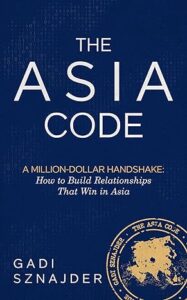
The Asia Code – A Million-Dollar Handshake – How to Build Relationships that Win in Asia by Gadi Sznajder


The Asia Code-A Million-Dollar Handshake-How to Build Relationships that Win in Asia by Gadi Sznajder
Publisher: Vanguard Executive Publishing
Genre: Non-Fiction, Contemporary
Rating: 4 Stars
Reviewed by Astilbe

Forget AI. The Most Powerful Business Tool in Asia is Still a Handshake.

As technology accelerates and markets become more automated, the ability to build authentic human connections has become the most valuable and rarest skill in business. Nowhere is this truer than in Asia, where deals are made between people, not companies. A deep personal connection, grounded in cultural understanding, is what separates a transactional relationship from a transformative, multi-million-dollar partnership.

The Asia Code is the essential playbook for any professional looking to scale up their game in the world’s most dynamic markets. This is not a theoretical guide; it is a practical, hands-on toolkit for mastering the human element of business in Asia. It provides the cultural intelligence you need to decipher the unwritten rules that govern success across the three critical markets that will define the future of the global economy:

Japan
South Korea
China

Inside, you will learn to:

Decode the Asian Mindset: Go beyond surface-level etiquette to understand the cultural logic that drives decisions in each country.
Master the Art of Connection: Build the trust and rapport that are the foundation of all successful ventures in Asia.
Navigate the Deep Waters: Turn cultural complexity from a barrier into your greatest strategic asset.
Close with Confidence: Learn the unwritten rules of negotiation, communication, and marketing that truly win deals.

In a world that thinks AI will replace us, The Asia Code is a powerful reminder that in Asia, the human factor is, and always will be, the key to outstanding success. This is the one book every professional serious about succeeding in Asia must have in their toolbox.

Sometimes unwritten rules are the most powerful ones of them all.

The most meaningful sections of this book, in my opinion, were the ones that described some of the weaknesses of western business culture and how building professional cross-cultural relationships through body language and understanding the subtext of written or spoken communication can help to correct these deficiencies. This is not at all something limited to the west either, and I appreciated the passages that were dedicated to exploring what westerners can teach people from these parts of Asia as well. Diversity builds strength and resilience in everyone.

There was a little too much repetition in this book for me to give it a full five-star rating. This was something I especially noticed in the case studies that discussed businessmen who understood the etiquette around topics like sharing business cards but did not internalize the importance of building genuine relationships with those one hopes to broker a deal with. While the points that were made were quite important, I did find myself wishing that other examples had been chosen to illustrate the author’s advice instead.

Building meaningful and genuine relationships isn’t a fast process, but it is an important one. I was not aware of this cultural difference between the west and certain parts of Asia, and I enjoyed learning more about how South Korea, China, and Japan approach business deals through the slow and methodical testing of a potential business partners character, ethics, and background instead of viewing those interactions as a transactional relationship.

The Asia Code – A Million-Dollar Handshake – How to Build Relationships that Win in Asia was filled with detailed and thoughtful advice.

Movie Review: BTS – The Return


Title: BTS – The Return
Director: Bao Nguyen
Producer: Bao Nguyen
Starring: Kim “RM” Nam-joon, Min “Suga” Yoon-gi, Jung “J-Hope” Ho-seok, Kim “Jin” Seok-jin, Jeon “Jung Kook” Jung-kook, and Kim “V” Tae-hyung
Publisher: Netflix
Genre: Nonfiction, Contemporary
Rating: 5 Stars (10 on IMDB)
Reviewed by Astilbe

Follows BTS as they reunite in Los Angeles after completing military service, confronting how to begin again, honor their past, and move forward together as they return to making music.

Boy bands generally don’t last this long. Can BTS make their big comeback in 2026?

Due to South Korea’s mandatory military service, the members of the K-Pop band BTS have been absent from modern music since 2022. This documentary showed their readjustment to life as civilians and the work they put into their new album, Arirang. I was surprised to learn that these performers were not exempt from military service and was curious to see what their time away from the spotlight had taught them. Without sharing spoilers, this topic was covered thoroughly and satisfactorily!

The scenes that explored how all seven members have matured over the past thirteen years or so were the ones that propelled this to a perfect rating for me. Most people change quite a bit between their teens or early twenties and their thirties, and BTS wanted this evolution to be included in their new music. When combined with what is a fairly long hiatus for a genre that is famous for having young fans that can rapidly outgrow their favourite artists, the question of how their audience would respond to this growth hung in the air both in the studio and in the meetings with music executives about which songs should or should not make the cut. It was especially interesting to me to find out how they chose the name for their album and what that represented to them now that they are all well into adulthood.

Viewers who are already part of the Army, which stands for Adorable Representative M.C. for Youth and is how some fans of BTS refer to themselves, will have a few fun surprises along the way, but this was still a good watch for those of us who maybe weren’t so familiar with their work. I appreciated the fact that this was filmed in a way that could appeal to a wide variety of people and didn’t make any assumptions about what we did or didn’t already know about them. It’s not always easy to accomplish something like that, but it sure makes for a good viewing experience.

BTS – The Return was heartwarming and made me wonder what is in store for them next!

Kiss Me at Sunset by Laura M. Baird


Kiss Me at Sunset by Laura M. Baird
Publisher: Self-Published
Genre: Romance, Contemporary
Rating: 4 Stars
Reviewed by Astilbe

Michelle Bosak is finding her way again at age fifty after being widowed. She’s always had an adventurous side, but entering a wet t-shirt contest among twenty-somethings? It was meant to be harmless fun. She never factored in the instant attraction to the sexy mountain of a man acting as bouncer. And then to discover he’s a talented musician who makes her heart yearn again? Yeah, the night just got a lot more interesting.

Xander Phillips enjoys playing music with his band, helping his sister at her bar, and living life freely on his terms at age fifty-two. But one look at the hot little woman on stage has him all out-of-sorts. He can’t resist staring at her gorgeous body, touching her flawless skin, and finding a way to learn all there is to know about her.

When they go from get-to-know-you conversation to a night together that’s hotter than the Florida sun, will these seemingly opposites—who discover they have much in common—make room in their lives for more?

Everyone deserves to live happily ever after.

The chemistry between Michelle and Xander was sizzling. Given how quickly their romance heated up, the early scenes that explored the spark between them was essential in order to explain why they were both interested in moving fast with each other. Ms. Baird couldn’t have done a better job at setting up their mutual interest in the first scene and then allowing her characters to escalate their interactions from there.

I did find myself wishing that a bit more time had been spent exploring why these two protagonists would make a good longterm match. Yes, they were great in bed together and shared some common interests, including the conscious decision to remain childless by choice which is something I’d love to see more of in the romance genre, but it would have been nice to see an extra scene or two that discussed what they hoped to be doing five years in the future as well to see how compatible those dreams were. Had this been included, I would have happily gone for a full five-star rating.

This book was filled with funny, playful banter that made me chuckle. I especially enjoyed seeing how their friend groups merged together and what everyone thought of each other as there were some humorous moments included there, too. Everyone in their social circle was in a stage of life where they had the time and money to enjoy late evenings out which made their adventures even more amusing.

What a heartwarming read Kiss Me at Sunset was.

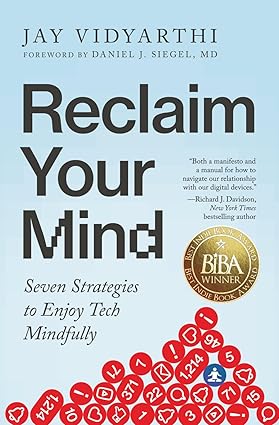
Reclaim Your Mind – Seven Strategies to Enjoy Tech Mindfully by Jay Vidyarthi


Reclaim Your Mind – Seven Strategies to Enjoy Tech Mindfully by Jay Vidyarthi
Publisher: Self-Published
Genre: Non-Fiction, Contemporary
Rating: 3 Stars
Reviewed by Astilbe

You know the feeling. You put your phone down after who-knows-how-long and you feel worse than when you picked it up. You need boundaries, but that doesn’t mean you should feel guilty every time you scroll.

Reclaim Your Mind offers a middle way to “anyone who’s feeling guilty and helpless about their screen time” (Catherine Price, author of How to Break Up with Your Phone). It isn’t just another book telling you that your phone is ruining your brain. It’s a mindful, balanced approach that helps you enjoy tech on your terms.

Most people who write a book like this want you to use less of it. Jay Vidyarthi is one of the world’s leading designers of mindful technology. A lifelong meditator and tech lover, he weaves together “a tapestry of wisdom” (Dr. Richard J. Davidson, NYT bestselling author of The Emotional Life of Your Brain) based not only on mindfulness, but also a deep understanding of how tech is designed. You shouldn’t have to choose between inner peace and screen time, and neither should those you care about.

With relatable stories, short exercises in every chapter, and strategies backed by scientific research, Reclaim Your Mind is “a playful, wise, and practical guide” (Dr. Daniel J. Siegel, MD, NYT bestselling author of The Whole-Brain Child) to rekindling a positive relationship with TV, social media, games, news, email, and AI. You’ll learn to stand up for your freedom of attention and actually enjoy the convenience, connection, and joy that technology can offer — all without getting stuck on apps designed to exploit you.

Technology can be a double-edged sword.

Mindfulness is an incredibly useful habit to develop in many areas of life, and I liked the way it was described and explored here. I’d recommend having basic understanding of meditation and mindfulness before starting the first chapter for readers who know nothing about them. This did seem to be something that was written for an audience who was already aware of a few fundamental things about them such as drawing one’s attention back to the present moment after being distracted or how breathing patterns can affect these things. Other aspects of these topics were better described in later chapters and included some helpful tips and tricks along the way.

There were times when I thought this book wandered a little too far away from it’s original themes. For example, the author talked about technology as another form of nature which I found confusing. The section at the end on AI also felt out of character for the points that had been made earlier given the recent research that has come out on the negative mental health affects of using those sorts of chatbots for companionship or advice. Stronger development of these ideas would have made it easier for me to understand where Mr. Vidyarthi was coming from.

I appreciated the balanced approach the author otherwise took to the topic of how smartphones and apps should be used. There is nuance in these conversations, and not everyone will come to same conclusions about which apps to use and how to use them. His advice on taking note on how they make one feel and the inclusion of multiple exercises to explore one’s reactions to technology was helpful.

Reclaim Your Mind – Seven Strategies to Enjoy Tech Mindfully was thought provoking.

The Clinic by Jay Andrade-Hunt


The Clinic by Jay Andrade-Hunt
Grimhold Vol. 1
Publisher: Self-Published
Genre: Sci-Fi/Fantasy
Rating: 4 Stars
Reviewed by Astilbe

After the Collapse, the world wasn’t rebuilt. It was scavenged.
Grimhold is a vertical city of rust, failing magic, and borrowed time. In its lowest districts, survival is negotiated through scraps, favours, and quiet threats.

Henry runs a back-alley clinic there. He treats anyone who makes it through the door, no questions asked. In a city carved up by gangs and syndicates, the Clinic survives by staying neutral.

That neutrality is beginning to crack. As tensions rise and the systems holding Grimhold together strain under pressure, the Clinic becomes a fault line where power, loyalty, and obligation collide.

A slow-burn, character-driven post-apocalyptic fantasy about endurance, moral compromise, and the quiet work of keeping people alive when stability is already gone.

Cooperation is underrated.

The world building in this novel was utterly fantastic and quite possibly the best example of how to do this I’ve read so far this year. Grimhold was a gritty, dangerous place where one wrong move could mean the difference between life and death. It was also a community filled with people working themselves to the bone on shoestring budgets to help others, often accomplishing things no one believed was possible along the way. These juxtapositions of kindness and unrelenting workloads not only helped to explain the sometimes rough demeanors of certain characters but also expressed the many different faces of this city.

There were times when I struggled with the slow pacing, especially in the beginning when more attention was paid to describing how Grimhold worked than the people who lived there or the conflicts they dealt with. Some patience is required for those chapters while everything is getting set up, but the payoff in the end was more than worth the wait. While I can’t go into much detail about how everything ended up fitting together later on for spoiler reasons, what I can say is that getting to know this world so well meant that later scenes became incredibly meaningful as the pacing picked up.

Some of the most memorable scenes in my opinion were the ones that explored the many ways someone can express platonic love for another person without the use of words. This may not sound like a theme one would necessarily expect in an urban fantasy novel, but it was woven into the plot seamlessly from beginning to end and added yet another layer of emotion and meaning to both the story as well as to the main characters’ lives. I adored these moments and hope there will more of them to come in the sequels.

Grimhold Vol. 1 – The Clinic was overflowing with both adventure and heartfelt emotions.

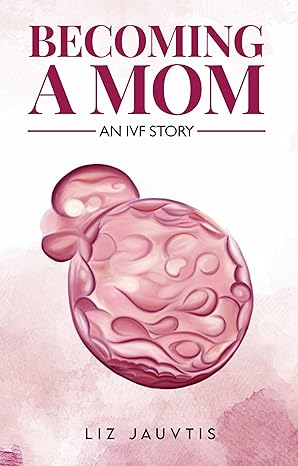
Becoming A Mom – An IVF Story by Liz Jauvtis


Becoming A Mom – An IVF Story by Liz Jauvtis
Publisher: The Book Publishing Pros
Genre: Non-Fiction, Contemporary
Rating: 3 Stars
Reviewed by Astilbe

This raw and intimate memoir follows Liz Jauvtis through her seven-year fertility journey, multiple IVF cycles, three pregnancies, and the unwanted realities of motherhood at 35 during the global pandemic. Liz brings an intimate and personal perspective to universal experiences. Her story dismantles the idealized version of motherhood perpetuated by social media, instead offering authentic insights into the physical, emotional, and birth trauma, sleep deprivation, social pressure, and the identity shift from career woman to stay-at-home mother. A compelling narrative for anyone touched by fertility struggles or modern parenting challenges.

Fertility isn’t guaranteed for anyone.

It was nice to see so many acronyms and other terms related to fertility and reproduction described in the footnotes, especially in the first several chapters. Not every reader is necessarily going to be aware of what all of these things mean, but understanding them was critical in order to visualize everything this couple needed to go through in order to have kids together. The explanation of how PCOS (polycystic ovarian syndrome) can affect not only the ovaries but many other parts of the human body as well was especially interesting.

I found myself wishing for more detailed descriptions of every step of Ms. Jauvtis’ journey to having biological children. This could have been separated into a trilogy, one for her infertility treatments like IVF and the toll they took on her mental and physical health, a second title about experiencing anxious pregnancies after treatments have been successful, and a final instalment about parenting during the Covid-19 pandemic. While I understood why all three topics were combined into the same book given how rapidly everything happened in the author’s life, it also meant that this was something I’d be a little hesitant to recommend to a friend who was currently experiencing infertility or pregnancy loss because of how many pages were dedicated to pregnancy and parenting. Not everyone who pursues treatment is successful, after all, and that’s something that could make it trickier to determine who the right audience is for this piece.

Some of the most memorable sections for me were the ones that acknowledged the many controversial topics surrounding fertility treatments, pregnancy and birth care, and parenting choices in the first few years of a child’s life. Ms. Jauvtis’ open-minded approach to these subjects was refreshing, and she came across to me as someone who was willing to listen to other points of view regardless of the decisions she and her husband made for their own family. I was especially interested in how she responded to the people in her life who had moral qualms about IVF and the possibility of using donor gametes given that she and her spouse needed medical help in order to have a baby. It takes maturity to remain so level-headed about a subject matter that is this important to someone, and I admired how she handled those difficult conversations.

Becoming A Mom – An IVF Story was thought provoking.

Movie Review: Lead Children


Lead Children
Writers: Michal Jedryka and Jakub Korolczuk
Director: Maciej Pieprzyca
Starring: Joanna Kulig, Agata Kulesza, Kinga Preis, and Michal Zurawski
Publisher: Netflix
Genre: Non-Fiction, Historical
Rating: 4 Stars (8 Stars on IMDB)
Reviewed by Astilbe

A young doctor uncovers lead poisoning in children near a steelworks. Despite state opposition, she strives to treat the sick kids.

Success is never guaranteed.

I appreciated how much time was spent exploring the effects of lead poisoning and why so many people in the 1970s were unaware of how it can disable and even kill children. This wasn’t something I knew much about before watching this series, but knowing the stakes the inhabitants of Silesia were facing was critical in order to understand why Dr. Wadowska-Król’s campaign was of utmost importance. Some of the best scenes in my opinion were the ones showing children playing in the dirt, going swimming, eating vegetables from their mother’s gardens, or doing other innocent things that took on a much darker meaning once the audience understood how polluted this community was and the many ways lead can enter the human body.

There were times when I found this mini-series to be a little uneven in its pacing and repetitive, especially when it came to Dr. Wadowska-Król’s conflicts with various Communist party members about how much information the general public should have about how lead poisoning was affecting the children of Silesia. These scenes were powerful the first few times but began to lose their effectiveness a little for this viewer by the time I reached the last two episodes and had seen them play out multiple times.

Understanding the culture of this time and place was necessary in order for the later episodes to make the most sense. Silesia was a complex town that relied on everyone following orders and not asking questions about what they were instructed to do. Normally, of course, this can be a good thing, but there are cases when obedience can have tragic unintended consequences when those in power may not have the best interests of the common person at heart. The scenes that dug into the discrepancies between what the leaders said and what they actually did behind closed doors were among the most powerful ones for me, and they were a big part of what kept me going despite my gentle critique of certain scenes.

Lead Children was an illuminating look at a chapter of history I’d never heard of before.