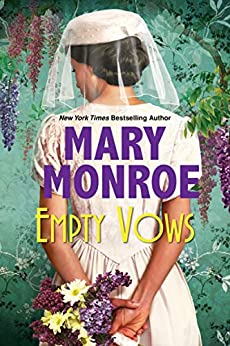
Empty Vows by Mary Monroe
The Wiggins Series, book 2
Publisher: Dafina
Genre: Historical, LGBTQ, Mystery/Suspense/Thriller
Rating: 5 stars
Reviewed by GingerForty-something widow Jessie Tucker is beloved throughout Lexington, Alabama, for her kind heart and endless generosity. But she feels it’s past time she rewarded herself—especially when upstanding Hubert Wiggins tragically loses his wife and son. Making herself indispensable, yet discouraged by Hubert’s lack of romantic interest, Jessie cooks up a deception she knows will make pious Hubert do right by her…
Hoax or not, Hubert couldn’t be happier. The passionate self he’s long hidden from everyone has a new, much-riskier secret love. And the unsuspecting second Mrs. Wiggins will help him maintain his ever-so-devout image in the community…
But when Hubert is not the ardent lover Jessie always dreamed he was, she turns her desires to handsome younger man Conway. Suddenly the “good church wife” can’t resist temptation at all. And someone is watching: Conway’s new girlfriend—and Jessie’s longtime rival—Blondeen. Now Blondeen has the perfect opportunity to harass Jessie, destroy her reputation, drive her out of town—then become the real wife Hubert should have had all along…
In one shattering night, Jessie, Blondeen, and Hubert will each go too far. And when their web of deceit threatens to drag them under for good, they will have only one chance to erase the past and claim everything they’ve ever wanted. If their secrets don’t destroy them first…

What lengths would someone go to hide their secrets?
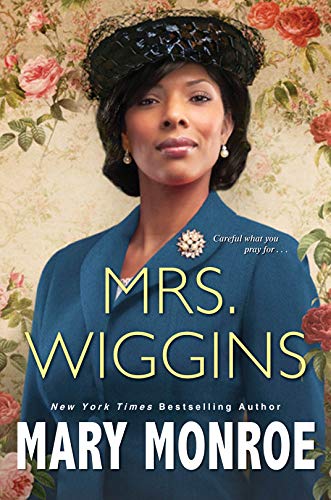
I was excited to return back to Lexington, Alabama! Empty Vows picks up where Mrs. Wiggins left off. You’ll need to read book one to get Maggie’s story. Book two is told from Jessie and Hubert’s view. True to her writing style the author includes colorful characters, an enthralling storyline and engaging dialogue.
Grief stricken Hubert Wiggins has lost his wife and son and soon finds himself an available widow in the small town of Lexington, Alabama. Jessie, Maggie’s best friend wasn’t interested in Hubert until her meddling sister Minnie put the thought in her head. In book two we get a different version of Jessie. In book one she was dominated by her now deceased husband and appeared helpless. Now readers see a calculating scheming side of Jessie.
If you’ve read book one you know Hubert has no interest in any of the women that are throwing themselves at him. He is only needing to find someone to cover suspicions of his secret lifestyle. With that premise I was drawn into the deceit and lies. But who is fooling who? As the saying goes be careful what you wish for and who you listen to. The characters make vows that were completely empty and based on selfish gain. Will the marriage turn out as they envisioned? This is the 1930’s and to cover a story with so many themes such as LGBTQ lifestyle, a strict religious family, segregation and the mention of a serial killer on the loose I couldn’t read fast enough. The author did an awesome job in pulling all this together to create an absolutely riveting drama.
I enjoyed the first book better, however this is a very entertaining read. In my opinion Jessie and Hubert are not on Maggie’s level. Maggie took action to help others and to defend herself while Jessie and Hubert are taking action for their own selfish reasons. Maggie’s upbringing wasn’t the best so that led me to have compassion for her and it made her actions more acceptable. For Jessie and Hubert, I don’t feel the same compassion.
I enjoy reading about the history during this era and learning about the culture in the Black community. I can picture the meddlesome neighbors and the humorous conversations. Living in the South the foods that are mentioned are staples in many households still today. I guess that’s why I enjoy the author’s stories so much, I can relate to living in a small town in the South and I can visualize people I know acting out the scenes in the book.
I am definitely looking forward to book three in this series to see how the author will conclude The Wiggins series. This is a good series that is sure to entertain many readers.