A Symbol of Time by John Westley Turnbull
Publisher: Self Published
Genre: Sci-Fi/Fantasy, Historical
Rating: 3 Stars
Reviewed by AstilbeSurvival requires sacrifice. But what if the price is an entire world?
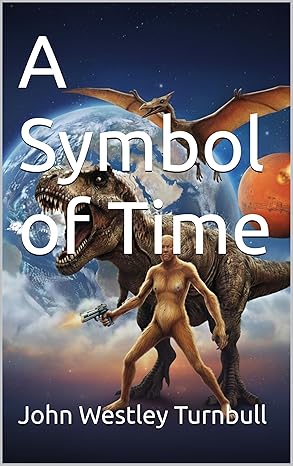
Their home is cold and dying, choked by the toxins of their own progress. Now, an advanced alien species looks toward the Third Planet—Earth—with hope and fear. They see a fertile paradise, but one that is hostile, hot, and dominated by massive, predatory reptiles.
The choice is stark: die in the heat, or remake this new world in their own image.
As they descend to alter the climate and purge the planet of its prehistoric masters, they set in motion a chain of events that will echo through geological time. A Symbol of Time weaves palaeontology and astronomy into a chilling tale of survival. As the new masters of Earth terraform the planet, the question remains: does high intelligence inevitably carry the seeds of its own destruction?

Nothing is more important than survival.
The world building was thorough and kept my interest levels high. I especially enjoyed gradually discovering the many physiological and psychological differences between this species and our own. Their expectations about everything from relationships to how to organize a society created challenges for them on the Third Planet that were as unique as they were critical to understanding later plot twists. Exploring a familiar subject through the perspective of a species so unlike my own is one of the reasons why I love science fiction so much, and there were certainly many opportunities to do so here.
It would have been helpful to have stronger character development, especially for Elthyris and the other protagonists. Sometimes I struggled to keep track of all of the secondary characters due to how many of them were introduced and how little I knew about them as individuals. Had this not happened, I would have happily chosen a much higher rating as there were so many other things I loved about this book.
There were multiple times when plot twists caught me by surprise. It was a great deal of fun to be surprised so often, especially given how many different types of twists and turns were shared with the audience. Various types of threats were included, none of which I can go into detail about here other than to say that they ranged from interpersonal conflicts to accidents to environmental issues that these characters couldn’t have predicted would happen in advance.
A Symbol of Time was an adventurous and imaginative read that made me want to hear more from Mr. Westley Turnbull.