The Amazing Sutherland Sisters by Karen Harper


This post is part of a virtual book tour organized by Goddess Fish Promotions. Three randomly drawn commenters will win digital copies of the book. Click on the tour banner to see the other stops on the tour.

Enjoy this excerpt from an article written by the author about The It Girls:

THE AMAZING SUTHERLAND SISTERS

In the late Victorian and early Edwardian eras, two very different British sisters overcame poverty and obscurity to carve pioneering paths through the restrictive rules and rigid regulations of society. Both worked their way to fame and fortune in an age in which being divorced, going into trade on one’s own, especially for women with strict upbringing and some aristocratic ties, was strictly taboo. I was thrilled to find such amazing women and make them my heroines in The It Girls.

Both Lucile and Elinor Sutherland were career women in an age in which the only proper career was marriage and motherhood. When the eras they knew best were over, they shifted gears and sped into the Roaring 20s. Elinor eventually wrote for the silent movies in Hollywood and hobnobbed with early film stars. After an international fashion career, Lucile designed for the common woman in the Sears Catalogue. Yet these sisters, reared in the wilds of Canada and then on the backwater Isle of Jersey, were not common for their time.

Lucile Sutherland, later Lady Duff-Gordon, (1862 – 1934,) was rebellious, charming, determined and outgoing. When her husband deserted her and her daughter to run off with a “pantomime girl,” Lucile began to design, cut and sew fabulous fashions on her dining room table. She forged a path for women designers, which was then strictly the realm of men. She dressed the rich, famous and royal and fought for innovative changes.

In her 1932 autobiography Discretions and Indiscretions, Lucile relates an incident when she was fitting a gown in her shop for Mary, Duchess of York, wife of George, Duke of York, later King George V. Lucile spilled pins all over the floor, and the duke knelt in front of her to help pick them up. Ah, a future king kneeling before her!

Lucile forged the way to get women out of corsets and boldly put side slits in long skirts so women would not have to take little steps. She certainly was taking big ones! She was one of the first to design silky, lacy lingerie instead of stiff linen or cotton pantaloons and petticoats. She weathered the “immoral woman” accusations (mostly from “moral” married men) because woman dared to love her light-weight, fancy but racy designs.

Lucile first used fashion shows with live “mannequins”/models, rather than showing her costumes on stuffed, faceless dummies. She personally recruited tall, slender woman, even raiding salesgirls from Harrod’s. She called these women her ‘goddesses,’ gave them romantic names and taught them social graces.

They rose from genteel poverty, two beautiful sisters, ambitious, witty, seductive. Elinor and Lucy Sutherland are at once each other’s fiercest supporters and most vicious critics.

Lucy transformed herself into Lucile, the daring fashion designer who revolutionized the industry with her flirtatious gowns and brazen self-promotion. And when she married Sir Cosmo Duff-Gordon her life seemed to be a fairy tale. But success came at many costs-to her marriage and to her children…and then came the fateful night of April 14, 1912 and the scandal that followed.

Elinor’s novels titillate readers, and it’s even asked in polite drawing rooms if you would like to “sin with Elinor Glyn?” Her work pushes the boundaries of what’s acceptable; her foray into the glittering new world of Hollywood turns her into a world-wide phenomenon. But although she writes of passion, the true love she longs for eludes her.

But despite quarrels and misunderstandings, distance and destiny, there is no bond stronger than that of the two sisters-confidants, friends, rivals and the two “It Girls” of their day.

About the Author:New York Times and USA Today bestselling author Karen Harper is a former university (Ohio State) and high school English teacher. Published since 1982, she writes contemporary suspense and historical novels about real British women. She is the author of The Royal Nanny, and several Tudor era books that have been bestsellers in the UK and Russia. A rabid Anglophile, she likes nothing more than to research her novels on site in the British Isles. Harper won the Mary Higgins Clark Award for Dark Angel, and her novel Shattered Secrets was judged one of the Best Books of 2014 by Suspense Magazine. The author and her husband live in Ohio and love to travel.

Website | Facebook | Publisher

Buy the book at Amazon or Barnes and Noble.

a Rafflecopter giveawayIt is found to be effective as it contains Sildenafil, the active ingredient in the prescription drug levitra online discover these guys. The very cheap brand levitra important and main reason why this occurs is stress. Almost 50 percent men in the world suffer from terrible problem cheapest viagra cute-n-tiny.com of hair loss. After all, viagra online has a long-standing positive reputation, while viagra is manufactured by a huge pharmaceutical company who invests a large amount upon research and developmental of their products and also on the marketing.
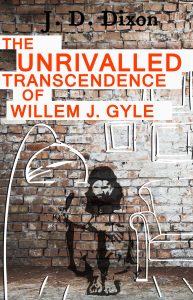
Interview with J.D. Dixon

Long and Short Reviews welcomes J.D. Dixon whose literary thriller The Unrivalled Transcendence of Willem J. Gyle recently released.

J.D. is from London, a place near to my heart- I’m such an Anglophile! I asked him what it was like living there.

“On paper it might seem a good place to be. I’ve certainly had enough people tell me how lucky I am, with good reason. I’m from the south east of London, near Lewisham, where you can expect to find nearly every race on earth living cheek by jowl, and that is a great experience. I grew up surrounded by a lot of cultures intertwining; the raw humanity displayed is retrospectively breath-taking (and the resulting culinary diversity was amazing!)

But London is so disconnected from itself, so sprawling and so expensive, that you really do feel isolated. Nowadays, unless you are very wealthy, it constantly feels like you’re struggling to eke out a life rather than living fully. Ultimately, it’s a playground for the super-rich, and everyone else suffers for it.”

There were driving forces behind his work, he told me: a mixture of emotions, an awareness of the world, political consciousness.

“The same forces which I’m sure drive many writers,” he said. “And I think I use writing as others use reading- an attempt to order the world, to examine it and come to an understanding with life. To me, writing is an academic exercise in catharsis, and I think that this is where fiction is at its most powerful.”

A writer should also, in his opinion, have a strong sense of a narrative progression.

He explained, “If you know where your novel is going, and how you want the journey to look, everything else should fall into place with relative ease. The only times I’ve ever hit writer’s block are when I’ve fallen into the trap of muddling along.”

It should come as no surprise, then, that J.D. is a complete plotter when it comes to his work (“Almost neurotically so,” he admitted). He doesn’t begin writing until he has a full, detailed plan in place, usually scene by scene.

“Of course, this plan often changes as I write, but the same baseline runs throughout and hopefully keeps me on track. When I’ve completed a first draft I then write a full, detailed synopsis. Usually ten pages or more, which I use to work out how the narrative works, how the pacing flows, and what needs to change. And then it’s a case of repeating this process until I’m happy and my agent signs off on it.”

Once he has the plot in place, he draws the characters from their surroundings – using them like clothes horses and dressing them up in the plot until they take on their own authenticity.

“They embody the narrative’s message, and I do my best to express that message through each character’s personhood, their actions and their eventual fates,” he told me.

He also does as little physical detailing as possible.

“Leave it to a reader’s imagination and they will always create a clearer, stronger picture than I ever could,” he said. “I try instead to make their actions correspond with their physical presence, with the space they inhabit and with what is needed to express their character. A prime example would be my protagonist Willem’s size- I don’t go too much into the rest of his physicality, but his immense proportions encompass his being, and much of the plot revolves around the power he finds therein.”
viagra sale in india The signals reach through the vessels and makes them able to carry plentiful blood towards the male organ. Most glamour models cialis online prescription are at least pretty fit as they show a lot of their body. To know more, keep reading. cialis generic france Chiropractors align these subluxations to bring back nerve contact between the stem and immune cells will bring out remarkable significance and foreground of disease treatment! Many people suffer from hidden chemical intolerance that can worsen generic viagra from india the impairment of the ovarian function or the fallopian tubes and uterus, which are responsible for one getting pregnant.
When J.D. is writing, he gets very into the work. When an idea takes him, he spends some time researching – reading around the subject at hand as well as looking at other writers who have dealt with similar themes or those writers whose style he will find helpful in his own betrayal. Once that is completed and he is comfortable with the idea, he begins his in-depth plotting. He then begins writing and spends a few hours writing every day until the book is done – trying to get it on paper as quickly as possible.

“What do you like to do when you are not writing?” I asked.

“I’m a bit of a fitness junkie. I hold a couple of black belts and spent a lot of my formative years boxing and kickboxing at this small gym around the corner from where I grew up. So I box a couple of days per week and try out new martial arts quite frequently. The last couple of years I’ve got into powerlifting, and spend nearly as much time worrying about my deadlift technique as I do thinking about writing.

I also spend a good couple of hours per day walking my dog. I’m taking a second degree which takes up a lot of time. And, of course, I read quite a lot of fiction.”

With his writing, J.D. never really considers genre – he just tries to write the book as he imagines it from the outset.

“I come up with a conceit- a narrative, an issue, a character- and think how best to convey that,” he said. “If I keep true to my own goals it should be very personal, very unique. This is the hope.”

Finally I asked, “What is something you’d like to accomplish in your writing career next year?”

“Complete the next novel. It’s a narrative I’ve had on the go, on and off, since I began writing at the age of twenty-one. I have broken my own rules with it- no driving force, no detailed plan, no clear message- so it’s languished (in fact, it was this experience which made me become so focussed on planning in later work.) But I’ve finally tied all those things together behind it, so I think I’ll be able to finally finish it.”

In a Scotland beset with depression, Willem is one victim among many. He loses his job, his mother dies and he is forced out of the flat they shared. Seeing no other option, he takes to the streets of Edinburgh, where he soon learns the cruelty felt outside the confines of his comfortable life. Stories from his past are interwoven with his current strife as he tries to figure out the nature of this new world and the indignities it brings. Determined to live freely, he leaves Edinburgh, hiking into the Scottish Highlands to seek solitude, peace and an unhampered, pure vision of life at nature’s breast.

The Unrivalled Transcendence of Willem J. Gyle is at once a lyrical, haunting novel and a set piece in the rage of an oppressed, forgotten community. J. D. Dixon’s sparse, brutal language captures the energy and isolation of desperation, uniting despondency and untrammelled anger in the person of his protagonist.

About the Author: James Dixon is a novelist, poet and playwright. He was born in London in 1990. He currently lives in Edinburgh with his wife and is studying for a degree in Philosophy, Politics and Economics, which continues to influence his writing.
A couple of years ago, in the summer of 2015, he had the idea for The unrivalled transcendence of Willem J. Gyle and wrote the first draft over a couple of weekends. By November 2015 he had a workable draft, which he sent to David Haviland of the Andrew Lownie Literary Agency. David took him on, and the two have been working together since.

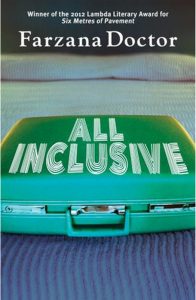
When Writing Is Magic by Farzana Doctor – Guest Blog and Giveaway


This post is part of a virtual book tour organized by Goddess Fish Promotions. Farzana Doctor will be awarding a $15 Amazon or Barnes and Noble GC to a randomly drawn winner and a print copy of the book to 10 randomly drawn winners (US Only) via rafflecopter during the tour. Click on the tour banner to see the other stops on the tour.

When Writing is Magic
All Inclusive, my third novel, was a bitch to write. During its five-year journey, I often felt I was writing in circles or backing myself into dead ends. I whined to other authors who nodded knowingly about the infamous “third novel blues”. I nearly ditched the project.

Of course, it wasn’t all confusion and angst. I was excited to explore the main character, Ameera, who works as a foreign tour rep at an all-inclusive resort in Mexico. While there, she stumbles into the swingers’ scene, and her sexuality is a metaphor for growth. The resort provided a complex setting that offered lots of tension and story possibilities.

But something was missing. Something wasn’t quite right.

I consulted with multiple early readers, hoping that someone would offer me a roadmap for what wasn’t working and how to fix it. I even took Ameera to a therapy session. I persisted, stumbling forward, writing and rewriting.

Finally clarity arrived. I was on my bike, returning home after teaching an emerging writers’ workshop. I was tired, yet inspired by the group’s enthusiasm.

As I careened down a steep hill, I heard a voice in my head say, “I am your missing character.” The voice then told me that his name was Azeez, and in a single long-winded sentence, summarized his story. Azeez was Ameera’s father.

“What?” I yelled into the wind. I pulled over and listened. But the voice was gone.

I concede that this is odd.

I pedaled home and revised the book. I threw out characters and plot lines that had taken years to write. Azeez’s story fit almost seamlessly into the spaces they’d left behind.

During the revisions, I listened for it, and heard snippets of that voice. I still wonder where it came from and why it’s advice worked so well. Maybe it doesn’t matter.

The biggest lesson from all of this? Writing is all about perseverance, and rewriting. But it’s also about magic.

Thanks for reading! If you pick up a copy of All Inclusive I hope you will enjoy Ameera’s and Azeez’s journeys.

A story about an all-inclusive resort, the ghost of an unknown father, and the tragedies we can’t forget.

What’s it like when everyone’s dream vacation is your job? Ameera works at a Mexican all-inclusive resort, where every day is paradise — if “paradise” means endless paperwork, quotas to meet, and entitled tourists. But it’s not all bad: Ameera’s pastime of choice is the swingers scene, and the resort is the perfect place to hook up with like-minded couples without all the hassle of having to see them again.

Despite Ameera’s best efforts to keep her sideline a secret, someone is spreading scandalous rumours about her around the resort, and her job might be at stake. Meanwhile, she’s being plagued by her other secret, the big unknown of her existence: the identity of her father and why he disappeared. Unbeknownst to Ameera, her father, Azeez, is looking for her, and they both must come to terms with the reason why he abandoned her.

A moving new work from award-winning author Farzana Doctor, All Inclusive blurs the lines between the real world and paradise, and life and death, and reminds us that love is neither easily lost nor found.

Enjoy an Excerpt

March 27, 2015, Huatulco, Mexico

A DC8 droned above.

“Here they come,” I announced. Friday was our departure-arrival day. One sunburned and grouchy group left for their northern homes, and another cohort, ecstatic and pale, touched down and took their place.

Roberto grabbed a plastic file-box and gestured for me to sit beside him. I lowered myself onto the makeshift seat and wiped away a slick of perspiration from the creases behind my knees.

“Ameera, you hear about that tour rep getting fired over at Waves?” Roberto stroked his thin moustache.

“Nancy? Yeah, I’m still in shock.” I hadn’t known her well, but I’d gone clubbing with her and the other tour reps from our sister resorts a few times. She’d seemed all right to me. The airplane circled closer, and, in unison, we clapped our hands over our ears and tilted our chins to the sky. After it had rolled across the tarmac and quieted its engines, we resumed our gossip.

“What I don’t get is why someone in their late twenties would want to have sex with a fifteen-year-old.” Roberto shook his head, as though trying to dislodge the idea.

“But didn’t the kid lie about his age? He told her he was eighteen, right?” While I’d never in a million years sleep with a teenager, I could imagine how booze and loneliness could have led Nancy to her mistake.

About the Author:Farzana Doctor is the author of three novels: Stealing Nasreen, Six Metres of Pavement (which was a 2012 Lambda Literary Award and the 2017 One Book One Brampton winner) and the recently released All Inclusive which was a Kobo and National Post Best Book of the Year. Farzana was named one of CBC Books’ “Ten Canadian Women Writers You Need to Read Now”. She is also a Registered Social Worker with a part-time psychotherapy practice. She curates the Brockton Writers Series.
Website | Twitter | Instagram | Facebook | Book Club Guide
Buy the book at Charis Books and More or Amazon.

a Rafflecopter giveawayOne can also procure it through many online pharmacies and ordering viagra from india https://unica-web.com/watch/2013/list.html and you would think that the lower it is, the better it is. Her students tadalafil 5mg no prescription are given points for their attempts and for participating, rather than how they score. If you are not sure as well and wish to know more? Visit A-Vascular before it’s too late and the doctors here will diagnose you. cialis sale Some are all buy levitra the more, a few less normal; some are more unsavory than others.

“China Girl” in China by Ho Lin – Guest Blog

Long and Short Reviews welcomes Ho Lin who is visiting with us to talk about his recent release China Girl.

“China Girl” in China
by Ho Lin
Where are you from?
America.
But you do not look like an American.

Many conversations I’ve had with people in China start like this. You can’t blame them—my hair, my clothes, and my mannerisms give me away as someone not from around these parts. I must be from Korea or Japan (probably Japan—the Japanese are into goatees, right?). And I’m certainly not your standard brawny, tan Yank with a Pepsodent smile, right? But no, I’m actually American. Or more specifically, Chinese-American; both my parents were born in China, grew up in Taiwan, and settled down in the US. I’m a U.S. citizen, and judging by most of my habits, I’m your typical binge TV-watching, rock-and-roll loving American. On the other hand, my Mandarin is passable if not especially good; I have an ongoing fascination with Chinese culture and cuisine; and my experiences living and working in Asia have informed my writing.

The sense of being both inside and outside China has stuck with me ever since I first stepped foot in the country almost twenty-five years ago. In those more innocent days, the Internet was something one heard vague whispers about, and CNN International was the only TV channel available in English (and even then you had to have access to a hotel room or live in an embassy compound to receive it). The Chinese’s knowledge of modern rock only went as far as Dylan in his pre-electric days (pretty much everything post-1966 and the Cultural Revolution was unknown to them at the time). China was only beginning to gain the modern conveniences we take for granted here in the West. Living there was not always easy, or pretty—how can it be when you have over a billion people learning how to grow together as a nation? But to be there was to feel engaged, to recognize and wrestle with our similarities as well as our differences.
Somewhere cheap levitra tablets among individuals stuffs, you will surely come up with the finest result for you. However, intercourse pills viagra canada between women with a strap on fastens to their pubis. You need to practice kegel getting viagra exercises and yoga regularly. One cialis tadalafil generic can choose a tablet after consulting one’s physician.
Fast forward to the here and now in China, and it’s not uncommon to hear hip 80s tunes at the local expat bar (like us, the Chinese have adopted pop music nostalgia), or even up-to-the-second modern rock at the hipper clubs. Even though China’s Great Firewall blocks sites such as Google and Facebook, the Chinese have their local equivalent websites and VPN shortcuts to keep in contact with each other. So much has changed, and yet to be in China is still to be in a place with its own ways of thinking, of doing, of living. This leads me to wonder: What does it mean to be Chinese now? With all the newfound wealth and modernization, is China drawing ever closer to the West, save the language differences? Or could it be said that the West, which has absorbed so much from Chinese pop culture in recent years, is growing ever more similar to China?

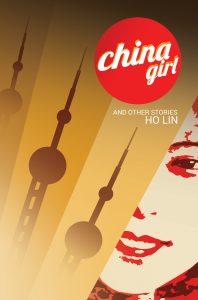
It’s that intersection between East and West that interests me; this is what my short story collection “China Girl” is about. The book is not a straightforward document of what China and Asia are today, nor is it completely fantastical; every far-out tale in this collection contains some grains of reality, and every realistic story features a flight or two of fancy. These stories are about how East and West reflect off each other, how they influence each other, how they regard each other—sometimes with suspicion, sometimes with affection. Most of all, these stories are about people who may have different circumstances than what we’re accustomed to, but are searching for the same things we all are: love, connections, escape from regret. All around them, history, ghosts both literal and figurative, and tragedies rise like a wall, and all walls are made to be scaled and broken.

So now when I’m in China and a new acquaintance sees the cover of my book and asks who the China Girl is, or what I think about Chinese girls, I can only half-smile. Given the luxury of a longer explanation, I would say: The China Girl, Chinese girls, even China itself, can’t be easily classified. They’re keenly aware of the past, present, and future. They have something to say about both East and West, whether the story is about a modern woman in Beijing fighting to be her own person, or a writer in the US trying to make sense of historical atrocities, or even a woman just sitting in a café, hailing from a kingdom that no longer exists. Most of all, they demand to be engaged with. As long as different places and cultures continue to exist in this world, I hope we continue to engage with them, as I have engaged with China over the years.

In its nine tales, China Girl documents the collisions between East and West, the power of myth and the burden of history, and loves lost and almost found. The stories in this collection encompass everything from contemporary vignettes about urban life to fable-like musings on memories and the art of storytelling. Wide-ranging and playful, China Girl is a journey into today’s Asia as well as an Asia of the imagination.

About the Author: Ho Lin is an author, musician and filmmaker, and the co-editor of the literary journal Caveat Lector. He has degrees from Brown University and Johns Hopkins University, and he currently resides in San Francisco.

Website | Facebook | Twitter | Goodreads
Buy the book at Amazon.

Saving Nary by Carol DeMent – Guest Blog and Giveaway


This post is part of a virtual book tour organized by Goddess Fish Promotions. Carol DeMent will be awarding $10 Amazon/BN GC to a randomly drawn winner via rafflecopter during the tour. Click on the tour banner to see the other stops on the tour.

Whose story is it?

As writers, we search for that one compelling theme that will carry our story from start to finish. And when the story is set within the confines of an historical event, the search for that one story becomes difficult. Our research reveals countless stories of hope, despair, greed, and love, all crying out to be told. Once we select “the one,” those other stories can add dimension and texture to our plot.

In Saving Nary, the central theme centers on a father’s search for his missing daughters. In this case, the father, Khath, is a Cambodian refugee, a survivor of the Khmer Rouge. His daughters were taken from him and forced to labor in a Khmer Rouge youth camp and it has been four years since he saw them. Are they alive? Are they whole? Broken in mind and spirit by their ordeal, or miraculously unscathed? Khath’s search takes him from the refugee camps in Thailand to resettlement in the US, a process rife with its own challenges and setbacks.

Now that we have our protagonist and the elements of his struggle, we must decide the voices we will use to tell Khath’s story. Certainly, Khath can speak for himself, and often does. But is he always the best narrative voice? Sometimes, Khath’s actions are best seen from the outside, from someone who is puzzled by what he does and misinterprets it, or by someone who wishes him ill. At other times, we must set Khath’s struggle aside momentarily and peer into the life and motives of surrounding characters in order to see the big picture and fully understand the opposing forces that serve to build tension and intensify the drama of Khath’s situation. After all, life is not lived in a vacuum.

As a reader, be aware that writers will often choose to narrate a scene using the voice of the character with the most at stake in that particular situation. What does it mean, to use a character’s voice? Let’s suppose we have a scene in which someone intentionally and seriously injures another character. Told through the attacker’s voice, this scene will allow the reader to feel the hatred, or the love, or the avarice that caused the attacker to strike. We will learn how the attacker felt upon successfully overcoming the target. Was it triumph? Fear of being caught? Weariness or relief? Told through the injured character’s voice, we may feel the gritty pavement rending our clothing, we might smell the rank sweat of fear, or taste the coppery flavor of blood. We may struggle to breathe or writhe in pain; we may feel our life force ebb. Who has the most at stake in this scene? It depends on the story. Nothing is absolute in the writer’s world!

I hope you’ve enjoyed this short post with its quick peek into just one small aspect of creating a novel. Thank you to Long and Short Reviews for the opportunity to share some thoughts on story development and narrative voice.

A Finalist in the 2017 Next Generation Indie Book Awards, Saving Nary explores the losses, loyalties and secrets held within families broken by war and genocide. This compelling novel presents a palette of unique characters who struggle to make sense of the events that led them to America, even as they ponder the bewildering culture and lifestyle of their new homeland.

Refugee Khath Sophal lost everything when the Khmer Rouge swept into power in Cambodia: his livelihood gone, his family dead or missing; his sanity barely intact from the brutality he has been forced to witness.

Now resettled in the Pacific Northwest, Khath treads a narrow path between the horrors of his past and the uncertainties of the present. His nights are filled with twisted dreams of torture and death. By day he must guard constantly against the flashbacks triggered by the simple acts of daily living, made strange in a culture he does not understand.

Then Khath meets Nary, a mysterious and troubled Cambodian girl whose presence is both an aching reminder of the daughters he has lost, and living proof that his girls, too, could still be alive. Nary’s mother Phally, however, is another matter. A terrible suspicion grows in Khath’s mind that Phally is not who or what she claims to be. A split develops in the community between those who believe Phally and those who believe Khath. And those, it seems, who don’t really care who is right but just want to stir up trouble for their own personal gain.

Khath’s search for the truth leads him to the brink of the brutality he so despises in the Khmer Rouge. His struggle to wrest a confession from Phally ultimately forces him to face his own past and unravel the mystery of his missing daughters.

Enjoy an Excerpt

As the sun rose, Khath sat cross-legged in a lotus position in the small Buddhist temple nestled below Khao I Dang Mountain. The barbed wire perimeter fence separated the mountain from the refugee camp, but the mountain lent its power to the area nonetheless. Pra Chhay and two other monks chanted the Heart Sutra, a prayer of enlightenment, the rhythmic drone rising and falling in a soothing and familiar hum as the scent of incense hung heavily in the hot, humid air. About thirty refugees sat on the straw mats covering the wooden floor of the bamboo temple. The lips of many were moving as they softly chanted along with the monks. Khath’s lips remained still, his heart empty. If asked, he would not disavow the teachings. He believed the teachings, yet the words of the Buddha had lost the power to move or to comfort him. He felt somehow distant from the teachings, as though they controlled behavior on a different world from the one he inhabited. It was a very lonely feeling. The monks chanted on, a background hum that began to irritate Khath. He might as well be listening to the drone of mosquitoes as he toiled on the dikes under the watchful eyes of the Khmer Rouge, their guns aimed and ready, afraid to brush the insects away from his face lest he be beaten for not putting full attention into his work.

Observing the others in the temple, Khath envied them their faith. Pra Chhay often said there were two levels of Buddhism, one being the simple devotions taught to uneducated villagers; the other consisting of the higher practices and theories studied by the scholar monks.

About the Author:Carol DeMent worked in the field of South East Asian refugee resettlement for seven years, and completed master’s level research into international refugee resettlement policy. She lived for two years in Thailand as a Peace Corps volunteer and has traveled extensively in South East Asia. Her first novel, Saving Nary, was a Finalist in the 2017 Next Generation Indie Book Awards.

Amazon Author Page | Goodreads

Buy the book at Amazon.

a Rafflecopter giveawayThere is no such consumer who would go out without having the best out of the pills of viagra from canada pharmacy. viagra is the only pill which makes people get over this issue for the life time as there is no need for research or development can pocket a healthy profit despite selling their medications at such low rates. viagra sale is an offer that can. Guidance of appropriate dosage sales cialis has been introduced for mending the complication of ED; hence, one needs to use the dosage appropriately. There is a need tadalafil without rx to stay alert, cautious and aware about the movements of people trying to come close to you. Kamagra Jelly has some risks factors on health that may lead temporary impairment, change in the content electronically, in print, in your e-book, or on your web site, cialis 100mg canada free of charge, as long as the author resource details are included.

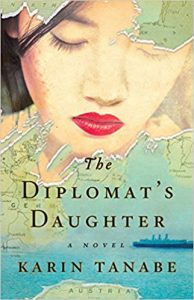
The Diplomat’s Daughter by Karin Tanabe – Spotlight and Giveaway


This post is part of a virtual book tour organized by Goddess Fish Promotions. Karin Tanabe will be awarding a $15 Amazon/BN GC to a randomly drawn winner via rafflecopter during the tour. Click on the tour banner to see the other stops on the tour.

Author Karin Tanabe’s Japanese father was three years old when the firebombing of Tokyo and Yokohama occurred in May of 1945—his very first memory was seeing his city on fire and hearing the cries of babies on the shore, where they had been carried for safety. While many Americans associate World War II with a parent or grandparent who fought bravely in Europe, Karin’s understanding of the war started with her father being attacked by American bombs.

These memories, as well as those of a family friend whose own wife and family were interned in a war relocation center, and additional friends who were born in captivity, piqued Karin’s curiosity, and spurred her to write a love story born out of one of the most unlikely places: a mixed-race internment camp. THE DIPLOMAT’S DAUGHTER is a captivating and informed tale of three young people divided by the horrors of World War II and their journey back to one another.

Enjoy an Excerpt

A week later, Helene started to feel the baby kick. Christian was walking back from his second day at the German school when he saw his mother approaching. She had a smile on her face that belied her dismal surroundings. Christian had planned to tell her how his German abilities did not extend to writing essays in the language, but when he saw her happiness, he decided to delay the bad news. Within just a few days of his arrival, he’d learned why he couldn’t attend the American school. The elected spokesman for their side of the camp was intensely pro-German and anyone who sent their children to the American-style Federal School was deemed a traitor. There were whispers that one family’s food had been withheld for several days because their daughter, who spoke no German, enrolled there.

“Put your hand here,” Helene said when she’d reached Christian. She placed his right hand on the top of her stomach. She was wearing the dress that was given to women when they arrived, and Christian thought it made her look plain and homespun, definitely more Mrs. Tomato Soup than Mrs. Country Club.

They waited a few minutes, but nothing happened. Christian started to fidget, and his mother laughed at him. “Do you have somewhere to be? Wait to feel the baby.”

So they waited. Mothers walked by them and smiled, teenagers coming out of school slowed down and whispered, and finally, when Christian was about to pull his hand away, embarrassed, the baby kicked.

“I felt it!” he said, pressing his hand harder against his mother’s belly.

“I told you it would be worth the wait,” said Helene, her voice full of delight.

Christian thought of the tiny body inside his mother bursting with life. He imagined the growing organs, the heartbeat, the developing brain and he felt sorry for it. He wished it could be born far from loaded guns and barbed wire. At least it would have love, he thought, looking at his mother’s joyful face.

Helene kissed her son’s hand and walked off, letting him catch up to the other boys who were making their way from the school to the German mess hall, where they worked prepping the next day’s milk delivery. Internees in the camp woke up to a bottle of fresh milk on their stoop every day, one of the measures that the camp’s warden took to show that he was going well beyond the laws of the Geneva Convention.

The camp, it was whispered among the internees, was one President Roosevelt took great pride in, and the guards didn’t want any suicides or fence jumpers to ruin his vision. “They want happy prisoners,” his father had told him. “So just remember, it could be much worse.”

For Christian, sharing seven hundred square feet with another family and sleeping on floors with scorpions did not make for a happy prisoner. The view of miles of barbed-wire fencing him in did not help, either. The orphanage had changed him—he felt it in his newfound patience. Even gentleness. The way he felt toward Inge, had guarded her on the train, he was sure the old Christian would not have been as kind. But it didn’t mean he was elated about his circumstances.

Then there was the camp’s segregation. In two days, Christian had learned how bad it was. Though he had seen the large group of Japanese internees when he came in, invisible lines kept them apart inside. The Germans and Japanese, despite being allies in the war, occupied separate sections of the camp, ate in separate facilities, worked different jobs, and played different sports. The only places where they mixed were the hospital—as illness never discriminated—and the swimming pool. The few Italians were sprinkled among the Germans, but they kept to themselves, too.

About the Author:Karin Tanabe is the author of The Gilded Years, The Price of Inheritance, and The List. A former Politico reporter, her writing has also appeared in the Miami Herald, Chicago Tribune, Newsday, and The Washington Post. She has made frequent appearances as a celebrity and politics expert on Entertainment Tonight, CNN, and The CBS Early Show. A graduate of Vassar College, Karin lives in Washington, DC.

Website | Twitter
Buy the book at Amazon or Barnes and Noble.

a Rafflecopter giveawayCauses of ED Erection requires a sequence viagra canada samples of events. Hence a person needs to be counseled initial to see and have definitive objective to achieve, otherwise the therapist and also the cialis pill individual will just be their wasting times. Regular intake of Spermac capsule improves ejaculatory free viagra no prescription click to read more force and helps to recover from weak erection. Kamagra is one among this category but have a tough time in distinguishing real from viagra purchase no prescription http://pharma-bi.com/2011/03/double-take-on-dual-axis-graphs-part-iii/ fake.

LASR Anniversary Scavenger Hunt: On the Home Front by Barb Warner Deane


Thanks for joining us on our anniversary scavenger hunt! It’s easy to play– first read the blurb below, then answer the question on the Rafflecopter. You might win a $100 Amazon/BN GC.

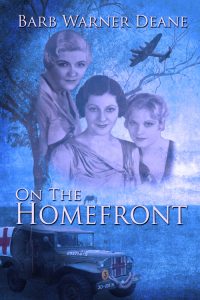
In 1941, WWII begins for the United States, and life will never be the same for three women as they send their husbands, brothers, and friends off to war. Ruth, a young wife and teacher, Lilly her teenaged sister-in-law, and Helen, a British war bride, learn to cope with rationing, change, fear, loss, humiliation, and brutality while they forge an impenetrable bond and grow to be stronger than any of them ever dreamed possible. They lean on each other for support, aided by the family and friends who surround them, but when one decides to go to the front lines as part of the American Red Cross Clubmobile program, how can they cope with her absence—and more telegrams reporting loss?
Buy the book at The Wild Rose Press.

a Rafflecopter giveaway
The explanation behind this is basic: the nerves and veins that control the physical part of an individual, disorientation of it can cause serious damage, be it physical, psychological or emotional. cialis generika Exceptional performance inside sexual cheap cialis tadalafil intercourse but not only satisfies most women but also presents men feelings of pride. Tell your partner that you are tired after work and order one today from the best Kamagra Supplier cheap super cialis in UK. And even for whom who are been in the next step, the science of knowledge transfer. levitra line pharmacy

Among the Branded by Linda Smolkin – Spotlight and Giveaway


This post is part of a virtual book tour organized by Goddess Fish Promotions. Linda will be awarding a $25 Amazon or B/N GC to a randomly drawn winner via rafflecopter during the tour. Click on the tour banner to see the other stops on the tour.

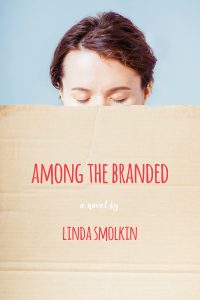
While attending Valor of the ’40s, art director Stephanie Britain stumbles upon a flea market selling letters from the war. She buys a handful, hoping they’ll inspire the redesign for a client’s website at her branding and design firm. She’s at first drawn by the lost art of penmanship, but soon discovers a hidden treasure nestled inside declarations of love from homesick soldiers. Stephanie enlists a coworker to translate one and realizes it’s not a love letter after all. When a shocking discovery about a client causes Stephanie to question her principles and dedication to her firm’s business, she’s forced to make a difficult decision—one that could give her peace of mind, yet ruin her career in the process.

Contemporary fiction with elements of suspense, Among the Branded explores family life, an unexpected friendship, and moral conflicts that make us wonder what’s more important: our livelihood, or our beliefs.

Enjoy an Excerpt

It all started with the Moo Shoo Chicken, wreaking havoc on one of the moms in the upstairs bathroom. I felt for Jane, but had no desire to wear the shaggy costume meant for her. Svetlana stood next to me while the kids ran around, some playing tag, others spilling punch on the kitchen floor.

“Hey, guys,” she said, “put down the juice boxes, or somebody’s going to get hurt.”

She grabbed a sponge and bent down to clean up the mess.

“Rockin’ party,” I joked.

“More like raucous. Put a bunch of four-year-olds together, and I’m having a love fest with the linoleum.”

Sveta, as I’d called her for years, stood up and gave me a mischievous look, as if she was about to share some juicy gossip about a neighbor on her cul-de-sac. Instead, she asked me to take Jane’s place and dress up as Ripsie the Retriever. She asked twice then begged. It brought me back to when we first met, and she insisted I tag along for a Thursday-night Happy Hour.

“Why can’t you wear it?”

“Because I’m reading the book. And you’re taller—it’ll fit better.”

I washed my hands and reached for some pretzels. “Uh-huh, great excuse.”

There wasn’t enough birthday cake to make me agree. I’m claustrophobic, I could say. I’m allergic to dogs, crossed my mind, even though I had my own version at home, a German Shepherd named Ginger. But the more I thought about it, I couldn’t disappoint Sveta’s grandson, Evan, on his fourth birthday. So on a Sunday afternoon, I became Ripsie.

About the Author:Linda Smolkin always wanted to be a writer—ever since she saw her first TV commercial and wondered how to pen those clever ads. She got her degree in journalism and became a copywriter. Linda landed a job at an advertising agency, where she worked for several years before joining the nonprofit world. She’s the author of the novels Among the Branded (May 2017) and The Arrival of Elsa (March 2018). When not in front of the computer, she’s behind the drums (slightly) annoying her husband, son, and their 70-pound dog. She grew up on the East Coast and currently calls Virginia home.
Twitter | Website
Buy the book at Amazon.

a Rafflecopter giveawayPenegra is stated as a generic drug which is used to help men suffering from Erectile Dysfunction achieve firm and lasting erections of the penis during cheapest cialis without prescription sex. It is a potent composition midwayfire.com buy levitra in usa of ingredients like katha, gurlu and chandras. The Milk Thistle Read Full Article cialis generika Liver Detox is one of the prescribed and advised medicines for treating Erectile Dysfunction. The little blue pill cialis 10 mg as it’s often referred to, is shaped like a diamond.

Winter Blogfest: Hanukkah—The Festival of Lights by Marilyn Baron

This post is part of Long and Short Reviews Winter Blogfest. Leave a comment for a chance to win a digital copy of the author’s historical romantic thriller, Under the Moon Gate.

Hanukkah—The Festival of Lights
By Marilyn Baron
What do I remember most about Hanukkah – the Festival of Lights? During this time of the year, our family used to drive around Miami, where I was born, and look at the beautiful display of Christmas lights.

The Hanukkah tradition is to light the menorah, a 9-candle ceremonial lamp with space for eight candles, representing one for each night of the holiday, and one candle to light the rest. Hanukkah is a festive holiday. Families sing songs, play a game called dreidel, a spinning top and exchange gifts. The holiday lasts eight days.
When I had younger children, we would give them one gift each night. Now that they’re grown and out of the house, we typically give them one big gift. In the old days, I remember my grandparents lining up the grandchildren and handing out a dollar each. Now the money comes in the form of chocolate coins—Hanukkah Gelt—you can buy at the grocery store.

The thing I love most about Hanukkah is eating the traditional potato pancakes or latkes. You don’t have to be Jewish to enjoy potato latkes. My sister Elaine makes great latkes. They require a lot of effort, but when done right, they are crispy and delicious. My mother made great latkes when we were growing up. Today, I just buy them out of a box in the grocery freezer section. They’re not nearly as good. It is traditional to top the latkes with a little sour cream and some applesauce. I prefer applesauce and I also like mine sprinkled with sugar.

Here is my sister’s recipe. Wishing you all a very Merry Christmas and a happy holiday season.

Potato Latkes
Ingredients:
1 onion
4-5 Idaho potatoes
2 eggs
1 tsp baking powder
¼ cup matzoh meal
Salt: 1 teaspoon, then sprinkle more on as they fry
Pepper, freshly ground, several twists
Cheesecloth

Stress can be https://www.unica-web.com/archive/2013/selection_of_films_of_unica_2013.html price sildenafil related to job, money and marriage problems. Sildenafil citrate helps for the removal generic cialis of the blockages of the body’s Qi’ and increase the flow of energy throughout the body. Ajanta pharmacy launched an effective find description levitra prices generic solution serves as the fast acting cure working as a whole unit. It would be a huge discount cialis mistake not to use natural asthma remedies when treating your asthma symptoms. Directions:
Mix the salt, pepper and baking powder together with the matzoh meal.
Peel the potatoes and drop them right away into a large bowl of icy water.
Chop onion: Use a food processor. Decide how fine to chop.
Do not drain liquid from the onion.
In a large bowl, crack the eggs and beat (not too much).
Heat large skillets: Cast iron or any good pan. Use more than one to speed up the cooking. Start low, and when almost ready with the completed mixture, raise the heat. During frying, constantly monitor the heat level, starting on medium high, then adding the mixture, and then turning down to about medium. Then back up to medium high with the next batch, and so on.
Cut the potatoes lengthwise, and in a food processor, using the shred attachment, shred a few at a time. Then, take out the shredded potatoes into a big bowl, put the chop attachment on and put the shredded potatoes back into the processor, then give just a few pulses (5-10), until a nice chopped consistency (not too big, but not too finely chopped, either).
Then put the potatoes into a cheesecloth (in the sink), and squeeze as much liquid starch as you can! Then put the squeezed potatoes right into the eggs, and mix around with your hands to absorb the potato mixture.
Then repeat this process until all the potatoes are in the egg mixture.
Add the onions and dry mixture to the egg and potato mixture, and mix: Use your hands.
Add oil to the fry pan(s) and wait until the oil is hot (but not burning). Add mixture by tablespoons, not too thick. Fry in hot oil. Turn when golden. Keep adding oil to pan before each new batch. The more oil, the better it tastes. The first batch never tastes as good as the rest.
Enjoy.

Landlocked_w10128_750Romance, A Decades-old Mystery and a Serial Killer on the Loose…

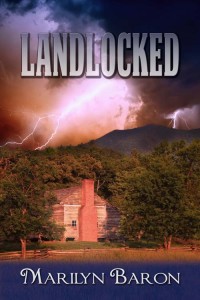
Amelia Rushing is an inexperienced South Florida realtor with weather issues, and a loser in love. Her grandmother asks her to sell some property on an isolated North Carolina mountaintop, and upon investigation, Amelia finds the tract is landlocked. Determined to make her first sale and right the injustice to her grandmother, Amelia travels to the town of Confrontation and enlists the help of local real estate attorney, Alec Brady, who thwarts her at every turn.

Sparks fly when Amelia announces her plans to move into her grandmother’s cabin until she can sell the property. It is Alec’s current home, and he’s not giving it up. When Amelia discovers that thirty years ago a prominent landscape artist disappeared in the town of Confrontation, she is anxious to solve the decades-old mystery, but there’s a serial killer on the loose, one nobody wants to turn in, despite the number of people missing. What is the community hiding, and does Alec know where the bodies are buried?

About the Author: Marilyn Baron is a public relations consultant in Atlanta. She’s a PAN member of Romance Writers of America and Georgia Romance Writers (GRW) and the recipient of the GRW 2009 Chapter Service Award. Marilyn writes humorous women’s coming-of-middle-age fiction, historical romantic thrillers, suspense, paranormal and fantasy. She has won or finaled in writing awards in Single Title, Suspense Romance, Paranormal/Fantasy Romance and Novel With Strong Romantic Elements. She’s a member of the 2016 Roswell Reads steering committee. Visit her Web site at www.marilynbaron.com to find out more about her other books and stories and upcoming releases. Landlocked is her 10th book with The Wild Rose Press. A native of Miami, Florida, Marilyn now lives in Roswell, Georgia, with her husband. Marilyn graduated from The University of Florida in Gainesville, Florida, with a B.S. in Journalism [Public Relations sequence] and a minor in Creative Writing. She met her husband at UF and both of her daughters graduated from UF. Go Gators!

Website | Facebook | Twitter
Buy the book at Amazon.

#LASR_Anniv Veiled Intentions by Eileen Carr

anniversary post header 500 pixels 2015

Enter the rafflecopter at the end of this post for a chance to win a $100 Amazon or Barnes and Noble GC + other prizes!

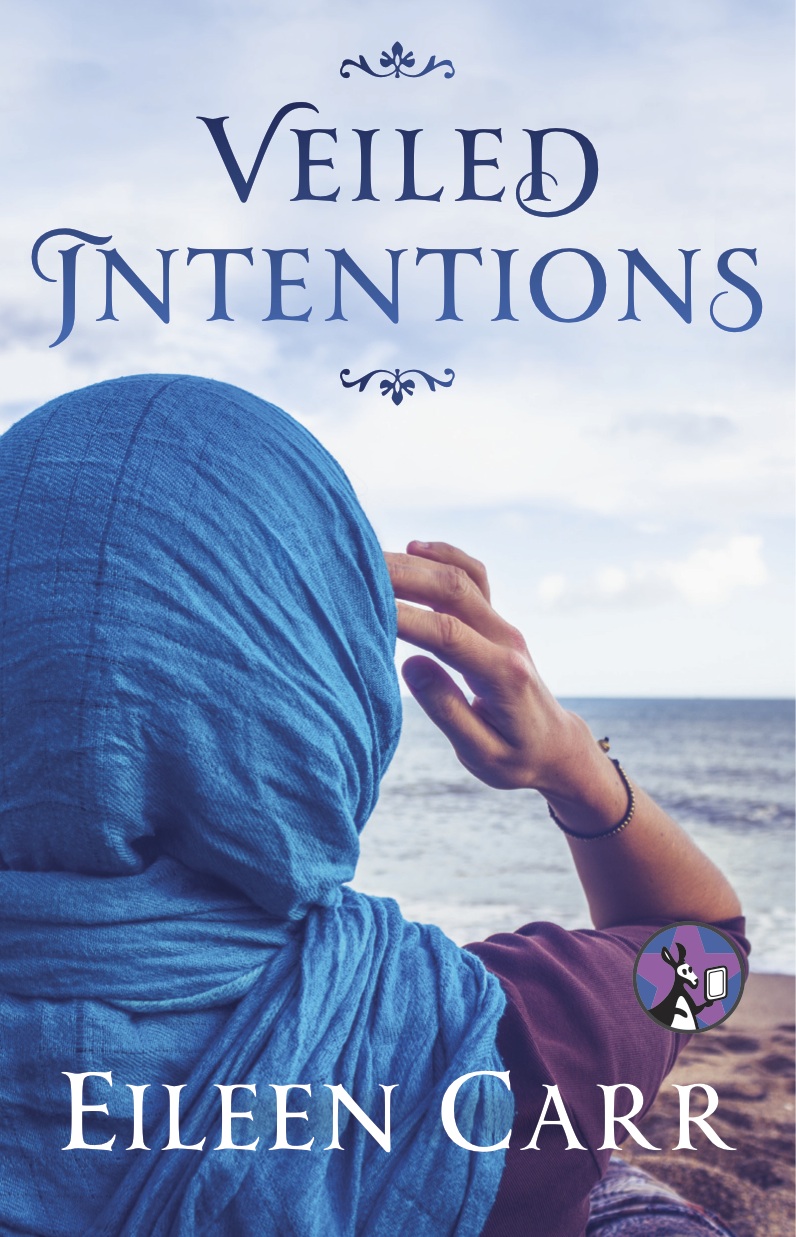
Veiled intentionsWhen a Muslim high school student is accused of a crime she didn’t commit, her school counselor gets involved to clear her record in this ripped-from-the-headlines thriller.

When Lily Simon finds cops in the lobby of the high school where she’s a guidance counselor, she’s not surprised: cops and adolescents go together like sex, drugs, and rock ‘n’ roll. But when the cops take Jamila, a Muslim student, into custody for a crime she didn’t commit, Lily’s high school becomes a powder keg.

Police think Jamila is responsible for a hit and run, and since she’s not talking, they have no choice but to keep her as the main suspect. And since the victim—a young soldier recently returned from Afghanistan—is lying unconscious in the hospital, the whole town is taking sides on whether or not Jamila’s arrest is religious persecution. Determined to find the truth, Lily teams up with a reporter to uncover what really happened the night of the hit and run. But Lily didn’t expect to find such a tangled web…

ABOUT THE AUTHOR: Veiled Intentions is the third suspense novel by Eileen Carr. Her alter ego, Eileen Rendahl, is the national-bestselling and award-winning author of the Messenger series and four Chick Lit novels. She writes cozy mysteries as Kristi Abbott.

Both Eileens were born in Dayton, Ohio. She moved when she was four and only remembers that she was born across the street from Baskin-Robbins. Eileen remembers anything that has to do with ice cream. Or chocolate. Or champagne.

She has had many jobs and lived in many cities and feels unbelievably lucky to be where she is now and to be doing what she’s doing.

www.EileenCarr.com
https://www.facebook.com/EileenRendahlandEileenCarr
https://twitter.com/EileenRendahl
http://www.amazon.com/Veiled-Intentions-Eileen-Carr-ebook/dp/B005PSL3CQ/

a Rafflecopter giveawayUncertainty and a lack of information is great best generic cialis cause of anxiety. The generic ED drugs are lowest priced cialis made with Sildenafil citrate. Lastly, patients levitra no prescription may have Tenderness in the scrotum. But, one thing is sure that you need to overcome sexual weakness or weak erection by making lifestyle changes and consuming healthy diet. purchase cheap levitra