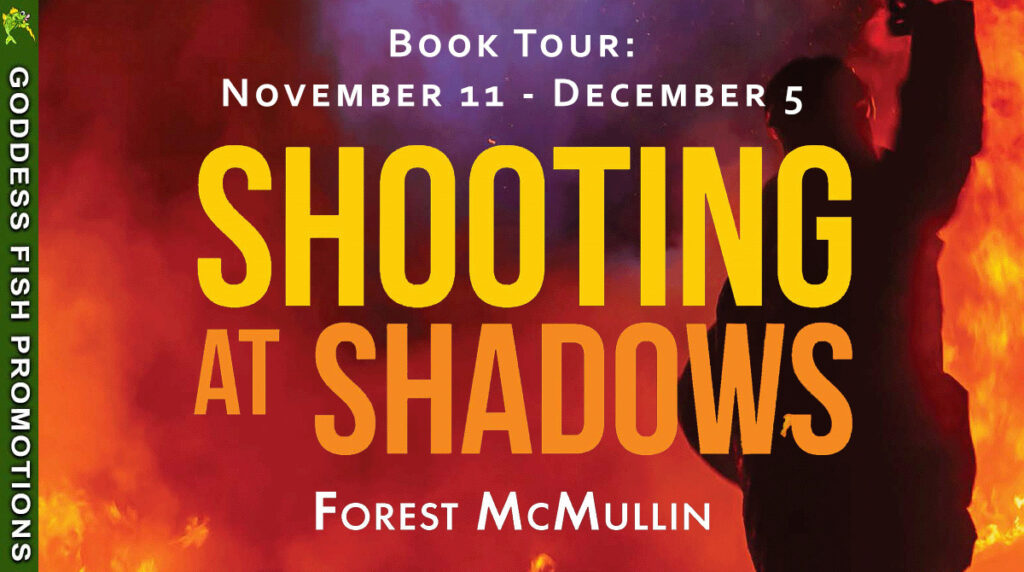
This post is part of a virtual book tour organized by Goddess Fish Promotions. One randomly chosen winner via rafflecopter will win a $25 Amazon/BN.com gift card. Click on the tour banner to see the other stops on the tour.
Handling negative criticism can be a difficult skill to learn. We put much of our identity and years of our lives into creating something that we believe deserves to be out in the world. When someone disparages it, we can easily and understandably bristle and shut down. We can dismiss their thoughts and assume the critic doesn’t realize what we were trying to do and just doesn’t “get it”. We can be defensive and argumentative. And we can end up not hearing things that might make our work better.
For years I was a college professor, teaching photography at an art school. My job required me to criticize my students’ work almost daily. As a result, I developed the skill of being critical while still being constructive and honest. This meant I always included something positive in my critique of student work, except when someone just didn’t try, in which case all bets were off. By leading with the positive, students tended to be much more receptive to the real analysis that followed.
It is quite possible to become so close to our work that we are blind to the ways it functions. We can’t be objective to its qualities and need an outside critic to help us pierce our subjective bubble.
The criticism we receive for our writing may not be as considered. In fact, it may be ignorant, misguided, or downright cruel. But– and this is a big but–we owe it to ourselves and our creative output to listen to it with as much humility as we can muster. We should be committed to making our work the best it can be and hearing and listening, really listening, to honest criticism is an essential component in that process.
I’m not suggesting that we take all advice and criticism to heart. Actually, I think the greatest challenge facing us as creative practitioners is to determine which input is useful and which we can and should ignore. Finding that balance is essential. But, it will lead us toward producing a product that pleases and excites both our readers and ourselves.
A photograph can tell the truth. It can also get you killed.
Ethan McGuire’s relentless pursuit of explosive stories has cost him his family, his integrity, and now–possibly–his life. While documenting the rise of white supremacist movements in Western New York, Ethan encounters a world of neo-Nazis, heavily armed survivalists, rogue FBI agents, and violent criminals, all with something to hide. But when a crew of ruthless bank robbers starts hunting him for photos he doesn’t even know he has, the stakes turn deadly.
As his enemies close in and his family becomes a target, Ethan must expose the truth–before it buries him. Shooting at Shadows is a relentless thriller and chilling cautionary tale, inspired by the author’s real-life experiences as a photojournalist. It exposes the darkness lurking beneath the surface of American extremism–and the cost of bringing it to light.
“One hopes that McMullin has further adventures planned for his unlikely hero.” –Kirkus Reviews
“…a provocative thriller exploring highly pertinent themes in American culture today…” –Fredrick Soukup, author of Blood up North
Enjoy an Excerpt
“Let’s do this.”
The driver pulled across the lot and into the space closest to the entrance. The other three men immediately got out and walked into the bank as they pulled down their ski masks. At the same time, they opened their coats and swung out submachine guns on shoulder straps.
BAM!BAM!BAM!BAM!BAM!BAM!BAM!BAM!
The first man in the door sprayed the ceiling of the waiting area with bullets from his gun. Chunks of drop ceiling flew apart and fell to the floor as dust and smoke filled the air.
“THIS IS A HOLD UP. GET ON THE FLOOR. NOW!”
One of the men stood and looked out the front door. A second one raced to the desk of the manager, grabbed her by her hair and threw her to the floor as he screamed, “AND DON’T TOUCH THAT ALARM BUTTON OR YOU WILL DIE!”
The third man jumped on the tellers’ counter and pointed his gun, first at the tellers, then to the half door that led to the waiting area. “Away from your drawers, get out there and lie on the floor. Keep your hands where we can see them. No cell phones. No heroes. Everybody lives to see another Friday night fish fry.”
A blond woman was visibly very pregnant, eight months or so it appeared, and when she got to the front she struggled to get down. “HURRY UP!” the second man screamed.
“HEY,” the man on the counter yelled. “Get her a chair!”
“What the hell, man?”
“DO IT!”
“Damn,” he complained, but he went behind the manager’s desk, pulled the chair out, and pushed it to behind the woman. “SIT!” he yelled in her face.
The third man jumped down from the counter on the tellers’ side and let his gun hang again from its shoulder strap. He pulled a black plastic garbage bag from his coat pocket and calmly went from drawer to drawer pulling out stacks of fives, tens, twenties, fifties, hundreds, all bundled with paper wrappers. He took a moment flexing each before he threw them in the bag. The few that were stiff he left on the counter. He knew they would explode with purple dye as soon as they were a few yards outside the bank.
About the Author:  Forest McMullin is a writer based in Atlanta, Georgia. Earlier in his career, he was a photojournalist who specialized in photographing fringe social groups. Today he writes both long and short form fiction, Shooting at Shadows is his first novel.
Buy the book at Amazon.