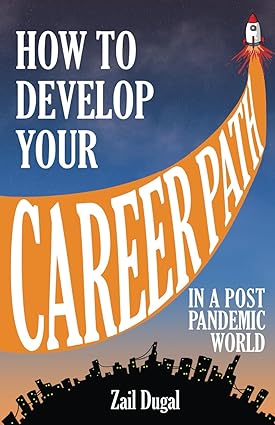
How to Develop Your Career Path in a Post Pandemic World by Zail Dugal
Publisher: Self-Published
Genre: Non-Fiction, Contemporary
Rating: 3 Stars
Reviewed by AstilbeIn the wake of the global pandemic, the professional landscape has undergone profound changes, challenging traditional notions of career advancement and stability. Recent graduates are having trouble finding their footing in the workplace after many other professionals have been laid off or furloughed. Some professionals have had gaps in their employment because of parental responsibilities, having their own health challenges, or caring for their aging parents. How to Develop Your Career Path in a Post Pandemic World is a comprehensive guide that navigates readers through this evolving terrain, offering practical insights, strategies, and actionable steps to thrive in the new normal.

Uncertainty can be a gift.
Not every job is the perfect fit for every worker. I nodded in agreement as I read about the importance of knowing one’s skills, strengths, and weaknesses before deciding which positions to apply for. Even something as simple as preferring background noise or preferring a quiet workplace should be considered, and I liked the fact that the author spent so much time talking about the many different factors that should be considered when looking into possible roles.
The thought that crossed my mind over and over again as I read this was that I wished the author had included more details about every step in the process. She covered a lot of important information about modern job hunting, but she didn’t have time to dive deeply into any one particular topic. It would have been especially helpful if she had talked more about how online job applications have altered the job search process, how to tailor a resume to a specific position, and what people who are disabled or part of other minority groups can do to increase their odds of success. She did discuss some of the unique challenges mothers and caregivers face in the workplace, so I would have been keen to see this section expanded by several chapters so that other perspectives could be included as well.
I appreciated the attention Ms. Dugal paid to the emotional aspects of job hunting, from feeling the sting of rejection to building resiliency and maintaining a hopeful outlook on life. It can be quite difficult to send out countless job applications that are never replied to or to interview for positions for companies that do not keep applicants updated on the process. There are a lot of things one cannot control while looking for work, so remaining upbeat about the things one does have an influence on makes a great deal of difference. If only this section had been longer! Honestly, I think it was the most important chapter of them all.
How to Develop Your Career Path in a Post Pandemic World was thought provoking.