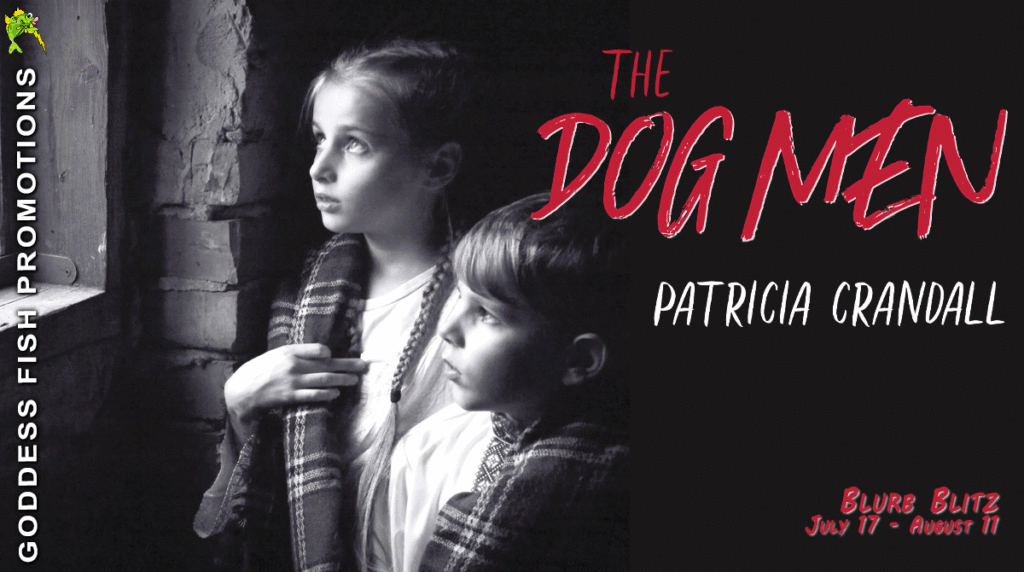
The Dog Men by Patricia Crandall – Spotlight and Giveaway

This post is part of a virtual book tour organized by Goddess Fish Promotions. The author will award a $25 Amazon/BN GC to a randomly drawn winner. Click on the tour banner to see the other stops on the tour.

Ten-year-old Wyatt and eleven-year-old Hannah uncover the dark world of illegal dog fights when they trespass at a Vermont farm and peep through a barn window. And when crotchety old Lester Cranshaw’s dog, Paddy, turns up missing, there is no holding him back from investigating the situation and the kids join in. In the dead of the night, after the trio are captured and held hostage at the Inglis farm, Wyatt will need all of his wits and courage to escape in order to save the lives of his friends. THE DOG MEN draws the reader into a tempest of animal abuse, lawlessness, and kidnapping within the confines of small-town happenings. A chilling plot and a peerless relationship between kids, adults and pets.

Enjoy an Excerpt

Wyatt watched Mrs. Forbes drop apples and oranges into brown paper lunch bags. Then came two bananas.

He frowned. “Won’t the sandwiches get crushed, Mrs. Forbes?”

Her hand stopped in mid-air. She reached into the bags to adjust the distribution of food. “Satisfied?” She smiled.

“Yea.” Wyatt swiped the cowlick bangs away from his forehead.

“I’m not happy, Mom,” eleven year old Hannah piped up. “How about peanut butter cups and Kit-Kats?”

“You two are breaking me down.” Cleo Forbes shook her head. “I’ll put in candy if you promise to eat the fruit. Just don’t toss it.”

“We’ll eat everything.” Wyatt smacked his lips.

The phone rang and Wyatt watched Mrs. Forbes turn her back to answer it. He heard the loud, whining voice of old Miss Filmore. He inched over to the peninsula and reached into the candy bag, tossing more chocolate into the lunch bags.

Hannah covered her face to smother giggles.

“I don’t know what’s going on,” Cleo said as she returned to the peninsula and greased a cake tin. “But a hike and fresh air will do you both good. Wish I could join you.” She sighed. “At least I’ll get the wool sweaters and blankets aired on the line. It’s a perfect day for doing that.” She started taking stuff out of the cupboards. “And, don’t be late like last time. You scared me half out of my mind! When it got dark, I really worried.”

“I’ll make sure we’re back on time, Mrs. Forbes,” Wyatt zipped his lunch into his black knapsack. Hannah’s mom was really nice and made terrific brownies, but she was an awful worrier. It wasn’t dark yet when they got back. Not really. “Come on Hannah. Hurry up.”

She was shoving stuff into her backpack. Just like a girl to bring all that. Hannah went out the door ahead of him and Wyatt hesitated. “Mrs. Forbes? When did you say my mom and dad are coming home?”

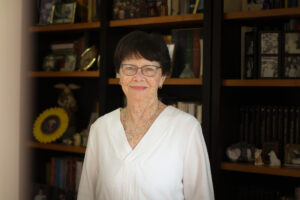
About the Author:Patricia Crandall is the author of nine books, and a 2023 winner of the Besties of the Capital Region Awards, Author Category. Her latest book, “Lacey O’Dunn, The Rookie,” is a crime/thriller involving drugs and car bashing senior citizens on icy winter roads. She has also published numerous articles and short stories in various magazines and newspapers. Her book, “The Dog Men,” third edition was also just released. Patricia is a member of Sisters in Crime (Mavens) and National Association of Independent Editors and Writers. She lives with her husband, Art, and a rescue cat, Bette, at Babcock Lake in Grafton Mountains near Petersburgh, New York. She has two children and three grandchildren who live nearby.
Website | Facebook | Twitter | Instagram

Buy the book from Amazon.

a Rafflecopter giveaway

Author Interview: Ted Galdi

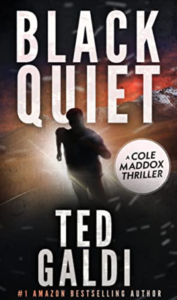
Long and Short Reviews welcomes Ted Galdi who is celebrating the recent release of Black Quiet, a Cole Maddox Action Thriller, and the upcoming release of Razor Moon, scheduled for release on August 22.

All of his books, and short stories, are thrillers. However, there are a lot of kinds of thrillers, ie, sub-genres, and his stories are in quite a few.

“Thriller sub-genres are pretty distinctive, so even though all my stories are part of one genre, there’s a lot of variation between them,” he told me. “For example, an action thriller and a psychological thriller may have some commonalities, but the types of characters and plot events can be very different.

“Action thrillers tend to feature main characters highly skilled in combat, who willingly take on dangerous opponents, while psychological thrillers tend to feature main characters without any formal combat training, who fall involuntarily into dangerous situations.”

We asked the author, “How do you develop your plot and characters?”

“Usually, I’ll start coming up with an idea for a story by thinking about some aspect of the world I want to comment on. I’ll then think about how to dramatize my view on this aspect of the world. The characters and plot start coming along from there,” he said. “For example, with my book Lion on Fire (free on Amazon), I wanted to comment on how modern-day college graduates deal with adjusting to life in the adult world. Naturally, a recent college graduate became the main character. To add contrast to the story, the central supporting character became another young guy who viewed adult life very differently than the protagonist. The plot started coming along once I paired these two characters together and thought about how they’d interact in a big city.”

When it comes to plot or characters coming first, Ted said it doesn’t matter which one you focus on first. In the Lion on Fire example above, he had a general sense of two major characters before the plot started developing. Then, once he began building the plot, that gave him ideas for other characters.

He explained, “I made the two initial characters limo drivers who wind up transporting people to underground gambling events in Manhattan. Once I knew they were involved in that world, I came up with a character at the limo company, their boss, and a character who ran the gambling events. Once I had a good sense of how those characters behaved, I got more ideas for plot events.”

He added that the flow could easily work the other way around, where you think of a plot event first, and then picture a type of character who could make for a lot of drama at the center of that event. Things progress from there, with the characters helping build the plot and vice versa.

“What is your work schedule like when you are writing?” I wondered.

“On first drafts, I aim for 2,000 words a day. I don’t always get there, but I’m usually in the ballpark. I tend to do this five days a week. I start pretty early in the day, after breakfast. Before I even get to this stage, I put together a pretty detailed outline. When it’s time to write the actual chapters, the outline really helps. Various connections between scenes have already been figured out. When you’re writing a scene, you can just focus on it, not how it fits into broader plot threads.”

Finally, I asked, “What did you want to be when you grew up?”

“I did know I wanted to be involved in storytelling since I was pretty young. As a kid, that wasn’t all though. I of course wanted to play on three different professional sports teams too. The storytelling thing happened, but I’m still waiting on the sports contracts. New York Yankees – if you’re hiring, email me.”

Cole Maddox just moved back to his hometown in Montana after leaving the Army’s most elite unit because his superiors lied to him. But his town has changed. A ruthless gang of bikers has flooded it with fentanyl, and when Cole’s brother defies them, they put him in a coma.
Big mistake.

Cole unleashes his arsenal of Special Forces skills to take them down. However, he soon learns the gang is only the bottom layer of a criminal network much larger and deadlier than he imagined.

Can Cole get justice for his brother while keeping himself and those closest to him alive? Find out in this fast-paced, adrenaline-surging thrill ride. Available for Kindle, including Unlimited, paperback, and audio – get your copy.

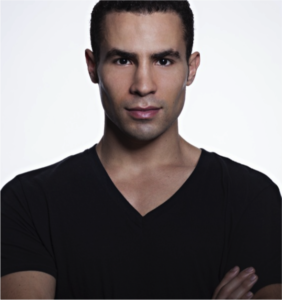
About the Author: Ted Galdi writes suspenseful, smart crime thrillers. His goal is to get your blood and brain pumping when you read his novels and short stories.

He’s a winner of a Reader Views Reviewers Choice Award and a Silver Medal in the Readers’ Favorite Book Awards. His titles have hit #1 on Amazon bestseller charts.

Ted has been featured in interviews by ABC and FOX television, iHeart Radio, and other media outlets.

In addition to writing, he teaches online courses to help other writers improve their skills.

To download a free book, and take his free intro writing course, visit his website.

Website | Facebook | Instagram | TikTok | Twitter | Goodreads | Pinterest

Buy the book at Amazon.

What would I tell a new author? by Robert Creekmore – Guest Blog and Giveaway

This post is part of a virtual book tour organized by Goddess Fish Promotions. Robert Creekmore will be awarding a $10 Amazon or Barnes and Noble GC to a randomly drawn winner via rafflecopter during the tour. Click on the tour banner to see the other stops on the tour.

What would I tell a new author?

I would tell them to sit their ass in a chair and write.

I’m always astounded by the way writers are portrayed in television and movies. It’s as though, whatever comes out of their typewriter or printer is the finished product, ready to be handed over to an eagerly waiting agent or publisher upon their completion. No rewrites or revisions are necessary. We skip ahead a few months where they’re lavished with praise for the new edition to their evergrowing oeuvre. Guess what? That shit doesn’t happen. Writing is a messy business because what we do is take the inner workings of fallible human minds and whittle down an idea to a lean state that can be packaged between two covers and hopefully sold as something besides stiff toilet paper or a spacer for a short table leg.

There is no secret to writing besides hard work. I speak with new writers all the time who tell me that they’re not writing momentarily because they’re, “waiting for inspiration.” That’s a horseshit excuse to be lazy. In writing, as in most art, inspiration rarely comes at a random moment. Instead, I often find myself most inspired when I’m deep in the process itself. Sure, there are entire chapters in my novels that were written while running or showering, but they’re more akin to spillovers from the previous night’s writing session. Once my mind has a moment to calm itself, the new bits that were begging to break through the prior evening stumble out like drunkards into the street after Saturday night’s last call. Had I sat on my hands instead of engaging them on my keyboard, I would have never finished my first novel, let alone be writing my fourth.

There is no wrong or right to it otherwise. Unfortunately, I cannot provide you with insights as to what creativity is, exactly. I cannot because I don’t understand it. My brain spins ideas like an out-of-control Rolodex of free associations. The bizarre connections I make between them happen somewhere behind the scenes of my gray matter. Practice can improve your ability to access it, but I believe a substantial portion of it is endemic to the neurology of the individual. That you can’t control. The only thing you can do is keep working and never, ever give up.

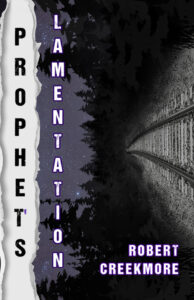
Two years after Naomi murdered the serial killer and rapist Vernon Proffit, she is attempting to adjust to a quiet life with her wife, Tiffany. But Vernon’s flock is not done with her. Under new leadership, their numbers have swollen as they morphed from a single entity into a network of cultists called Apostles of the Cloven Hand.

Naomi has suppressed her abilities since killing Vernon, but she cannot ignore the voices of the young people the new flock tortures and molests. They scream for help in her dreams every night, causing her to question her own sanity.

When she uses her long-dormant abilities to stop an attempted gay-bashing, Naomi’s true identity is exposed. The cult sends an assassin to kill Naomi and her family, forcing them to flee the state while the Apostles move to take everything the family has built.

Naomi fought the cult before and won. But that was before she had her chosen family to worry about. Now, she must choose between hiding on her own to keep her family safe or fighting back to destroy the Apostles. If she hides, the Apostles will continue to victimize those near them. If she fights, her family will be at risk of the same fate they plan for Naomi.

Enjoy an Excerpt

“Even after your enemies’ defeat, they are still with you.”

Those are Nate’s words. I hear them whenever I wake up screaming and fighting in the middle of the night. Tiffany has similar episodes.

How do you build an ordinary life when you’re not, well, ordinary? Terror and fury molded me for eleven years. That abruptly ended with the death of Vernon Proffit and his acolytes. Sure, there was a period of celebration following. After vengeance, the anger never completely subsides. Don’t interpret that as regret; some motherfuckers need killing.

What bothers me is that before I fed Vernon to the Atlantic Ocean, the screams that woke me were my own as I relived trauma.

The abilities my guide, Mara, gifted me are still intact, but I choose to shut myself off from them. However, now something new comes pulsing forth from the ground that I have no control over. I’m stirred from sleep by the horrors others are experiencing. They cry out for help, but I don’t know how to save them. Mostly, they’re abused young people. Their voices drive me mad. If I could only find them, maybe I could stop their suffering. Last night, it was a young man named Vincent. I couldn’t see where he was. I could only hear him wail in pain as he experienced abject hopelessness.

But I attempt to tarry forward.

Today, I should be happy. It’s July twentieth, two-thousand-six; my twenty-seventh birthday as Naomi Pace. Legally, as Hannah Sillman, I’m thirty-four and will turn thirty-five on Christmas day. That birthday is celebrated more ominously, as the real Hannah rests with her mother, Milly, under an old oak tree high up in the hills of Yancey County. Her father, Al, gifted me with this new life by giving me her identity for my eighteenth birthday. He was more of a father than my own, Amos, who beat me mercilessly when he found out that I was in love with Tiffany. I still am. Their hate and violence couldn’t destroy that.

I won. Why am I still so sad? Why do I disregard my own life, feeling guilty about those I couldn’t save, like Charles? He died during our escape. There was nothing I could do. I know that, logically, but I can’t convince my heart of it. It eats at me with each heartbeat, saying, ‘you could have done more.’ It does so now, at four-thirty in the morning. I’m sitting up in bed with no one to speak with. I don’t dare wake my beautiful bride, Tiffany, as she sleeps soundly next to me.

About the Author:Robert Creekmore is from a rural farming community in Eastern North Carolina.
He attended North Carolina State where he studied psychology. While at university, he was active at the student radio station. There, he fell in love with punk rock and its ethos.

Robert acquired several teaching licenses in special education. He was an autism specialist in Raleigh for eight years. He then taught for four years in a small mountain community in western North Carolina.

During his time in the mountains, he lived with his wife Juliana in a remote primitive cabin built in 1875. While there, he grew most of his own food, raised chickens, worked on a cattle farm, as well as participated in subsistence hunting and fishing.

Eventually, the couple moved back to the small farming community where Robert was raised.

Robert’s first novel Afiri, is a science fiction love letter to his childhood hero Carl Sagan. It was nominated for a Manly Wade Wellman award in 2016.
Robert’s second novel is the first in a trilogy of books. Annoyed with the stereotype of the southeastern United States as a monolith of ignorance and hatred, he wanted to bring forth characters from the region who are queer and autistic. They now hold up a disinfecting light to the hatred of the region’s past and to those who still yearn for a return to ways and ideas that should have long ago perished.

Buy the book at Amazon.

a Rafflecopter giveaway

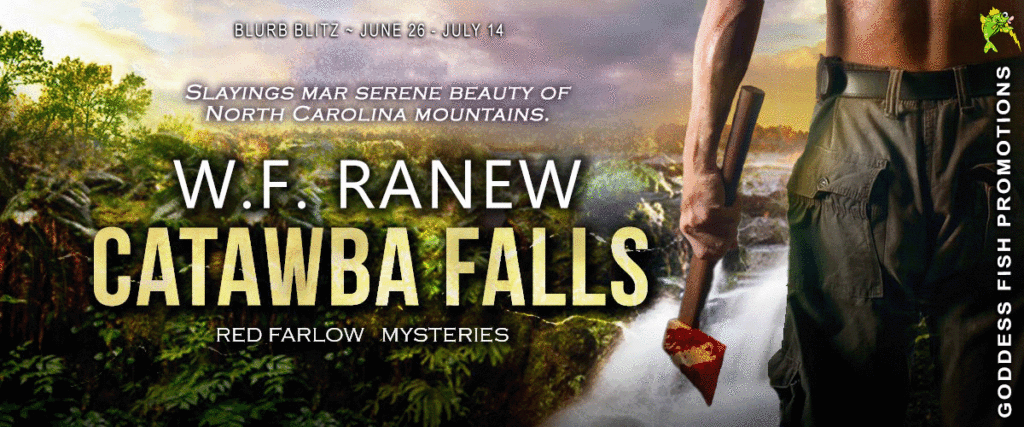
Catawba Falls by W.F. Ranew – Spotlight and Giveaway

This post is part of a virtual book tour organized by Goddess Fish Promotions. W.F. Ranew will be awarding $10 Amazon or Barnes and Noble GC to a randomly drawn winner via rafflecopter during the tour. Click on the tour banner to see the other stops on the tour.

PI Red Farlow travels to Camp Ridgemont for Boys for a reunion with his summer camp friends. On arrival, he discovers two camp counselors in the woods, hacked to death. Red’s investigation soon widens with more mysterious deaths, one of them a close friend.

Far-right extremist Troy Unsworthy knows the hills and hollows after a lifetime of growing up in these mountains. Red soon learns all the victims are connected to Unsworthy in the years leading up to a deadly auto accident.

When he learns Unsworthy was released just before the counselors’ deaths, Red goes into the mountains. His trek requires sure-footedness over rocky terrain and old-growth forest as he explores caves with endless tunnels, shafts, and deep-water pools searching for his suspect.

But, did Unsworthy really murder these people, or should Red turn his attention to other suspects?

Red treads a treacherous path on his quest to find the killer and bring him to justice.

Enjoy an Excerpt

Death visited late in the day. I came upon the human tragedy the following morning.

Near Kitsuma’s summit, a steady breeze rustled trees and bushes hugging the mountainside. Spring in North Carolina meant comfortable temperatures during daylight. Standing there, I felt the night’s lingering chill.

Years had passed—fifty or more—since I’d tramped the mountain’s footpaths.

Two dozen of us searched the area late the previous evening but had gotten nowhere near the summit. We resumed our task along the rigorous trail on the Old Fort side well before dawn. . .
We covered areas unreachable in the previous night’s outing. Two hours later, I came upon the campground, forty yards down a side trail and near a cove of rhododendron and mountain laurel.

The scene’s horror struck deep, painted in strokes of surreal hues. The blood, in the dim light, bore a black pigmentation. One young man’s skin tone paled to a faint glow reflecting his orange rain parka.

Two light-green pup tents stood side by side. One caved in toward the back; the other seemed undisturbed.

I looked around for the second camp counselor. Raking the mountainside, my gaze focused on something resembling a yellow night safety vest. I made my way downhill.

Soon enough, I came across another grisly scene. The young man’s head cocked at a strange, unnatural angle as he sprawled belly down in the bushes and leaves. The blood wasn’t as apparent with him as the fluid had seeped into leaves and pine needles beneath him.

Something tilted out of his left hand—a cell phone.

About the Author W.F. Ranew is a former newspaper reporter, editor, and communication executive. He started his journalism career covering sports, police, and city council meetings for his hometown newspaper, The Quitman Free Press. He also worked as a reporter and editor for several regional dailies: The Augusta (Ga.) Chronicle, The Florida Times-Union, and The Atlanta Journal-Constitution.

Ranew has written two previous novels: Schoolhouse Man and Candyman’s Sorrow.

He lives with his wife in Atlanta and St. Simons Island, Ga.

Buy the book at Amazon.

a Rafflecopter giveaway

Background of the Book by Luki Belle – Guest Post and Giveaway

This post is part of a virtual book tour organized by Goddess Fish Promotions. Luki Belle will be awarding a $25 Amazon or Barnes and Noble GC to a randomly drawn winner via rafflecopter during the tour. Click on the tour banner to see the other stops on the tour.

Background of the Book

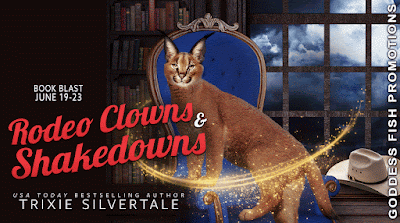
The Delicate Affair of Colonel Baquiste (TDACB) is a story from a fictitious colonization era set within two fictitious nations, Hastan and Llehstanz, nevertheless, the human elements showcased in this novel are very real and pertinent to our current times.

I wrote TDACB because of my personal life experiences having been born and grown up in post-colonial countries, having been on the receiving end of hate, racism, and prejudice. Call it a means to self-heal with an aspiration to believe that it is possible to overcome prejudice if we recognize that in our human imperfections lie the opportunity for change and the power to choose towards a positive outcome. If we were perfect and absolute, change would not be possible, if we all put our anger out into the world it would be destructive. But, if we helped ourselves compassionately, we would inevitably help others positively. It all begins with self-healing and the means to do that is to learn to change our psychological masks by allowing ourselves to immerse in another person’s world, to view the world through a different lens, to take off, even if momentarily, any forced uniform and imposed roles and to disguise ourselves, if only to catch a glimpse of our own former self and to understand the world from a different perspective.

In TDACB, the Colonel goes under disguise to fulfill a military mission while immersing himself in the same society that was conquered by his nation, by the military of the Llehstanz Monarchy. Under the disguise of naturalist Gulaan Dasmire, is the Colonel able to see his actual self (Valstohl Baquiste) and begins to reconcile Valstohl’s tragic past. The persona of Gulaan and Valstohl are examined by the Colonel only in disguise which ultimately leads to Colonel Baquiste’s delicate change of heart and allows him to reconcile his past grief.

Things could have gone very differently for the Colonel if he chose differently. What I beautifully learned while writing TDACB, which holds true to my personal experience is that positive messages are never the loudest. They are usually the gentle nudges you get in the journey of life, coaxing you into choosing towards beneficial progress. I depict this in several ways throughout my novel (no spoilers), to nudge the Colonel into accepting something he has been consciously, subconsciously, and unconsciously denying or has been avoiding. In contrast, I have found from my personal experiences that negative factors scream the loudest and the Colonel sure had his share of tragic events that impacted him.

All the other characters in TDACB are also forced to choose. Master Jeshn Yervaan’s choice mattered the most and I have found myself asking many times how I would have chosen differently if I were him. Important to note that there were domino effects from decisions that were made by Colonel Baquiste and Jeshn Yervaan. This is also pertinent to our lives because we do not exist in isolation, and we must try our best to assess how our individual choices can affect those directly and indirectly connected to us. We are all empowered in some way or another to choose. Even a child is empowered to choose as is shown by the Hastana boy Chamcham who is at the center of the tense relationship between Gulaan (Valstohl) and Jeshn. While the boy is impacted by choices made by the adults around him, he too is empowered, and he makes a couple of bold and brave decisions.

Now to choose we must observe first, and this is another important aspect in TDACB. The act of observation is a key trigger to most events in the novel starting with a very subtle act of observation hinted at, at the very beginning, which is explained at the very end. I believe that what we observe is impacted as much as we who are observing are impacted. An observation does not have to last for minutes or hours, it could be in a matter of seconds, and it is about what gets transpired, in that split moment, by what observes you or what you observe. Our brain is super powerful, and it does make very fast decisions. See if you can identify the key observation trigger that started off the story for Colonel Baquiste when you get near the end.

Layering upon the theme of observation and in conjunction with the act of being in disguise, the Colonel is able to observe himself objectively as Valstohl while being in disguise as Gulaan. Many monologues are possible for the Colonel only through this means and it is ultimately his way to reconcile tragedy and prejudice.

Finally, in the path to self-healing and or reconciliation it is important to be empathetic to oneself as well as to others who impacted you negatively. To do this one must try to imagine. It is easy to create the negative story about what is unknown to fill in the gaps, the brain does not like gaps, and it will create its own story to be able to happily put away something that is nagging or is open ended. In TDACB, I intentionally create a latitude for the reader to be able to imagine the past of the characters and the events that could have led to an outcome, which the Colonel experiences. The reader can imagine Valstohl Baquiste’s military past, the Yervaans’ past, what led to Lieutenant Colonel Brune Farmagash’s decision in chapter 13. Even the Colonel is forced to imagine what happened to his father and what decisions could have led to the fateful night at the Yervaan palace many years ago from the present moment in the story.

Imagination keeps us alive, and it can also get us into trouble, but it has the beauty and the potential to make us empathize with another when we do not know what led to another human’s actions and words. Imagination is a powerful tool if we can use it positively.

The setting: two fictitious nations, Hastan and Llehstanz, in a past imaginary era of colonization.

The Llehstanz Monarchy won its final battle over Hastan to colonize the nation after years of war. The battlefield charge was led by a reputable, young, ruthless, and handsome Colonel Valstohl Baquiste. Highly skilled but equally arrogant, he holds a prejudice against the people of Hastan. Tragically, Colonel Baquiste was unexpectedly attacked during the last battle leaving him physically disabled. Realizing his military life is over, the embittered Colonel Baquiste awaits his dismissal to return to Llehstanz. However, he is offered a second chance for victory.

Colonel Baquiste is called back to military duty on a secret mission. He must go alone in disguise to capture elusive thugs terrorizing the Llehstanzite regiment. In accepting the mission, Baquiste realizes he is no longer fighting an enemy on a battleground when he travels to stay at the palace of renowned Southern Hastana landowner, Sir Bojeshnomaan Yervaan. Yervaans’ sinister nature ensnares Baquiste while the delicate assignment compels him to confront his tragic past and his prejudice against Hastanas. If the ambitious Colonel wants victory, it will require him to use not just his grit but also his heart.

Enjoy an Excerpt

I would take your place if you ordered me Valstohl. You still have five hours to get on that ship and go home. Let Masim clean up this mess on his own reputation, this is not your problem. And if you fail then he will just find another officer and keep trying. Your life is not worth this! Go home, start a family, you are the only Baquiste heir. Don’t take this mission!

About the Author:Luki Belle works in the media industry. Storytelling was a fixture from childhood when she would listen to stories told by her grandparents, parents, sisters, and cousins who would read to her from diverse cultural fiction books. Growing up, Luki was fortunate to live in various parts of the world and experience beautiful cultures. During this time, she embraced and appreciated diversity among people while recognizing through love, overcoming pain, or grief, one can truly bond with others leading to unimaginable positive outcomes.
Facebook

Buy the book at Amazon or Barnes and Noble.

a Rafflecopter giveaway

Rodeo Clowns and Showdowns by Trixie Silvertale – Spotlight and Giveaway

This post is part of a virtual book tour organized by Goddess Fish Promotions. Trixie Silvertale will be awarding a $75 Amazon or B/N GC to a randomly drawn winner via rafflecopter during the tour. Click on the tour banner to see the other stops on the tour.

Front row seats to murder. Thousands of eyewitnesses. Can our psychic sleuth trust her own eyes?

Mitzy Moon is loving life after the honeymoon. And as part of their agreement to try new things, she’s happily whooping it up at the local cowboy competition. But the newlyweds get roped into yet another investigation when their date night ends with a dead rodeo clown.

As her new husband’s history with the prime suspect’s wife tests all loyalties, Mitzy struggles to balance jealousy with keeping her man out of the hoosegow. And now she’ll need saddlebags of extra help from her mentor, Ghost-ma, and her entitled feline to unhorse the ruthless culprit.

Can Mitzy and Erick wrangle all the clues, or will spurious accusations bring a deadly showdown?

Rodeo Clowns and Shakedowns is the second book in the hilarious new paranormal cozy mystery series, Harper and Moon Investigations, a spinoff from the popular Mitzy Moon Mysteries. If you like snarky heroines, supernatural intrigue, and a dash of romance, then you’ll love Trixie Silvertale’s bucking brainteaser.

Buy Rodeo Clowns and Shakedowns to lasso a killer today!

Enjoy an Excerpt

“Grams, for the millionth time, I’m not going to wear a cocktail dress and Jimmy Choos to watch a parade at the over-heated, sweaty end of June!”

“You’re the one who said ‘no’ to the sundress and the strappy sandals. That outfit would’ve looked fantastic with your snow-white hair twisted into a few soft curls. Once you turned that one down, what did you expect me to do?”

I roll my grey eyes heavenward and sigh. “Oh, I don’t know. Maybe I was living under the foolish fantasy that you would choose shorts, a T-shirt, and some comfortable canvas tennis shoes!”

“And waste all this gorgeous clothing?” Her apparition dims with disappointment.

Lying flat on the padded mahogany bench in my museum for fashion, I stare up at the cedar-lined ceiling and toss out my objection. “Look, Grams, I’m not looking to impress anyone. I’ve already landed my once-in-a-lifetime guy.”

Ghost-ma lived her life to the fullest, and that definitely included a laundry list of ex-husbands — with no regrets. She passed on her joie de vivre to me, but I prefer to keep my list to one.

“Don’t be so quick to judge, sweetie. No one knows what the future holds.”

“Grams! I feel like we’ve had this discussion more times than necessary. You know the rules! If these lips aren’t moving, you’re not allowed to comment. Absolutely no thought-dropping.”

Before I can continue my lecture, our resident fur baby slinks out from under the bench, rises on his powerful hind legs, and drops something on my bare leg.

The feel of it against my skin is unpleasant, and I tilt my head up from the bench to get a better look . . .

CONTINUE READING HERE: https://readerlinks.com/l/3460643

About the Author:

USA TODAY Bestselling author Trixie Silvertale grew up reading an endless supply of Lilian Jackson Braun, Hardy Boys, and Nancy Drew novels. She loves the amateur sleuths in cozy mysteries and obsesses about all things paranormal. Those two passions unite in her Mitzy Moon Mysteries and Harper and Moon Investigations, and she’s thrilled to write them and share them with you.

Website | Amazon Author Page | BookBub | Instagram
| Facebook

Buy the book at Amazon.

a Rafflecopter giveaway

Secrets of the Cozy Mystery Genre: A Journey into Whodunits with a Twist by Kirsten Weiss – Guest Blog and Giveaway

This post is part of a virtual book tour organized by Goddess Fish Promotions. Kirsten Weiss will be awarding a $10 Amazon or B/N GC to a randomly drawn winner via rafflecopter during the tour. Click on the tour banner to see the other stops on the tour.

Secrets of the Cozy Mystery Genre: A Journey into Whodunits with a Twist

My favorite genre to read and write is the cozy mystery—a world of charming small towns, clever amateur sleuths, and tantalizing puzzles that keep readers captivated until the final page. It all started when I picked up my first Agatha Christie, the queen of cozies.

Here are some of the secrets that make cozy mysteries so uniquely beloved among readers.

The Quaint Setting: One of the signature elements of cozy mysteries is the idyllic and picturesque setting. Whether it’s a cozy coastal town, a charming English village, or a quaint countryside, the setting becomes an integral part of the story, almost like a character itself. Readers are transported to a place where neighbors know each other, tea is always brewing, and a sense of community pervades the air.

The Amateur Sleuth: Unlike traditional mysteries, cozy mysteries feature amateur sleuths who stumble upon crimes and take it upon themselves to solve them. These relatable and endearing protagonists may be librarians, tearoom owners, Tarot readers, or even retired school teachers—ordinary people with an extraordinary knack for uncovering secrets. Their amateur status adds an extra layer of charm and authenticity to the stories.

Whodunit with a Twist: While the cozy mystery genre typically eschews graphic violence and gore, it compensates with intricate puzzle-solving and engaging plot twists. Readers are challenged to unravel the mystery alongside the amateur sleuth, sifting through clues and red herrings, until the final reveal leaves them gasping with surprise and satisfaction. Cozy mysteries are all about the intellectual thrill of putting the pieces together.

An Engaging Cast of Characters: From quirky best friends to eccentric town residents, cozy mysteries are populated with a colorful array of characters who add depth and humor to the narrative. These secondary characters often have their own secrets and quirks, creating a rich tapestry of relationships that enhances the overall storytelling experience.

Themed Coziness: Another secret ingredient of cozy mysteries is the incorporation of cozy elements that readers can’t help but fall in love with. Whether it’s the inclusion of mouthwatering recipes, tea rituals, knitting circles, book clubs, or gardening tips, cozy mysteries offer readers an escape into a world of comfort and relaxation, where everyday activities become an integral part of the narrative.

The Power of Connection: Cozy mysteries foster a sense of camaraderie and connection between the reader and the characters. As we follow the amateur sleuth on their journey, we become emotionally invested in their lives, their triumphs, and their struggles. We celebrate their victories and feel their heartache, forging a bond that keeps us coming back for more.

Whether you’re curling up on a rainy day or seeking a comforting escape from the hustle and bustle of life, cozy mysteries offer a delightful refuge where puzzles are solved, justice is served, and the human spirit triumphs.

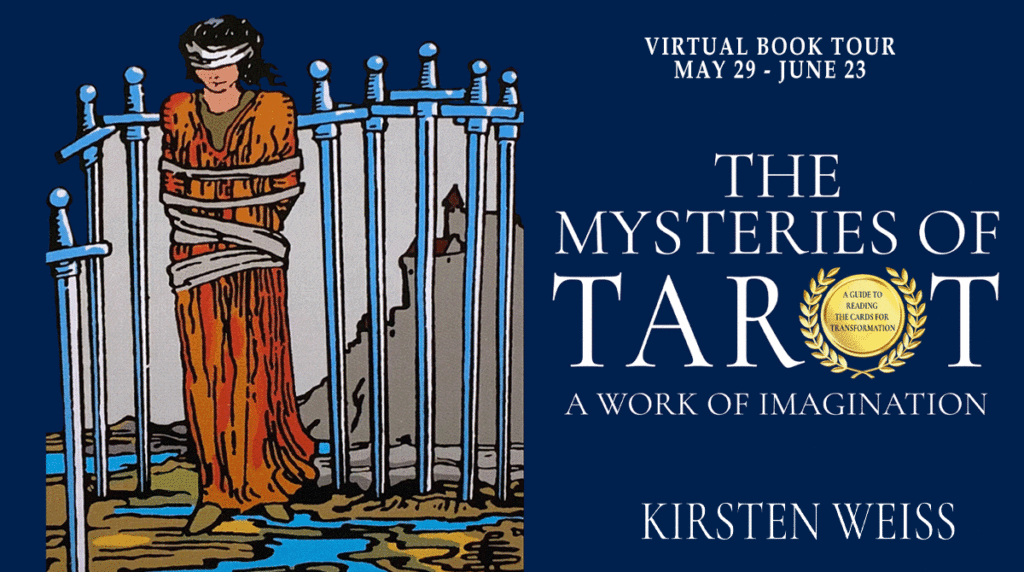
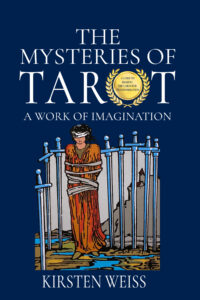
My newest book, The Mysteries of Tarot, is experimental mystery fiction: part Tarot guidebook/part murder mystery. It’s a supplement to my Tea and Tarot cozy mystery series, which begins with Steeped in Murder. And it’s ostensibly written by Hyperion Night, the Tarot reading half of the series’ amateur detecting duo.

Happy sleuthing!

The Mysteries of Tarot: A Work of the Imagination

How to Read the Cards for Transformation
When Tarot reader Hyperion Night sent his manuscript, The Mysteries of Tarot, to a friend to edit, it was a simple guide to reading Tarot. Hyperion couldn’t anticipate that his editor’s notes would evolve into a murder mystery, or that his friend would go missing. Shockingly, the annotated manuscript eventually made its way back to Hyperion, who forwarded it to the authorities.

Now this astonishing Tarot guide is available as a book. The Tarot guidebook features:
• Tarot basics―How to manage different interpretations of cards in a spread, how to read court cards, and a clear and simple method for dealing with reversals.
• Detailed card breakdowns― Keywords, flash non-fiction narratives, and a deep dive into the symbols of each of the 78 cards of the Major Arcana and Minor Arcana.
• Questions to apply to the cards for transforming your life―Insightful questions for each card to help you dig deeper into your Tarot reading practice.

Bonus feature: the guidebook also includes his editor’s comments on the more esoteric and philosophical interpretations of the Tarot, as well as his notes on the baffling mystery that engulfed him.

Gain deep insight from the cards, transform yourself, and solve The Mysteries of Tarot with this work of experimental fiction that’s part Tarot guidebook, part murder mystery.

Enjoy an Excerpt

The Moon

Messages from the unconscious. Mystery. Confusion. Dreams. Illusion.

Last night, I dreamt of a departed aunt I’d had a contentious relationship with. She walked down the hallway of my apartment and sat beside me in the living room.

Suddenly I remembered she was dead and understood I was dreaming. But instead of the dream ending, like it usually does when I become aware, we talked—the kind of talk we’d never been able to have when she was alive. She apologized for some things she’d said and done and helped me understand why she’d said and done them. And her reasons weren’t awful. They made a lot of sense.

I apologized too, because I hadn’t been innocent in the turn our relationship had taken. We forgave each other. I woke up feeling lighter. Free.

The Symbols

I’m still not sure if it was “only” a lucid dream or a visitation from my relative. I don’t know if it matters. It was all very lunar, very moonlike. And not just because the Moon card can represent dreams. Moons with their waxing and waning also represents illusion and confusion, messages from the subconscious crawling up out of the muck like that lobster creeping from the water in the card. A dog and a wolf, representing the refined conscious and the more primitive subconscious, howl at the moon’s light.

And all of those things had been at play in my life. I’d created a false—or at least incomplete—story in my mind of the cause of my estrangement from my relative (illusion/confusion). But the truth bubbled up from my subconscious in last night’s dream. If it hadn’t, I’d still be carrying that burden.

What Does This Card Mean for You?

When the Moon card appears in a Tarot reading, it suggests we may not be seeing things clearly. But the truth is out there — or in there, as the case may be.

How can you bring your subconscious impulses or knowledge into conscious light? The road between the two towers in the card is long, dark, and winding. Have patience. Be brave.

Notes: The Moon

44 As to The Moon, I feel like I’m swimming in it. At first my father’s death seemed like an accident, a fall from the balcony outside his bedroom. He’s been drinking more than usual lately. But the servants swear he wasn’t drinking that night. And the balcony railing is low. He could have fallen by accident.

I keep replaying our last conversation. Had he been thinking then of taking his own life? Was that why he’d come to see me? Because he knew I’d been a failure when I’d tried my hand at self-deletion? Maybe he wanted me to talk him out of it?

I don’t understand. But I’ll try to keep up with the daily edits, where I feel I have something to add. I need to keep my mind busy. -T

About the Author:Kirsten Weiss writes laugh-out-loud, page-turning mysteries, and now a Tarot guidebook that’s a work of experimental fiction. Her heroes and heroines aren’t perfect, but they’re smart, they struggle, and they succeed. Kirsten writes in a house high on a hill in the Colorado woods and occasionally ventures out for wine and chocolate. Or for a visit to the local pie shop.
Kirsten is best known for her Wits’ End, Perfectly Proper Paranormal Museum, and Tea & Tarot cozy mystery books. So if you like funny, action-packed mysteries with complicated heroines, just turn the page…

Twitter | Website

Buy the book at Amazon, Barnes and Noble, Google Play, Kobo, or iBooks.

a Rafflecopter giveaway

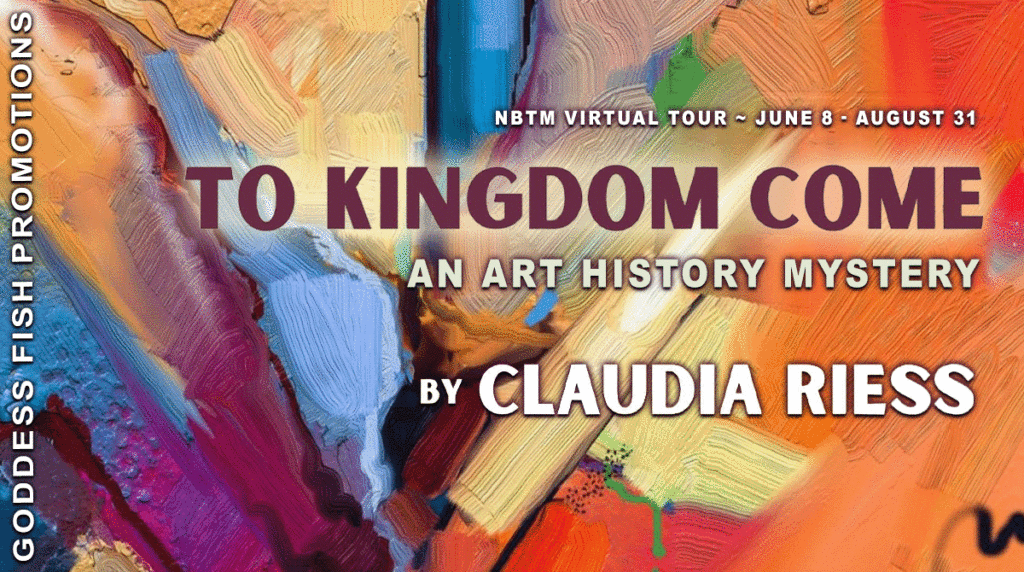
Backstory by Claudia Riess – Guest Blog and Giveway

This post is part of a virtual book tour organized by Goddess Fish Promotions. Claudia Riess will be awarding a $25 Amazon or Barnes and Noble GC to a randomly drawn winner via rafflecopter during the tour. Click on the tour banner to see the other stops on the tour.

Backstory
My introduction to the art world came at a very early age and was as much a part of the natural course of events as learning to read and being read to—Winnie the Pooh, Mary Poppins, Alice in Wonderland—and being told laugh-out-loud stories, ad-libbed by my father, about a little girl named Jeanie, clearly my alias, and her adventures with her anonymous daddy, clearly my own. And like bedtime stories, my introduction to art—my association with art—was, and is, bound up with family, with adventure, with safe harbor. It began with outings to museums. We lived in Brooklyn and a couple of the great ones were a short subway or car ride away: The Metropolitan, the Museum of Modern Art, the Frick. And typically these outings were followed by take-out Chinese food and talks around the kitchen table about what we had seen that day. We debated about which painter’s perspective best described the real world, and about what the real world really was. Color and light? Shape and dimension? And what about imagination? Created imagery? Inner reality that distorted the exterior world? Talks of the relative nature of beauty and truth were woven into these conversations, and all the while we were savoring our chicken chow mein and fried rice with lobster sauce.

Because of my background, for a good many years my idea of the art world was a romanticized one. It was not until later in life, after I’d written a couple of rom-com-like novels and murder mysteries, did I consider writing an art suspense novel. By then I’d learned a lot more about the art world: About how the price of art is virtually uncontrolled, dependent on the whims of collectors and dealers and the transient tastes and fads of the times. And on the seamier side: art ransomed, forged, used to launder money, stolen and sold on the black market. That the art world is, in fact, a world in which the most sublime of human instincts collide with its basest. What a great amalgam for fiction!

So I began to write my art mystery series. I’m a stickler for historic accuracy, so I take off from it, filling in the gaps with events that conform to its character, and therefore might have been. Then, in a butterfly-effect maneuver, I fast-forward to the present and drop a pair of resourceful lovers (I’m an incurable romantic) into the challenging set of circumstances that has evolved—multiple murders included—and see if the sleuthing duo can sort it out. For instance, in Knight Light, the third in the series, my inspiration came from two quotes. From the painter Marcel Duchamp: “Not all artists are chess players, but all chess players are artists.” And from World Chess Champion, Alexander Alekhine: “Chess for me is not a game, but an art.” Interesting! From there, I discovered that the two had actually been team-mates on the French chess team in the 1933 Chess Olympiad, and furthermore, that Alekhine’s death in 1946 has been considered a cold case to this day. My fiction took off from there, integrated with the facts.

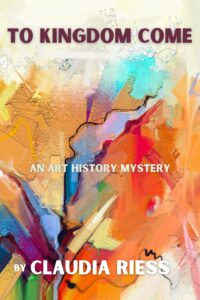
Although To Kingdom Come, the fourth and most recent book in the series, is basically structured on the same criteria as the three books before it, it’s the first one inspired not by a subject I was at least moderately in the know about, but by one that I was essentially unfamiliar with, that is, the Benin Bronzes. I knew that they existed, yes. I had seen several of these amazing works on exhibit. But it was not until I by chance came across a news article about African agents in the fields of the arts and government pressing for their return, that I was minimally clued in. I wanted to learn more. Although not my only source, Dan Hicks’s The Brutish Museums: The Benin Bronzes, Colonial Violence and Cultural Restitution was the main one, and the line that most made my blood boil and led me to writing To Kingdom Come is this: “The sacking of Benin City in 1897 was an attack on human life, on culture, on belief, on art, and on sovereignty.”

It took a while to drum up the courage to begin writing the book. I took notes, made outlines, procrastinated. I was afraid of being accused of either exploiting or trivializing the subject, especially in these understandably sensitive times, when writers engaged in the intimacy of fiction are apt to be criticized for stepping outside their lanes—of race, religion, social status, cultural heritage.

I asked myself how I’d feel if the tables were turned, if a fiction writer for whom the Holocaust is not directly related to their history—part of who they are—were to create a story in which the Holocaust is a pivotal plot point. I answered that provided they’re mindful of the sensibilities of others, it’s fine—welcome, really.

Anyway, as fellow humans, aren’t our histories from a broader perspective integrated, the divisions of “otherness” blurred? In the end, I decided it’s possible to preserve the sanctity of a group’s heritage without it becoming sacrosanct. We buy travel guides, we visit foreign lands, we read history books and memoirs, and write fiction. Why else if not to reach beyond our own frontiers in the hope of understanding what to others is familiar ground?

Amateur sleuths, Erika Shawn-Wheatley, art magazine editor, and Harrison Wheatley, art history professor, attend a Zoom meeting of individuals from around the globe whose common goal is to expedite the return of African art looted during the colonial era. Olivia Chatham, a math instructor at London University, has just begun speaking about her recent find, a journal penned by her great-granduncle, Andrew Barrett, active member of the Royal Army Medical Service during England’s 1897 “punitive expedition” launched against the Kingdom of Benin.

Olivia is about to disclose what she hopes the sleuthing duo will bring to light, when the proceedings are disrupted by an unusual movement in one of the squares on the grid. Frozen disbelief erupts into a frenzy of calls for help as the group, including the victim, watch in horror the enactment of a murder videotaped in real time.

It will not be the only murder or act of brutality Erika and Harrison encounter in their two-pronged effort to hunt down the source of violence and unearth a cache of African treasures alluded to in Barrett’s journal.

Much of the action takes place in London, scene of the crimes and quest for redemption.

Enjoy an Excerpt

“Dammit!” A mild curse barely audible, but loud enough to light up the frame around Timothy Thorpe’s image. “Sorry mates, bulb blew.” The overhead, it must have been, since the weaker source of light behind his computer was still there, softening his features and maybe for a millisecond the audience’s attentiveness as well, so that when the black line appeared just above his shirt collar it took another blip in time for brains to sort it out and reject the idea of a shadow cast by his desk lamp. Which would explain the silence before the first scream, coming from somewhere in the Zoom’s mosaic, a woman’s scream—mine, Erika realized. Likewise, a delayed reaction from Tim himself, gazing wide-eyed at the screen as if someone out there was experiencing the horror, not he himself, that is, before the black cord tightened around his neck and the impossible truth contorted his features like a funhouse mirror.

And then the silence turned into the Tower of Babel, witnesses reverting to their native tongues, as gloved hands—surely visible from the start!—tugged on the cord and disappeared behind Tim’s neck to knot or entwine or do whatever was planned or improvised to cut off Tim’s air, while Tim clawed at his neck in an attempt to free himself, mouth open in a parody of Munch’s The Scream, except in Tim’s version it was a cry for help mimed to the restless viewers filling his computer screen, twinkling with their useless babble like Christmas lights.

“Où est-il—where is he?” Monsieur Robert Labeque cried, his red cheeks deepening to scarlet, his returning to the group’s common tongue a sign that rational interchange was being restored.

“The museum—his office at the British Museum!” Ike yelled back, as if calling from across a football field. “He said they’re preparing an exhibit, staying late—I’ve got their unlisted number—seeing if I can rouse the damn security guards!” All the while fumbling with his cell phone. “They must seal off the exits. Museum doesn’t close for another half hour!”

“Bastard, we see you!” Harrison shouted at the nondescript torso, mostly hidden by Tim’s body, rigid against the chair-back while his hands flailed like a mad conductor’s. How many seconds had passed—ten, fifteen? A lifetime.

“Someone over there call 9-1-1—Olivia?”

“I’ve already put in the call—it’s 9-9-9 over here,” Olivia advised, her calmness, real or staged, a reminder that order was possible.

“I’m activating the recording option!” Ike bellowed. Shifting focus to his unresponsive phone, he shouted, “Hello? Hello?”

Harrison tapped on Thorpe’s name and spotlighted his square. Instantly it filled the screen. He dove for his cell phone. “Erika, take photos!”

His words sounded harsh, except she was thinking the same thing, already digging her cell phone out of her jeans pocket. “You video, I’ll take stills—oh God!” Outwardly, Tim had stopped struggling. But what was happening within? Her empathy was suddenly gripped by a primal curiosity, as if only by understanding Tim’s encounter with death could she prepare for her own.

“Go!” Harrison prompted.

The command cut off her connection to Tim like a dropped call, and she aimed her cell’s lens at his motionless figure in the more useful role as witness to a crime. As she prepared for the second shot, she realized that others were following Harrison’s and her lead.

On screen the assailant’s gloved finger pressed against Tim’s neck, feeling for a pulse. Apparently satisfied, he or she swiftly removed the cord from around the victim’s neck and made adjustments to the distribution of weight so that the body would not slump forward. Mission accomplished, the individual glided out of Tim’s camera range, leaving Tim, in jacket and neatly knotted tie, to stare blankly into space with only an angry red bruise above his shirt collar to suggest what had just happened to him.

About the Author:Claudia Riess is an award-winning author of seven novels, four of which form her art history mystery series published by Level Best Books. She has worked in the editorial departments of The New Yorker and Holt, Rinehart and Winston, and has edited several art history monographs. Stolen Light, the first book in her series, was chosen by Vassar’s Latin American history professor for distribution to the college’s people-to-people trips to Cuba. To Kingdom Come, the fourth and most recent, will be added to the syllabus of a survey course on West and Central African Art at a prominent Midwest university. Claudia has written a number of articles for Mystery Readers Journal, Women’s National Book Association, and Mystery Scene magazine. At present, she’s consulting with her protagonists about a questionable plot twist in Chapter 9 of the duo’s murder investigation unfolding in book 5; working title: Dreaming of Monet, scheduled for release winter 2024.

Website

All four books in the art history mystery series are available through Amazon.com, BarnesandNoble.com, IndieBound.org and at independent book stores. For bulk discount purchases, contact https://levelbestbooks.wordpress.com.

a Rafflecopter giveaway

Entheophage by Drema Deòraich – Spotlight and Giveaway

This post is part of a virtual book tour organized by Goddess Fish Promotions. Drema Deòraich will be awarding a $25 Amazon/BN GC to a randomly drawn winner via rafflecopter during the tour. Click on the tour banner to see the other stops on the tour.

Dr. Isobel Fallon thinks she’s found a treatment that will help her son and others suffering from Milani Syndrome, a rare neurological disorder. What she doesn’t realize is that harvesting the source of this treatment in the only accessible place on earth it grows, a coral reef in the Nlaan Islands, is going to have consequences far beyond the disruption of the fragile ecosystem on one small reef.
CDC researcher Nadine Parker and her team are baffled. Lukas Behn’s daughter Kyndra has contracted a bizarre new virus that leaves her screaming in pain. But they can’t identify any physical, biological source for that pain, not in Kyndra, nor in the dozens, then hundreds, and finally millions of children worldwide succumbing to the same virus. And no one seems to have made a connection between what’s happening with the infected children and the events on a small coral reef in the South Pacific.

Eventually, Nadine has to face the unlikely truth, and the enormous implications of it. The children aren’t sick. They’re changing. But will anyone else believe her?

Enjoy an Excerpt

T’nei translated for Isobel. “Why are you here?”

Isobel fought the urge to look at Travis. “To harvest a special coral from the reef.”

“No,” T’nei snapped. “Anyone could do that. Your men could do that. Why are you here?”

Isobel’s mind raced. What was Mtuji after? “I’m the lead scientist. I know which coral to harvest, and how it’s processed. Only I can do that.”

“Only you? Among all your people?”

Isobel pursed her lips. “No. But I’m the one who began this research in search of medicine for a very rare disease. I found what we needed in a special coral. I learned that coral grows here.” She paused. “I started this project. I came here to finish it.”

T’nei translated her words for Mtuji.

The other women murmured among themselves, staring at Isobel as if they could see through her, see the truth of the matter. The elders among them wavered. Some argued. The younger ones held their ground.

Isobel’s stomach knotted.

At length, the crone spoke aside to T’nei, who turned to Isobel.

“And if we say no, go home?”

Isobel’s jaw tightened. “Then we’ll go home, and I’ll start again. Find another way. But it took me years to find this coral. Thousands of children are born with this illness. None survive it.”

Mtuji absorbed her words in silence.

“What would you do,” Isobel went on, “if your children were born this way and I could save them? If you had to watch your children die because another nation’s leader denied me access to their reef?”

T’nei hesitated, then translated Isobel’s words.

About the Author: Drema Deòraich is a writer of speculative fiction that asks big questions. Her short stories have been published in numerous online journals, as well as a few semi-professional zines. Her debut novel “Entheóphage,” a medical mystery/climate fiction novel released in October of 2022, has been nominated for the 2023 Ursula Le Guin prize. Drema is still hard at work on her science fantasy trilogy, “The Founder’s Seed,” with plans to release book one in late 2023.
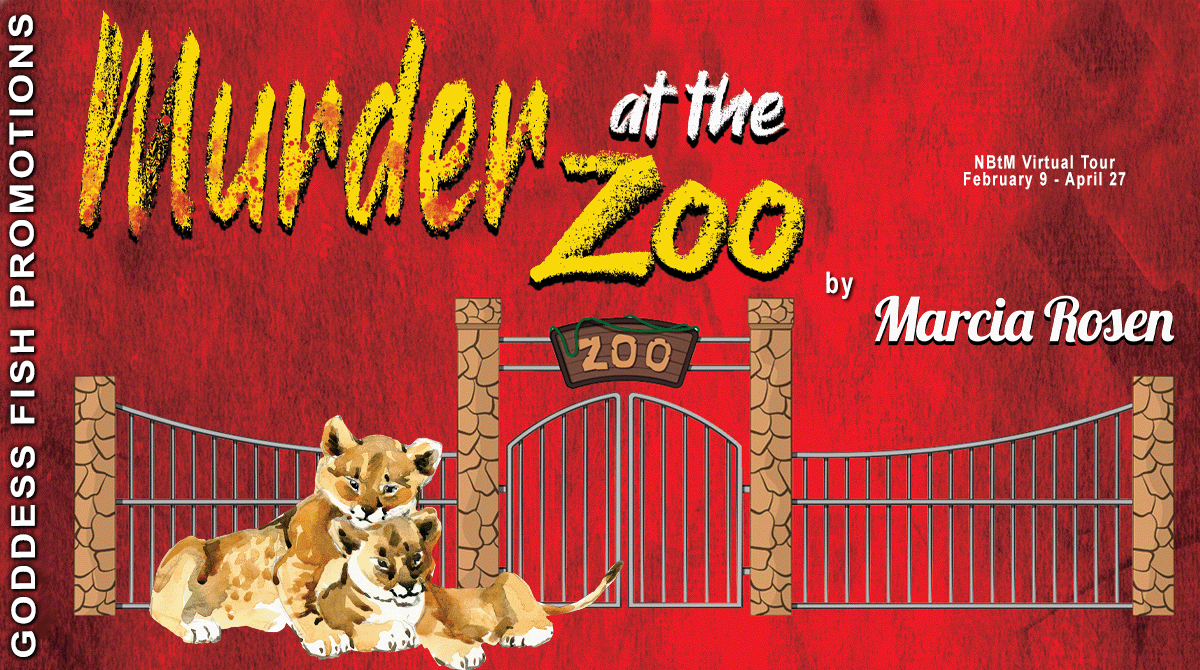
When she isn’t writing, Drema helps her legal-eagle boss to save the world one case at a time, pets her husband’s cats, watches the starlings mob her birdfeeders, or spends time in Nature, surrounded by flora and fauna.

Website | Nyveym Arts | Twitter | Instagram | Facebook

Buy the book at Amazon or read free on
Kindle Unlimited
.

a Rafflecopter giveaway

A Bold Third Act by Marcia Rosen – Guest Blog and Giveaway

This post is part of a virtual book tour organized by Goddess Fish Promotions. Marcia Rosen will be awarding a $25 Amazon/BN GC to a randomly drawn winner via rafflecopter during the tour. Click on the tour banner to see the other stops on the tour.

A BOLD THIRD ACT
NO! I do not want to retire because I’m a senior. Absolutely not!

More than ever, seniors are living full and engaging lives. More than 45 million Americans are over the age of 65 and millions of them still work— some by choice, some by necessity.

In what I consider my BOLD THIRD ACT, I’m writing mysteries. I’m bringing my passion for writing together with my rather unusual upbringing. In doing so, I am writing with more insight and purpose. As seniors, we can use our life experiences—whether failures, challenges or successes—to bring about enjoyable and productive lives filled with doing something we relate to and love. This is why the seniors in the mysteries I write are strong, smart and active main characters.

Mysteries and crime are in probably in my DNA. It never occurred to me my father and his friends were doing anything illegal. The environment I grew up with seemed perfectly natural to me. It’s what I saw everyday: My father was a bookie. He also owned a gambling hall where the men played pool in the front and poker in a private back room. My father and his partners would count the take from sports bets at our kitchen table. Once there was a raid on his partner’s apartment, which was right across from ours!

My father’s close friends had names like The Gig, Gimp and Doc. So, it makes sense that I’m fascinated by slightly shady characters, and crime and mystery stories. Once, I wrote a memoir story and referred to my mother as my father’s “gun moll.” Believe me, she was a character as well!

I’ve been a business owner for more than 40 years, which includes having a successful marketing and public relations agency for more than 20 years. I used to explain to clients that I was a “business detective,” finding solutions to problems that seemed a mystery to them. Of course, people and life in general are often a mystery.

My kids have encouraged me to, “Go for it!” They do not want me to slow down, sit around and dream of days past. They don’t want me to use age and going to doctors as a social outlet as so many elderly people do. They don’t even want me to have grey hair!

To those who do not agree: Sorry! I think I still have much to offer and enjoy. Positive aging is important to me, and writing is my way of showing it.

I used to tell friends that I was too old to see my dreams and ambitions to be a successful author come true. Yet, I refused to give up trying, and now my new mystery series The Gourmet Gangster: Mysteries and Menus has been published and more are on the way with my publisher, Level Best Books.

When I was doing consulting and public speaking, I’d often ask business and professional women to ask themselves: “What voices in your head do you need to eliminate? Get rid of the negative voices that say, ‘Who do you think you are?’ and ‘You can’t do it.’ ”

Now in my senior life, I’m reminded through conversations over a cup of coffee with my friends, my age and some younger, “We all matter.” What you want and who you are matters. We can make a difference at any age. Moreover, as we grow older, we can also share our experience, knowledge and, even at times, a good bit of wisdom.

In my mystery series The Senior Sleuths my senior characters represent my beliefs with energy and enthusiasm. These characters are my voice and reflect my truths.

A body is tossed into the lion’s habitat at the zoo where Miranda Scott is the senior vet. She and Detective Bryan Anderson join forces to unravel that mystery and several more murders. A fan since childhood of Agatha Christie, Raymond Chandler, and Sherlock Holmes they seem to live in her head frequently telling her what to do…and not do. Murders, family, deceit, revenge and a gangster father and godfather often get in the way of a fine romance between Miranda and the Detective.

Enjoy an Excerpt

“Miranda, get to the zoo! Visitors are pointing at a human arm in the lions’ enclosure.”

“Hmmm. This is intriguing. A body in the lions’ den. What are the facts?”

“Agatha, Raymond, facts if you please,” Sherlock demanded.

“All of you shut up!”

It was not the first time Miranda shouted to the voices in her head. Sometimes they seemed so real to her. She had read nearly every book of every famous mystery writer and had seen movies made from them many times. She was often absorbed and obsessed by the stories and the characters.

Miranda loved their ways of thinking, analyzing problems, finding solutions, and delving into the dark spaces hidden in humanity: Raymond Chandler’s tough Detective, Philip Marlowe, who always found a dame he could lust after and distrust and Agatha Christie’s Hercule Poirot, Miss Marple, and her Tommy and Tuppence. Their gossip and ways of finding clues and uncovering secrets swirled in her head, while the famous Sherlock Homes demanded facts and attention to the tiniest of details.

There were other geniuses of mysteries who stopped by to give Miranda their “two cents” at times, especially when Agatha, Raymond, and Sherlock were disagreeing with each other. Miranda was sure they would have plenty to say about the murder at the zoo.

About the AuthorMarcia Rosen (aka M. Glenda Rosen), award winning author of eleven books including The Senior Sleuths and Dying To Be Beautiful Mystery Series and The Gourmet Gangster: Mysteries and Menus (Menus by her son Jory Rosen). She is also author of The Woman’s Business Therapist and award winning My Memoir Workbook. For 25 years she was owner of a successful national marketing and public relations agency, Marcia has frequently been a speaker and/or program moderator at organization meetings and conferences, bookstores, libraries and Zoom Programs. Topics she has taught and presented over the past twenty years include: Encouraging the Writer Within You, Marketing for Authors, Writing Mysteries…Not A Mystery, Writing Your Memoir and recently “Anatomy of Writing A Murder.” Many articles on these topics have been published on mystery reader blogs and in newsletters and magazines including “Mystery Scene Magazine” and “Mystery Reader International Journal.”

She is a member of Sisters in Crime National and New Mexico (Croak & Dagger), Southwest Writers, New Mexico Book Association, Women Writing the West, Public Safety Writer’s Association, and National Association of Independent Writers and Editors—for which she is also a board member.

“Marcia Rosen’s new book is hard to put down! The characters are engaging and you enjoy getting to know them as you read this mystery. I enjoyed discovering the world and people in Murder at the Zoo and can’t wait to read more from this author!”

Website
Buy the book at Amazon.

a Rafflecopter giveaway